




























































Yes, your rabbit may eat soft droppings called cecotropes, and no, that does not mean something is wrong. It looks strange to us, but for rabbits, guinea pigs, and chinchillas, this is part of how digestion works. They are not usually eating the dry, round pellets you clean out of the litter box. They are eating nutrient-rich cecotropes their body made for a second pass.
You are not crazy for being grossed out. Most of the time your rabbit is fine. Call a rabbit-savvy vet if you start finding piles of uneaten, mushy cecotropes in the cage, if the bottom stays dirty, or if appetite and droppings change at the same time—less eating, odd stools, hunched and quiet. That is when you worry about diet, pain, stress, or a gut that has slowed down—not about manners.

Do Rabbits Eat Their Own Poop?
They eat a specific kind—the soft ones. Hard litter box pellets are waste. Cecotropes are the second helping.
Most rabbits handle cecotropes when the house is quiet—often late at night, early in the morning, or whenever you are not standing there judging them. A quick lick at the hind end, and it is gone. Plenty of owners never catch it in the act.
When everything is working, you usually will not see much. Your rabbit handles the whole thing before you have time to be horrified. If you suddenly see clusters of shiny, smelly droppings sitting uneaten in the pen, pay attention. That can mean the rabbit is making cecotropes but not finishing the job—sometimes because of sore teeth, extra weight, arthritis, stress, or a diet that is heavy on treats and light on hay.
What Are Cecotropes?
Cecotropes are soft, nutrient-dense droppings formed in the cecum—the big fermentation pouch in a rabbit’s hindgut. Fiber goes in, microbes work on it, and the body packages some of that material into cecotropes so the rabbit can eat them again and pull out more protein and vitamins.
The technical word is coprophagy, but the plain-English version is simpler: your rabbit is finishing digestion. It looks alarming to humans. To a rabbit, it is just part of the system.
Cecotropes vs. Normal Rabbit Poop
Two types, two jobs:
Fecal pellets: Firm, dry, round—the stuff you sweep out of the box. Rabbits do not re-eat these.
Cecotropes: Softer, shinier, often bunched like tiny grapes, stronger smell. Meant to be swallowed, usually straight from the source.
Guinea pigs and chinchillas follow the same general idea with species-specific details. Soft = meant to be used again. Hard = done.
For a straight breakdown from a trusted rescue source, see the House Rabbit Society overview of cecotropes.
Why Rabbits Need to Eat Cecotropes
Rabbits are built to run on fiber, not to waste calories. Cecotrophy is how they squeeze more nutrition out of hay and greens without a second stomach like a cow.
Think of it less like “eating poop” and more like completing digestion—same general idea as a cow chewing cud, but sized for a small prey animal that cannot afford to throw food away. Dogs raid litter boxes for different reasons entirely. Your rabbit is doing bookkeeping.
Timothy hay and other grass hays keep the gut moving and the teeth doing their job. Pellets and greens have a place, but hay is the engine. Everything else is riding behind it. Skimp on hay and you are more likely to see soft stool trouble, dental issues, or a sluggish gut—not because cecotropes are “gross,” but because the whole system runs on fiber.
For how much hay to put out and what diet trouble looks like early, read our rabbit hay feeding guide or why hay comes first for rabbits. For behavior shifts that sometimes show up alongside gut changes, our guide to understanding rabbit behavior is a useful companion.
Should You Stop Your Rabbit From Eating Cecotropes?
Do not try to stop it. Your rabbit is not misbehaving. Blocking cecotrophy can take away nutrients your rabbit is supposed to get and can throw off the gut.
You do not need to coach them through it either. A healthy rabbit with hay, water, space, and a calm routine will do the work on their own.
Practical checklist:
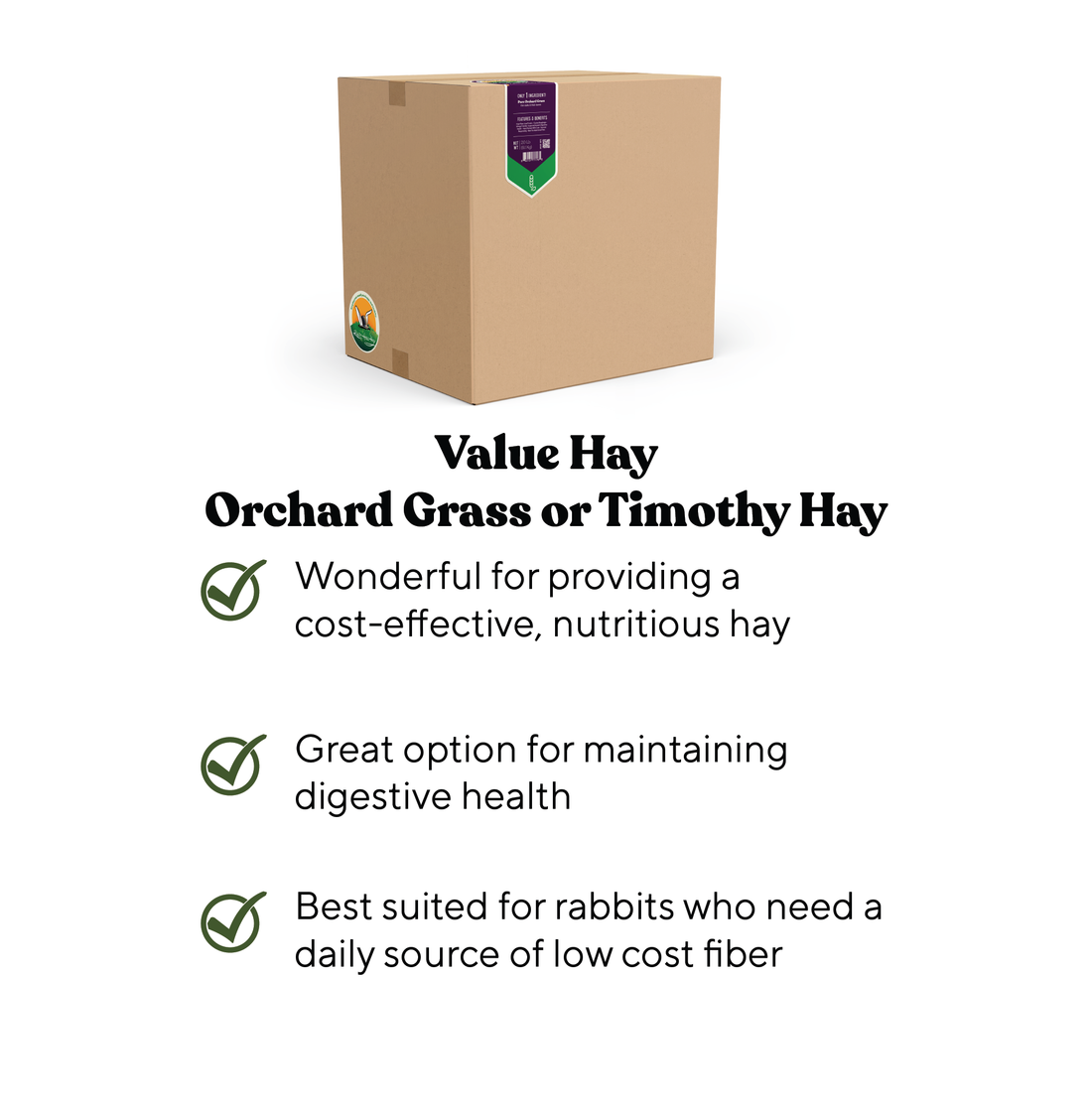
Unlimited grass hay—Timothy, orchard, or a blend that fits your rabbit.
Pellets measured to age and weight, not piled up instead of hay.
Fresh water, always.
Enough room and quiet time to eat cecotropes without an audience.
Rabbits graze day and night. Feeding like a dog—twice a day, bowl empty in between—is a common mismatch. The litter box and the hay pile tell you more than most apps will.
When Uneaten Cecotropes Are a Problem
Watch for:
Mats of soft stool stuck to fur around the tail.
Handfuls of uneaten cecotropes left in the habitat.
Smaller, odd, or missing fecal pellets plus low appetite.
Hunched, quiet, not eating normally—possible GI slowdown or other urgent health issues.
If the bottom is messy but your vet has not told you to rush in, our steps to clean a rabbit with a poopy butt walk through a low-stress spot clean.
Bring photos of the droppings to the appointment if things changed after a new food, treat binge, or stressful week. Note whether you are seeing normal hard pellets, cecotropes, or both.
What About Guinea Pigs and Chinchillas?
Guinea pigs practice cecotrophy too—owners sometimes spot soft droppings and panic. Chinchillas do as well. Same headline: soft re-ingested droppings are usually part of health, not naughtiness.
Diet ratios differ by species; this piece focuses on rabbits because that is what most people are searching. The worry you feel is the same across species. The answer usually is too.
Key Takeaways
Soft cecotropes are normal; dry litter box pellets are not what you are catching them eat.
Keep unlimited hay, water, and calm access—do not try to stop the licking.
Uneaten mush, a constantly dirty bottom, or appetite plus stool changes mean call the vet.
If you are still building your rabbit’s routine, start with the boring stuff that works: unlimited hay, clean water, a calm setup, and knowing what normal droppings look like before something changes. When you want a shortcut on hay-first basics, our rabbit starter kit is a fine place to land—including for the habits that happen at 5 a.m. while you are still asleep.





Comments