










































The rabbit food myths worth dropping first: unlimited grass hay—not pellets, not carrots—should make up most of the diet; rabbits do not need a rotating buffet to stay interested; iceberg lettuce and daily carrots are treats or mistakes, not staples; and pellets are a small supplement, not the main course. If you have been feeding the way pet-store cartoons suggest, you are not alone—and your bun is probably still fixable with a simpler rack.
These four myths trip up even careful owners—and they overlap with healthy-seeming foods that need a limit, not a free pass. For the hay-first baseline, see our guide to keeping your rabbit healthy with hay.

Do Rabbits Need a Constantly Changing Menu?
No. A lot of owners assume buns get bored without a new food every day—they picture themselves at a salad bar. A rabbit gut wants steady fiber, not surprise.
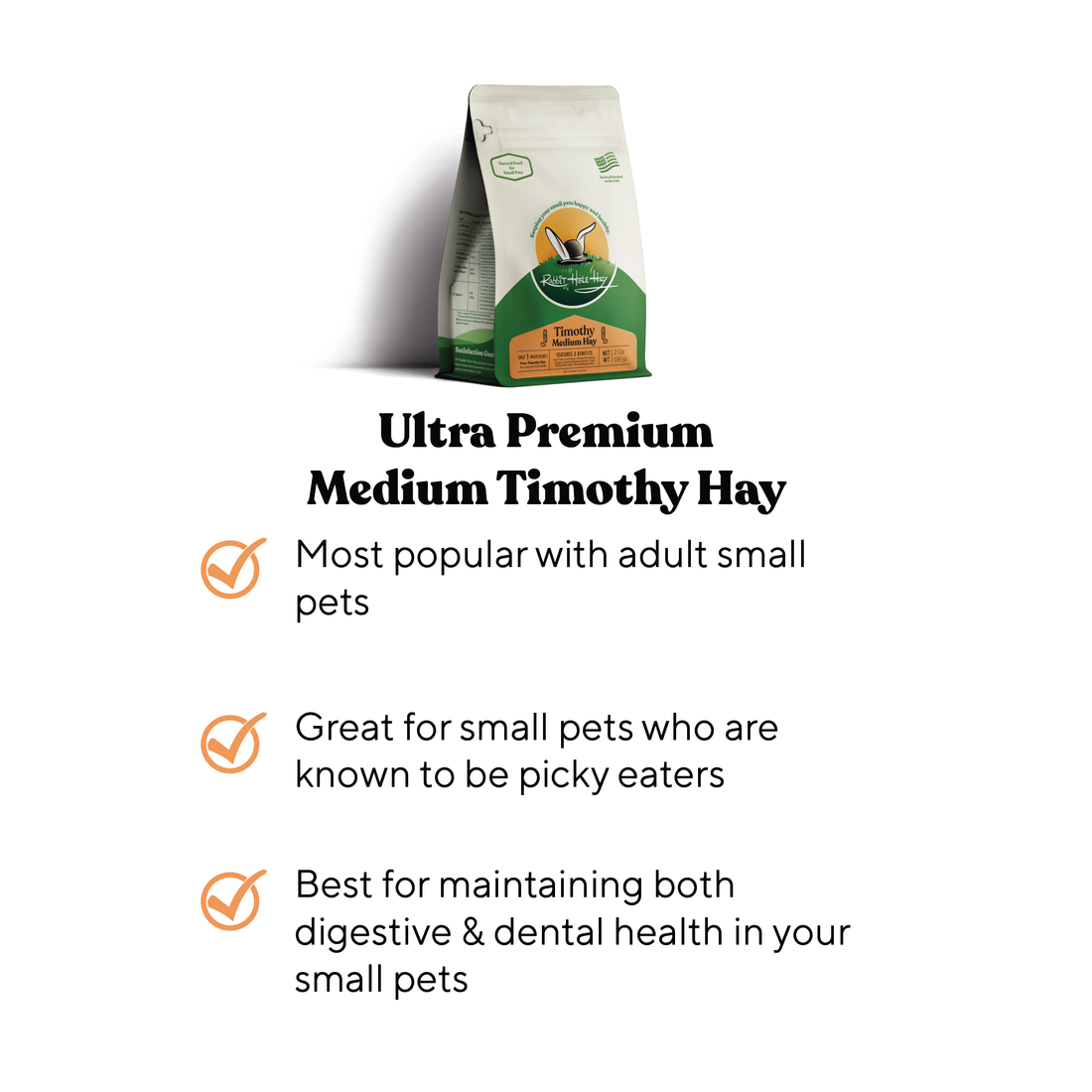
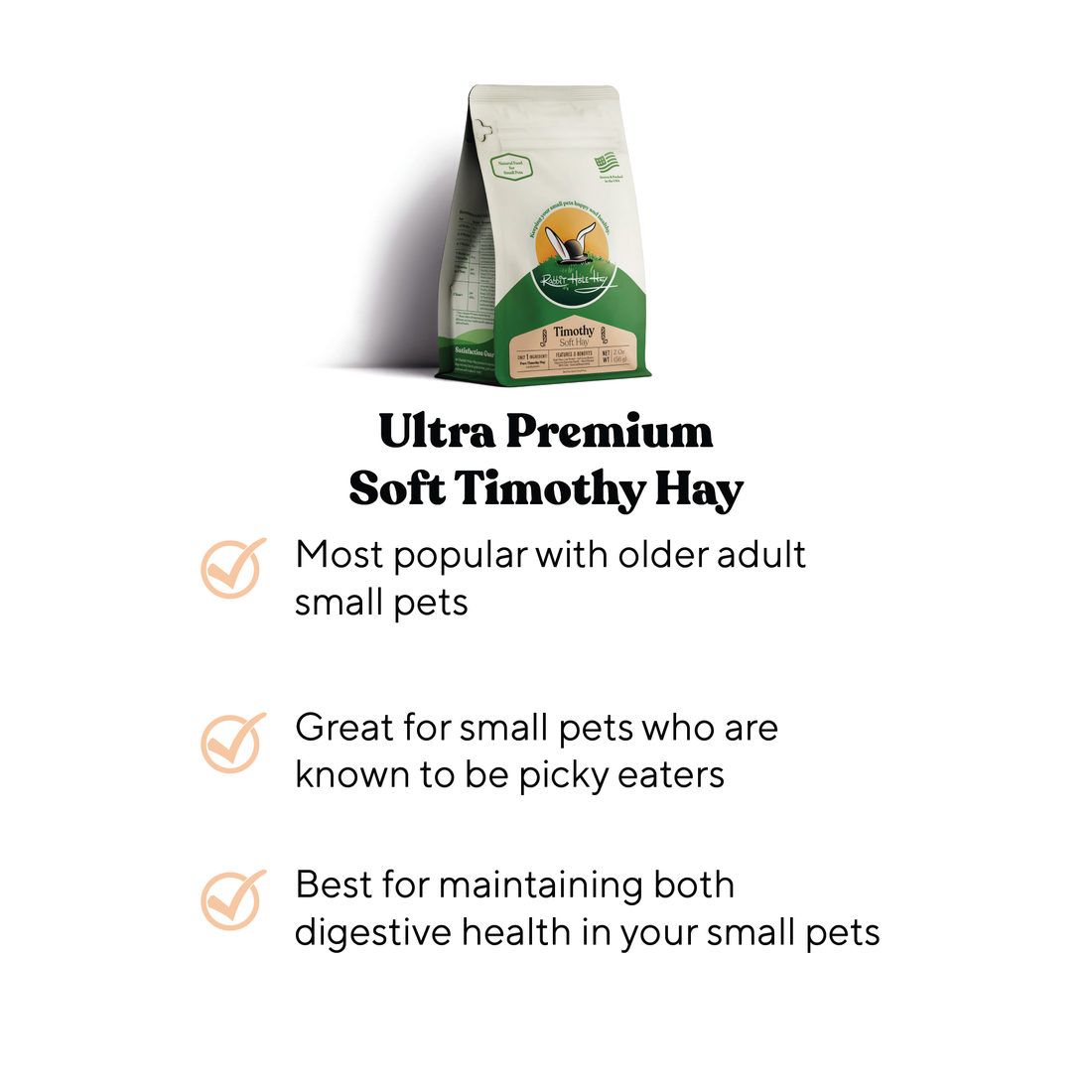
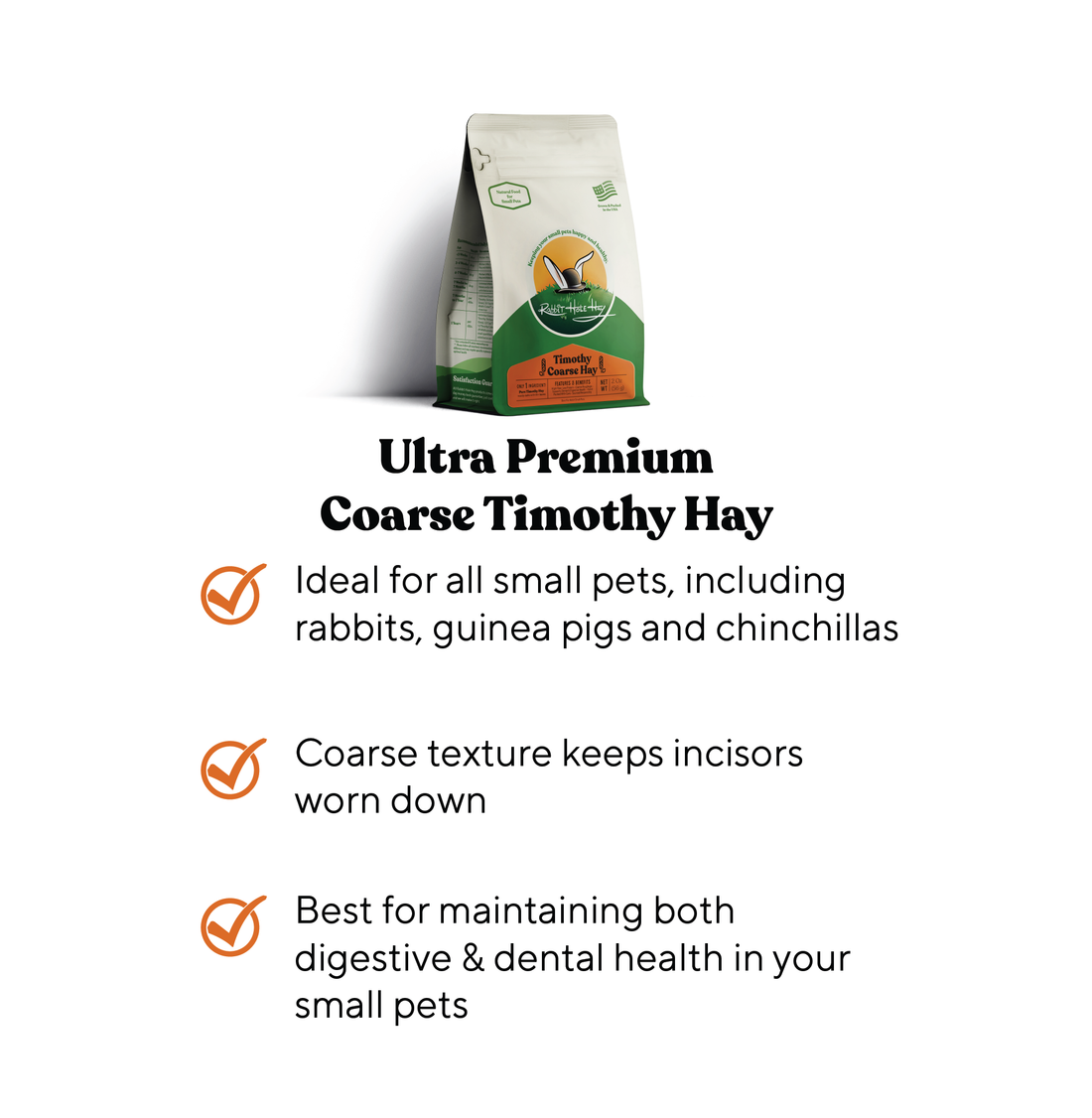
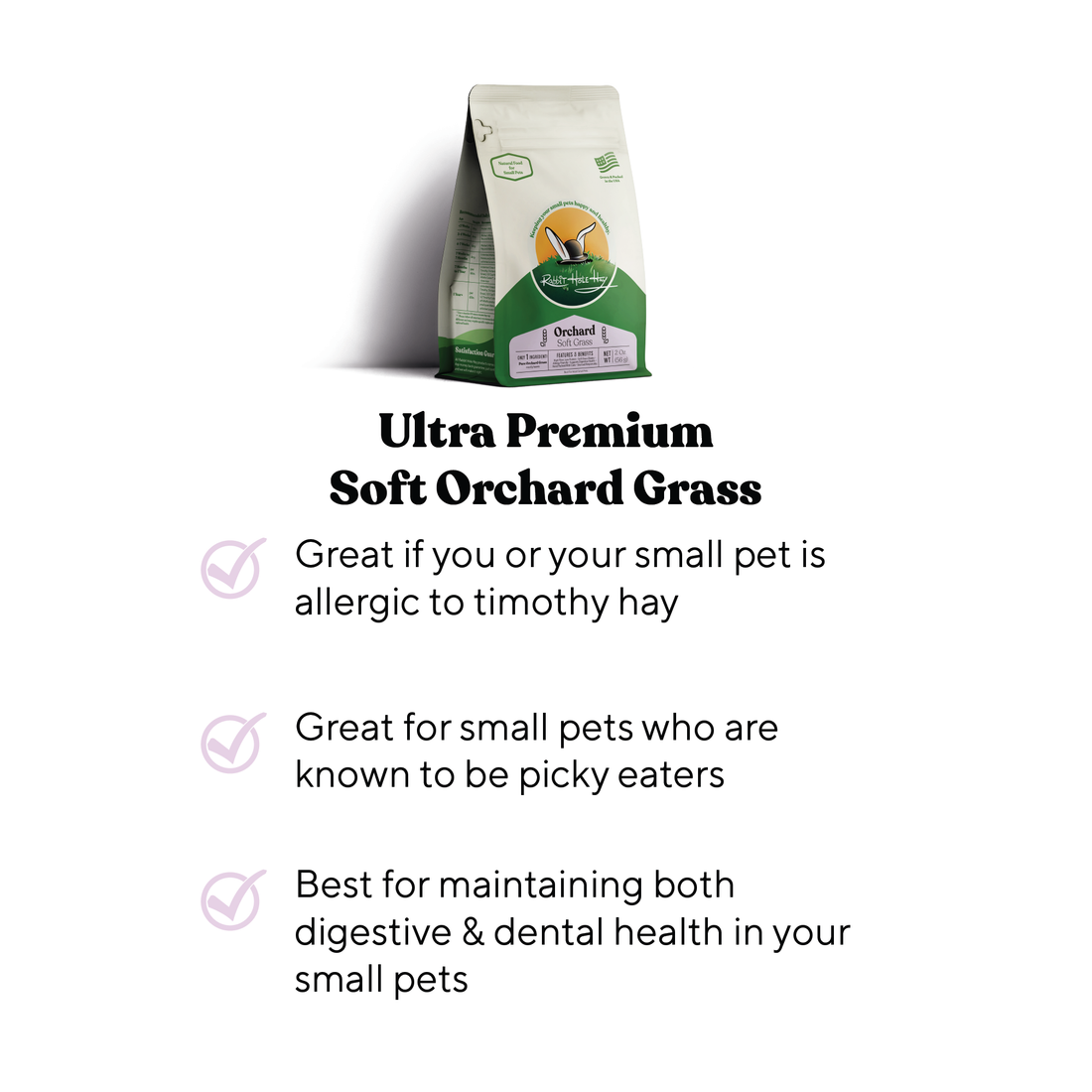
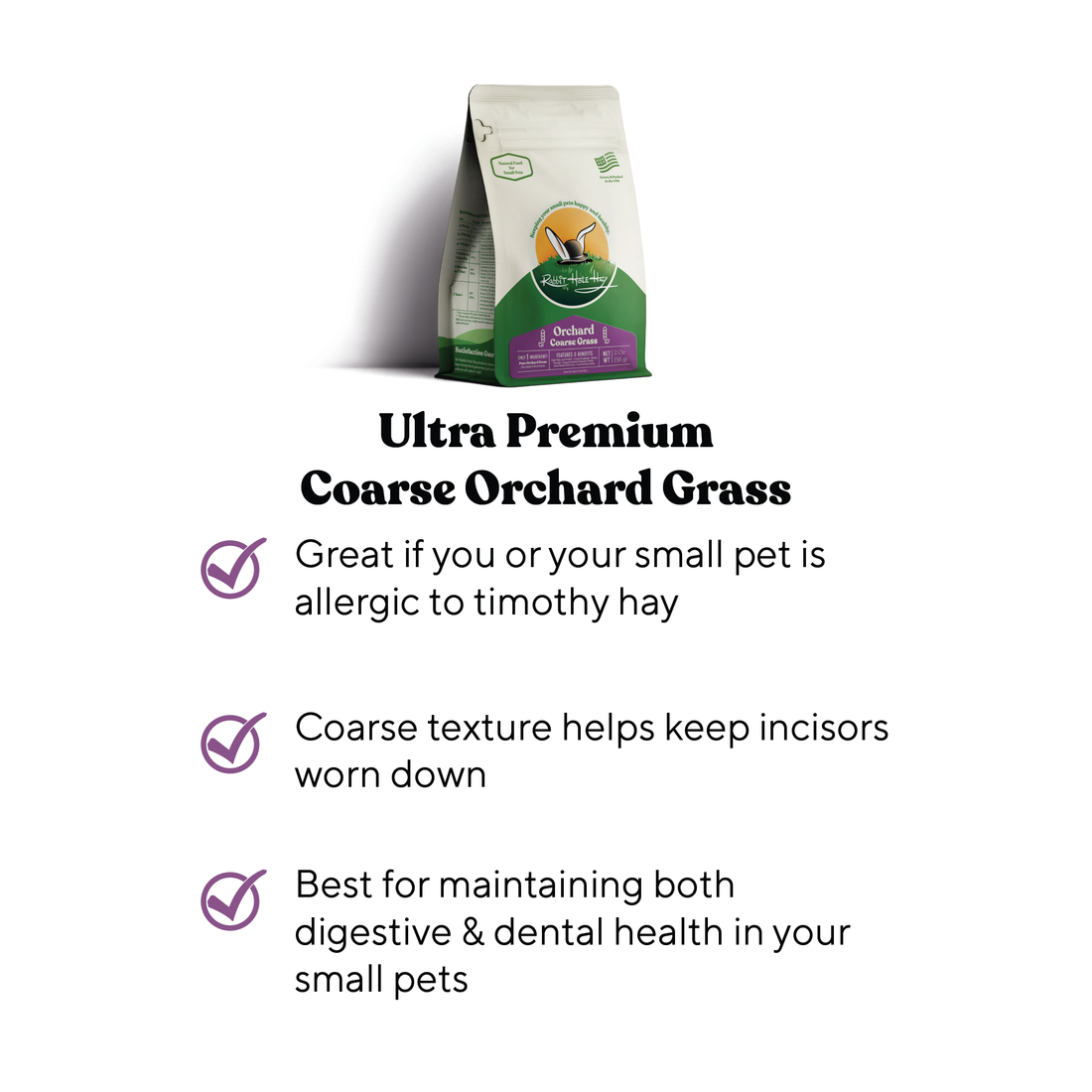
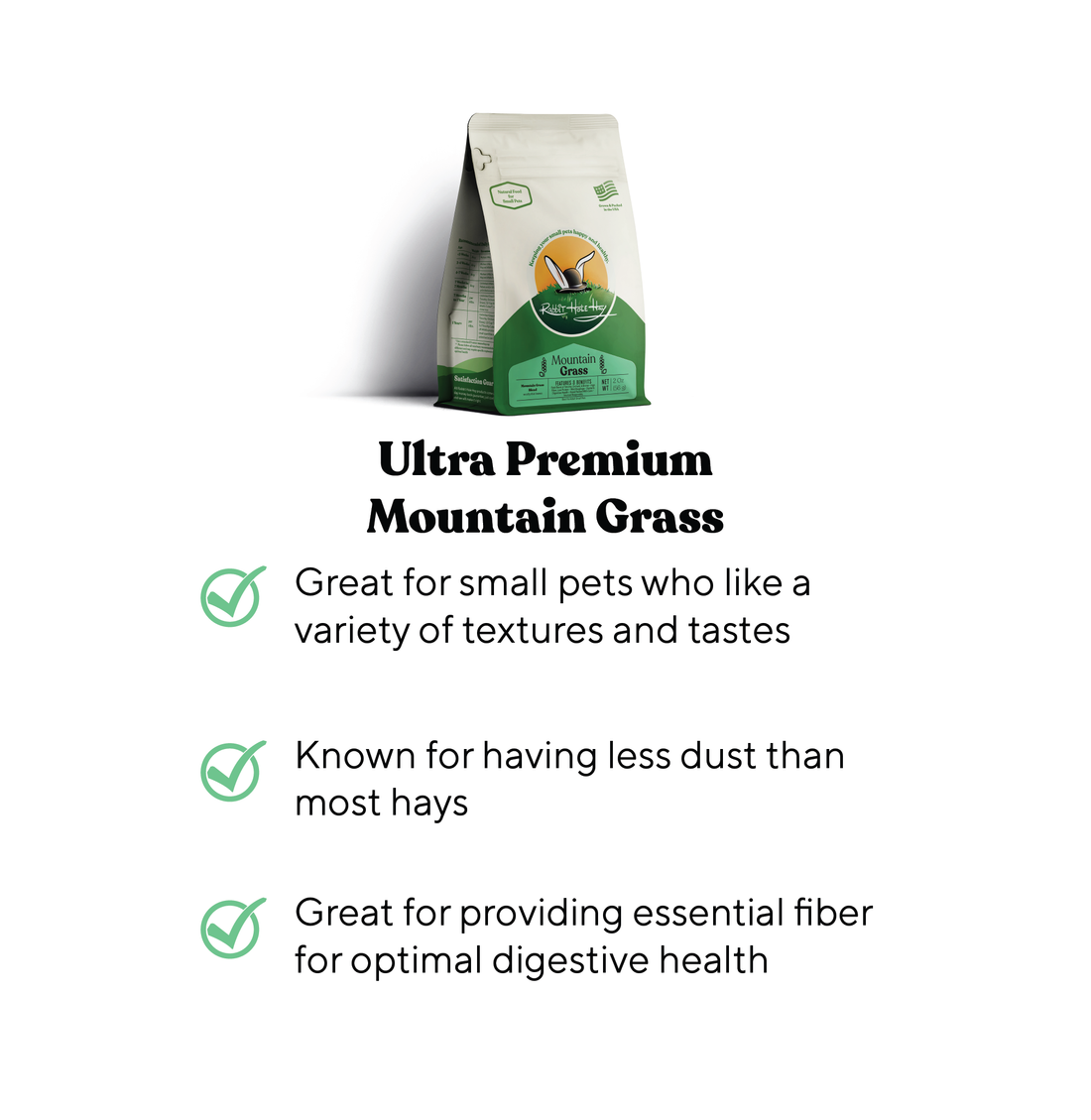
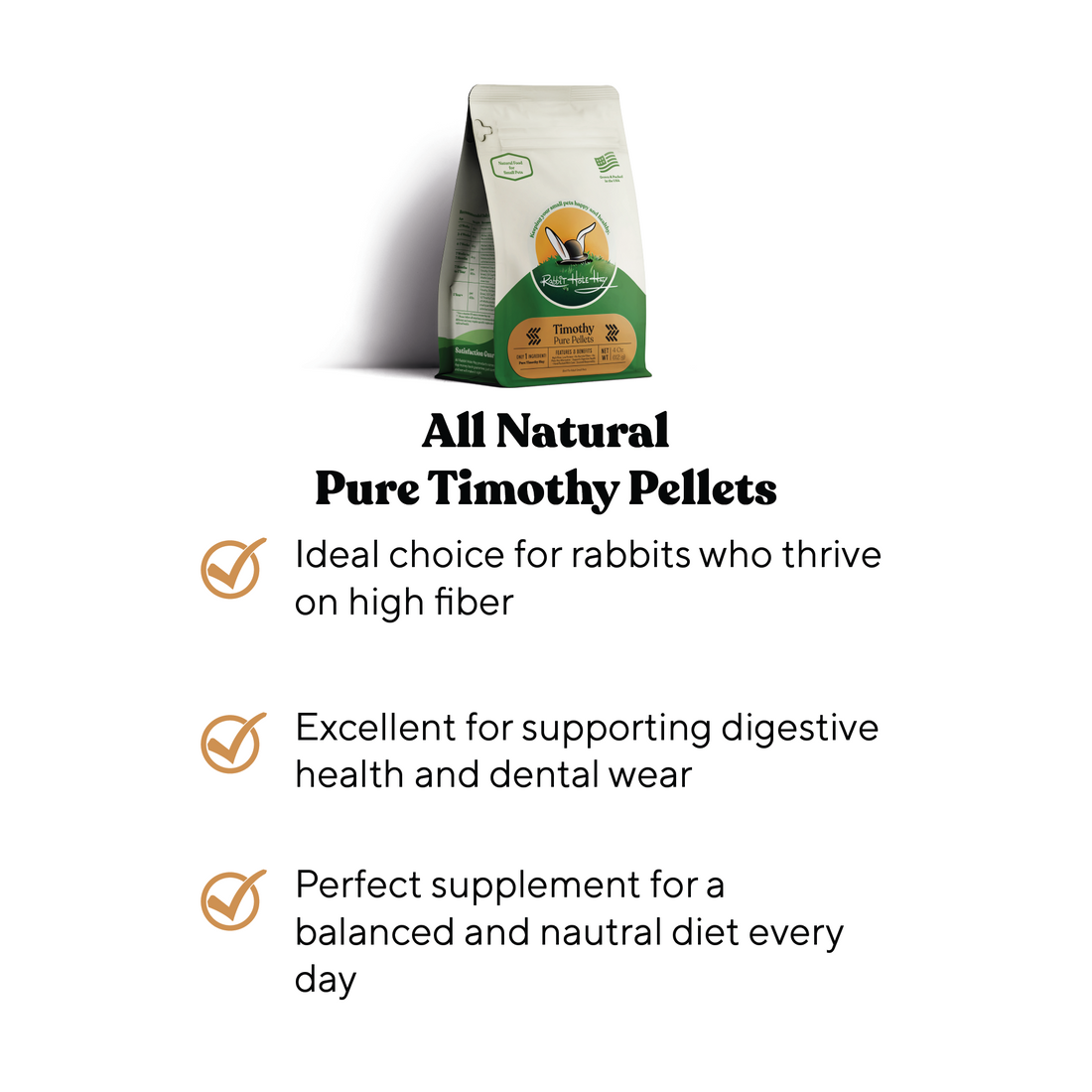
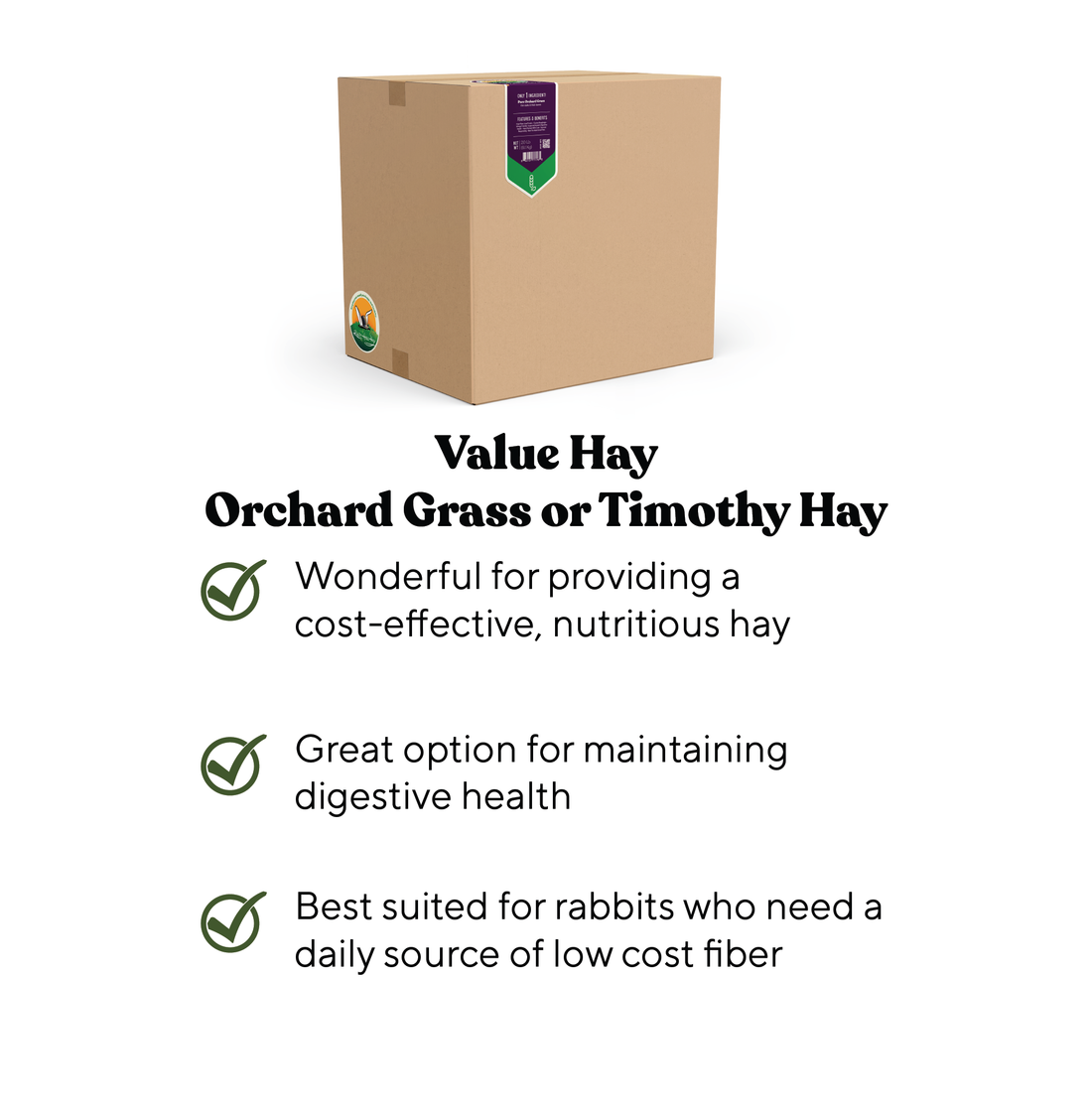
At least 80% of the diet should be high-quality grass hay such as timothy or orchard grass. A full rack, refreshed daily, keeps digestion moving and teeth worn down. Leafy greens and the occasional treat are fine, but swapping the whole lineup every few days can upset a sensitive stomach. Boring hay pile? That is a compliment in rabbit world.

When you restock, fresh hay delivered to your door beats a last-minute pet-store bag that has been sitting on the shelf.
Is Lettuce the Ideal Food for Rabbits?
Not all lettuce is created equal—and some types should stay out of the bowl. Dark leafy greens like romaine can complement hay in moderation. Iceberg lettuce is mostly water with little fiber and contains lactucarium, which can loosen stools and upset digestion.
Stick to nutrient-dense greens such as parsley, cilantro, or kale in measured amounts, and introduce any new vegetable slowly so you can spot soft droppings early. Greens ride behind hay—they never replace it. For portion ideas on safe produce, our bunny food list breaks down fruits, vegetables, and herbs.
House Rabbit Society guidance on vegetables is a solid cross-check when you are unsure about a new green.
Should Carrots Be a Staple in My Rabbit's Diet?
Blame the cartoons. Carrots are sugary root vegetables—fine as a small treat, terrible as a daily staple. Too much carrot can nudge weight up and stress teeth that were built for grinding hay, not crunching sugar sticks.
If your rabbit loves them, offer a thin slice now and then. Carrot tops are the better choice: more leaf, less sugar, closer to what wild rabbits nibble. Keep the bulk of fresh food as leafy greens, with hay still doing the heavy lifting.
Are Pellets Enough to Feed My Rabbit?
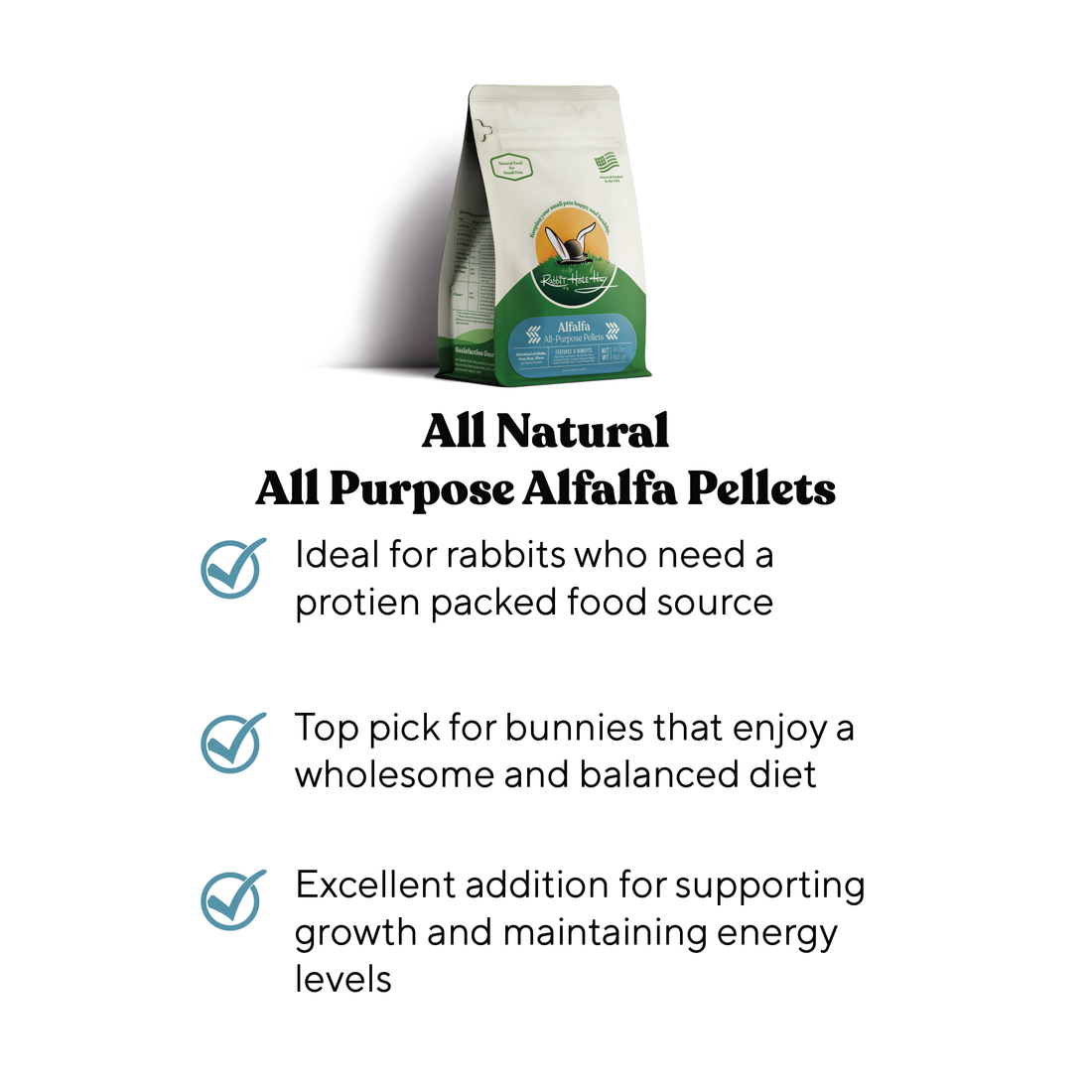
Pellet bags often shout "complete and balanced," which makes owners think a scoop replaces hay. It does not. Many commercial pellets are calorie-dense and low in the long fiber rabbits need to stay healthy.
Think of pellets as a measured supplement—roughly a small handful for an average adult, depending on weight and vet advice—not the main event. House Rabbit Society diet basics put unlimited grass hay first for a reason: everything else, including pellets, rides behind it.
Which Healthy-Seeming Foods Should I Limit?
Some foods look wholesome but pile up fast: starchy pellets, sweet carrots, watery iceberg, and fruit masquerading as a meal. Even calcium-heavy greens like kale can cause trouble in large daily servings.
Our article on foods you should not give your rabbit too much of goes deeper on portions and warning signs. The short version: if it is not hay, measure it.
What Should a Rabbit's Diet Actually Look Like?
Hay is the engine. Fill the rack, add a cup of varied leafy greens, keep pellets small, and save carrots and fruit for special occasions. Your rabbit does not need a chef's tasting menu—they need the same reliable fiber every day.
Download our free Hay Is for Rabbits guide for hay types, portions, and setup tips that match how rabbits actually eat.




Comments