














































Rabbit shedding care might not be the first thing you think about when you bring home your new fluffy friend. But give it a few months, and you'll find yourself surrounded by clouds of fur and wondering, "Is this normal?"
Click Here For a Beginners Guide to Rabbit Care.

Shedding, or molting, is completely natural for rabbits. Still, when it starts happening in earnest, it can feel a little overwhelming—for you and your bun. Some rabbits shed like a dream. Others seem to explode in patches. Either way, there are a few tricks that can help make the process smoother, cleaner, and more comfortable for your rabbit.
This guide dives into the whys and hows of rabbit shedding care. Whether you're dealing with a mild molt or a full-blown fur storm, we've got tips to get you—and your rabbit—through it.
The General Molting Process
Rabbits typically molt a few times each year. Wild rabbits start shedding as early as five months old when they ditch their baby coat for a transitional one. Their adult coat comes in not long after, and the seasonal shedding cycles begin.
Molting often follows a pattern, starting with the head and working its way down the neck, back, sides, and belly. The hindquarters are usually last. But—and this is key—not every rabbit follows the rulebook. Some rabbits shed randomly, with patches of fur disappearing all over their bodies at once. You might even notice a "tide line" where new and old fur meets in a dramatic color or texture difference.
This is all normal. Knowing what to expect helps you keep tabs on your rabbit's health and coat condition as the seasons change.
Types of Molting and Why It Happens
Not all molts are created equal. Here's a quick breakdown of what might trigger your rabbit to shed:
Juvenile Molt
This first major shed happens around 4–6 months old. It's intense and marks the shift from baby fluff to adult fur. Your rabbit may look a bit scruffy during this time, but it's a healthy, necessary transition.
Seasonal Molt
Like their wild cousins, domestic rabbits shed their fur to adapt to changing temperatures. That thick winter coat has to go when spring hits. Even if your home has central air and heat, their instincts stick around, and they'll likely molt anyway.
Stress-Triggered Molt
Changes to your rabbit's environment, such as a new pet, travel, or rearranging furniture, can also bring on a shed. Some rabbits are sensitive, and stress can prompt a quick molt. Stable routines and quiet spaces help minimize these stress responses.
Signs Your Rabbit is Molting
While you can expect a little loose fur year-round, a serious molt comes with tell-tale signs:
More Fur Than Usual: Tufts of hair around their enclosure or on your clothes after handling them.
Patchy Coat: Bald spots can appear during heavy molts. As long as the skin looks healthy and new fur grows in, there's no cause for alarm.
Coat Changes: The new fur might be softer, thicker, or even a slightly different color than what came before.
-
Shifts in Mood: Some rabbits get cranky or seem tired during molts. That's normal. It's a lot of work growing new fur.

Rabbit Shedding Care: Helping Your Bunny Stay Comfortable
Molting is natural, but that doesn't mean it's always easy—especially for long-haired breeds. Here's how to stay on top of rabbit shedding care while keeping things stress-free:
1. Brush—Then Brush Again
Regular grooming is the single best way to manage molting. Brushing loosens up dead fur and keeps mats from forming. It also reduces how much fur your rabbit might accidentally ingest while grooming themselves. A soft-bristled brush or grooming glove works well for short-haired rabbits. For long-haired or heavy shedders, a fine-toothed comb or shedding rake can make a big difference.
If your rabbit is already used to being handled, grooming will go more smoothly. If not, take it slow and make brushing part of your bonding routine.
2. Stay Hydrated
Good hydration supports digestion, which matters more than you might think during shedding season. Rabbits swallow a lot of fur when they groom themselves. If their digestive system isn't moving as it should, that fur can clump up into blockages (also called trichobezoars), which can be dangerous.
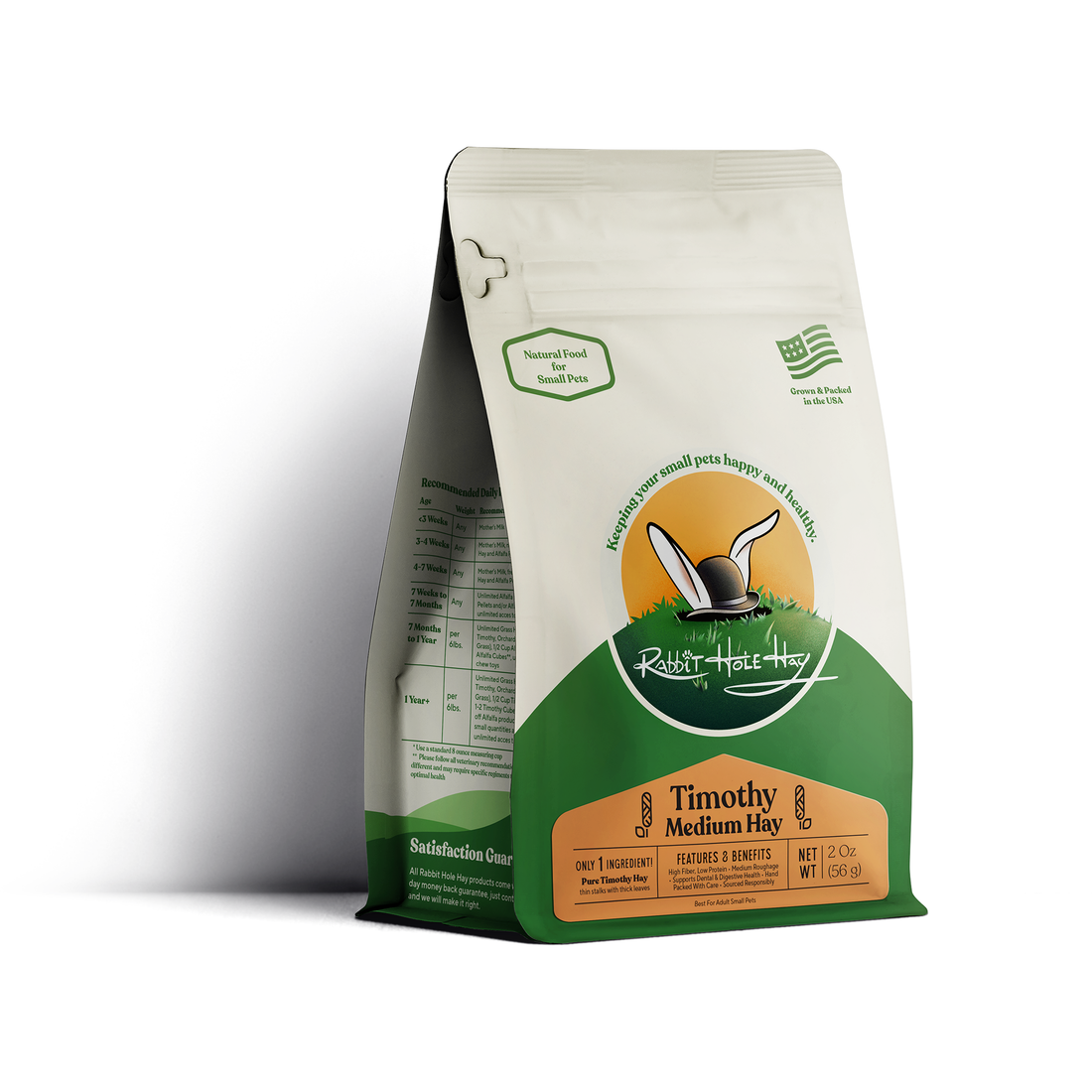
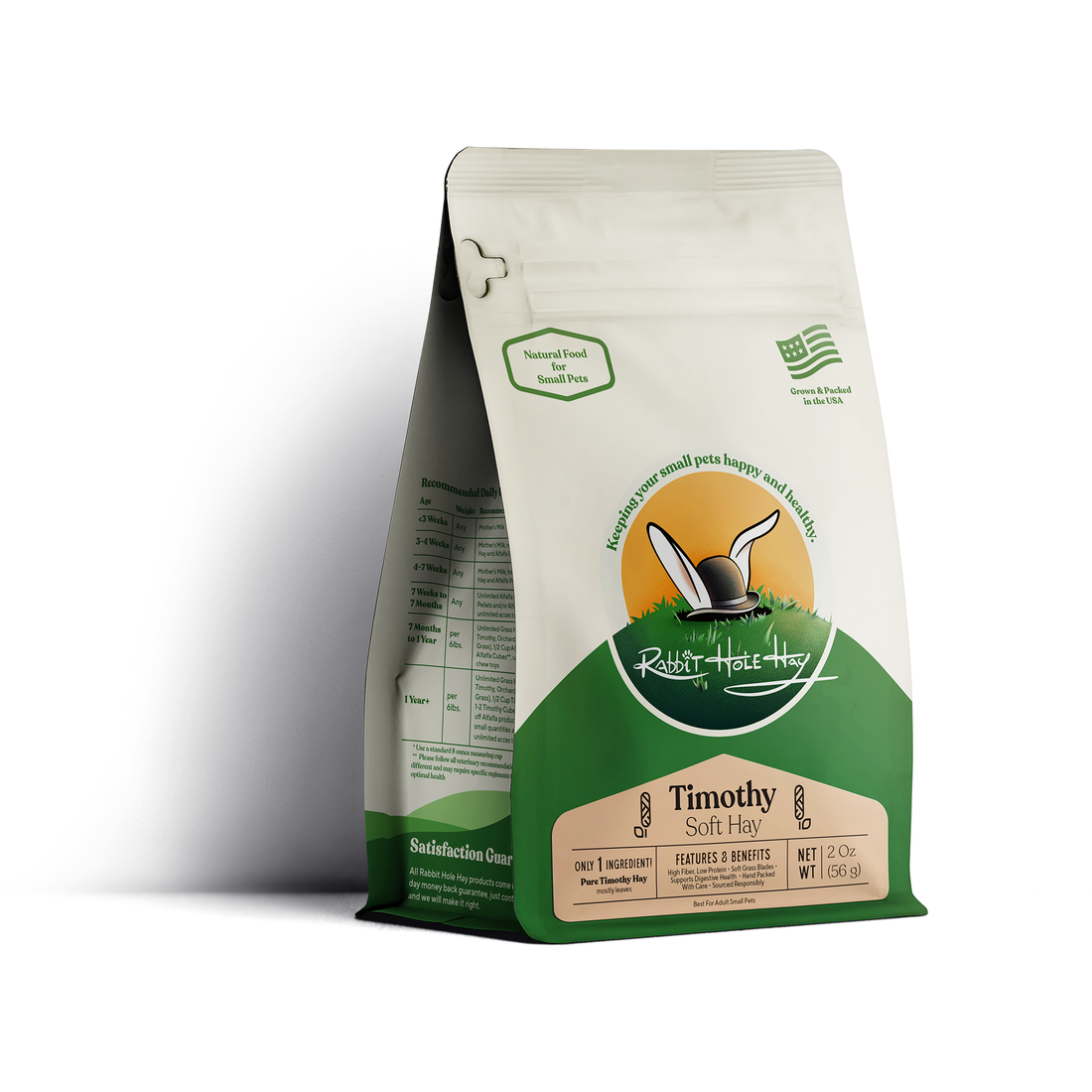
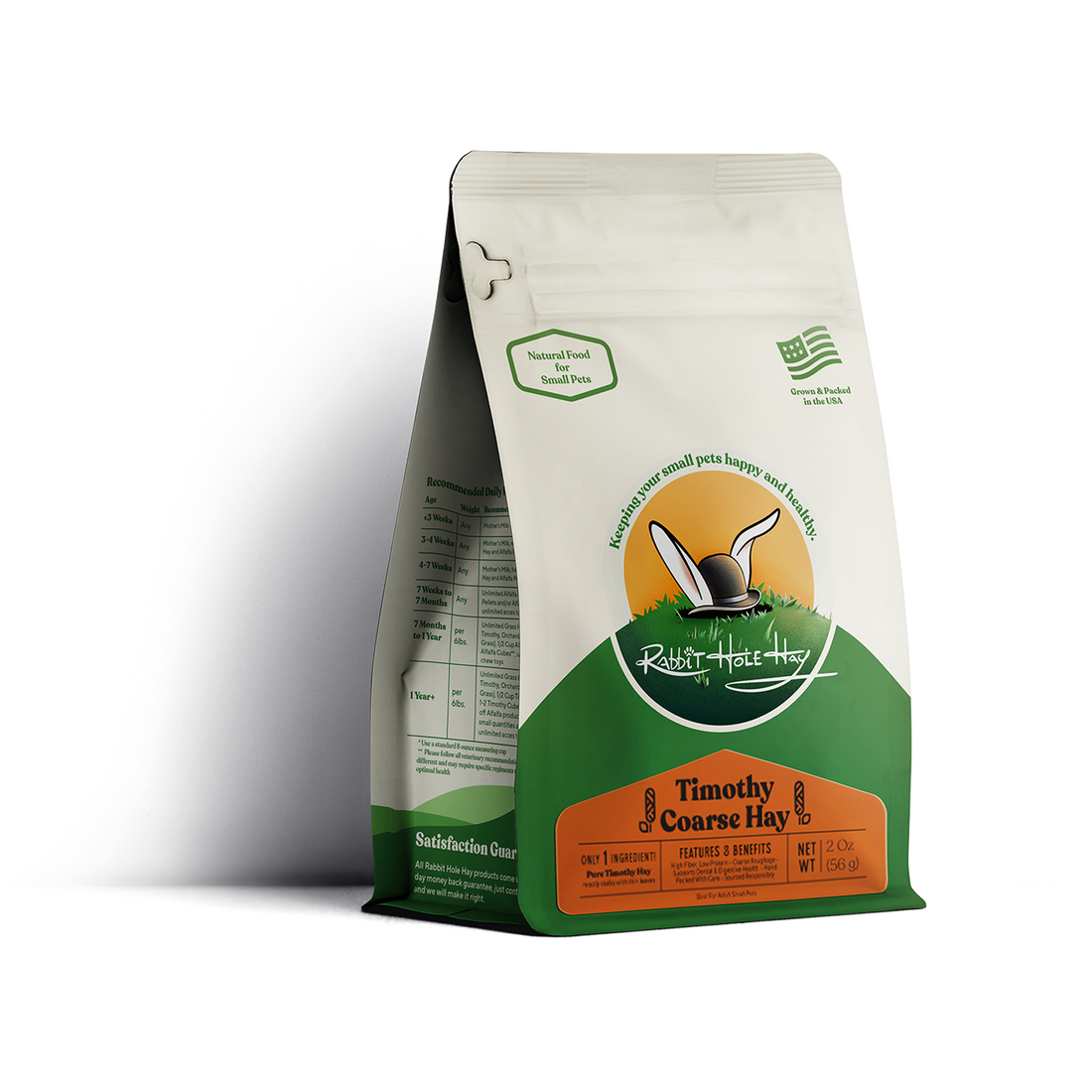
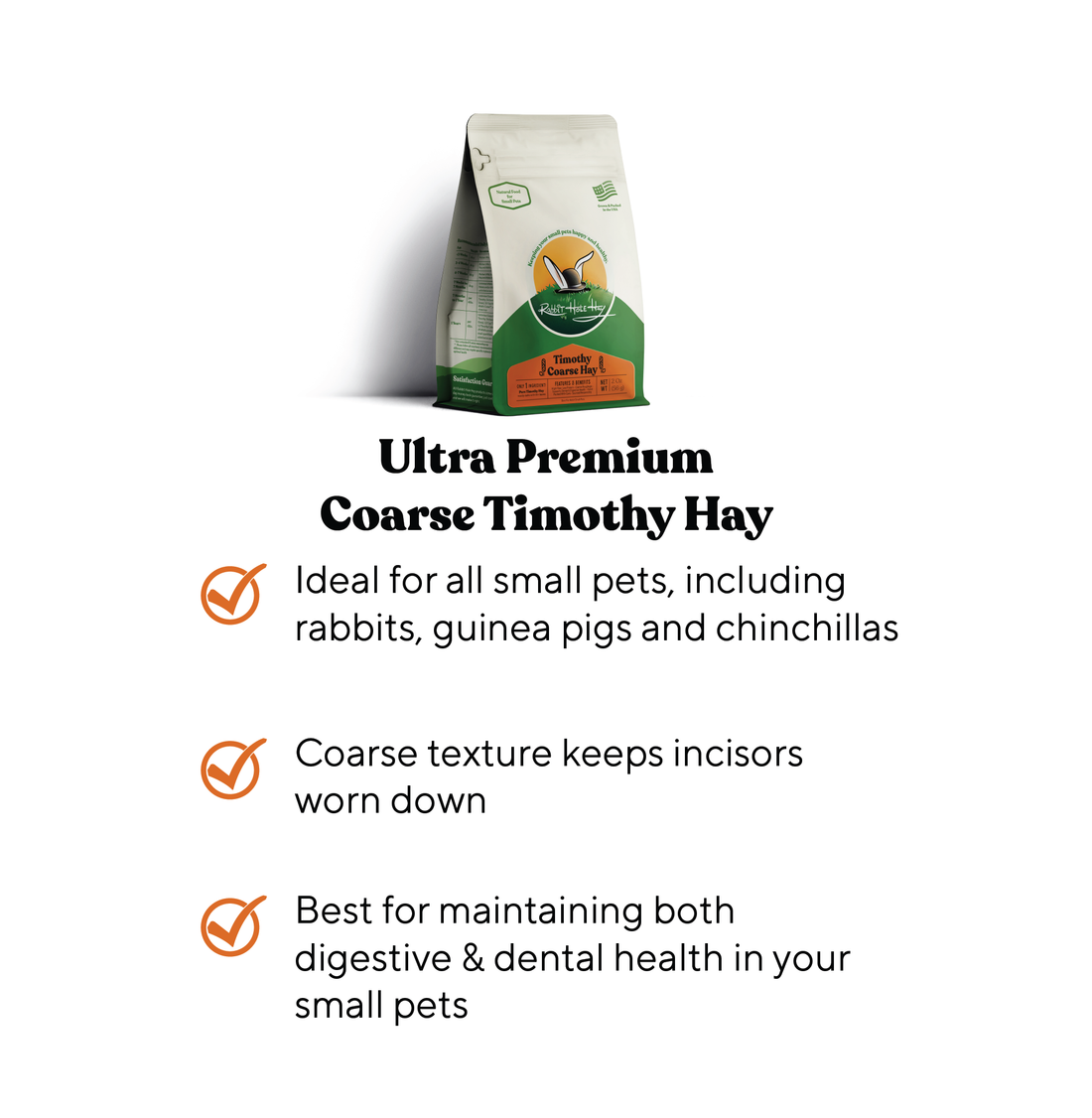
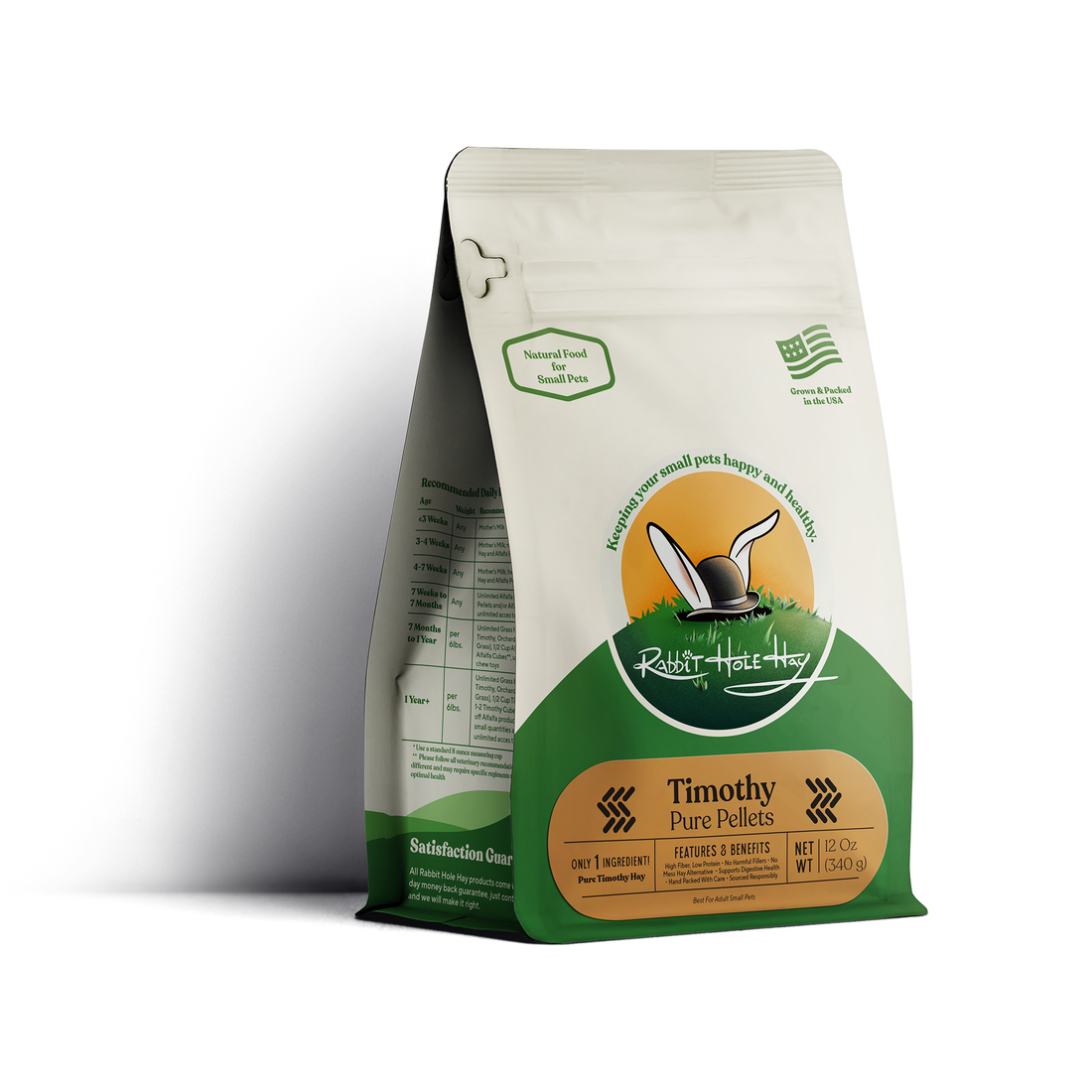
Plenty of fresh water, high-fiber hay, and leafy greens all help keep things moving. Learn more about the best hay options in this post about Timothy hay.
3. Watch for Digestive Changes
If your rabbit is shedding heavily and stops eating or pooping, call your vet. This could be a sign of a blockage. Healthy rabbits should continue to eat, poop, and act like themselves even during a molt. Keep an eye out for fewer droppings or droppings strung together by fur. Those are early warning signs.
4. Maintain a Clean Living Space
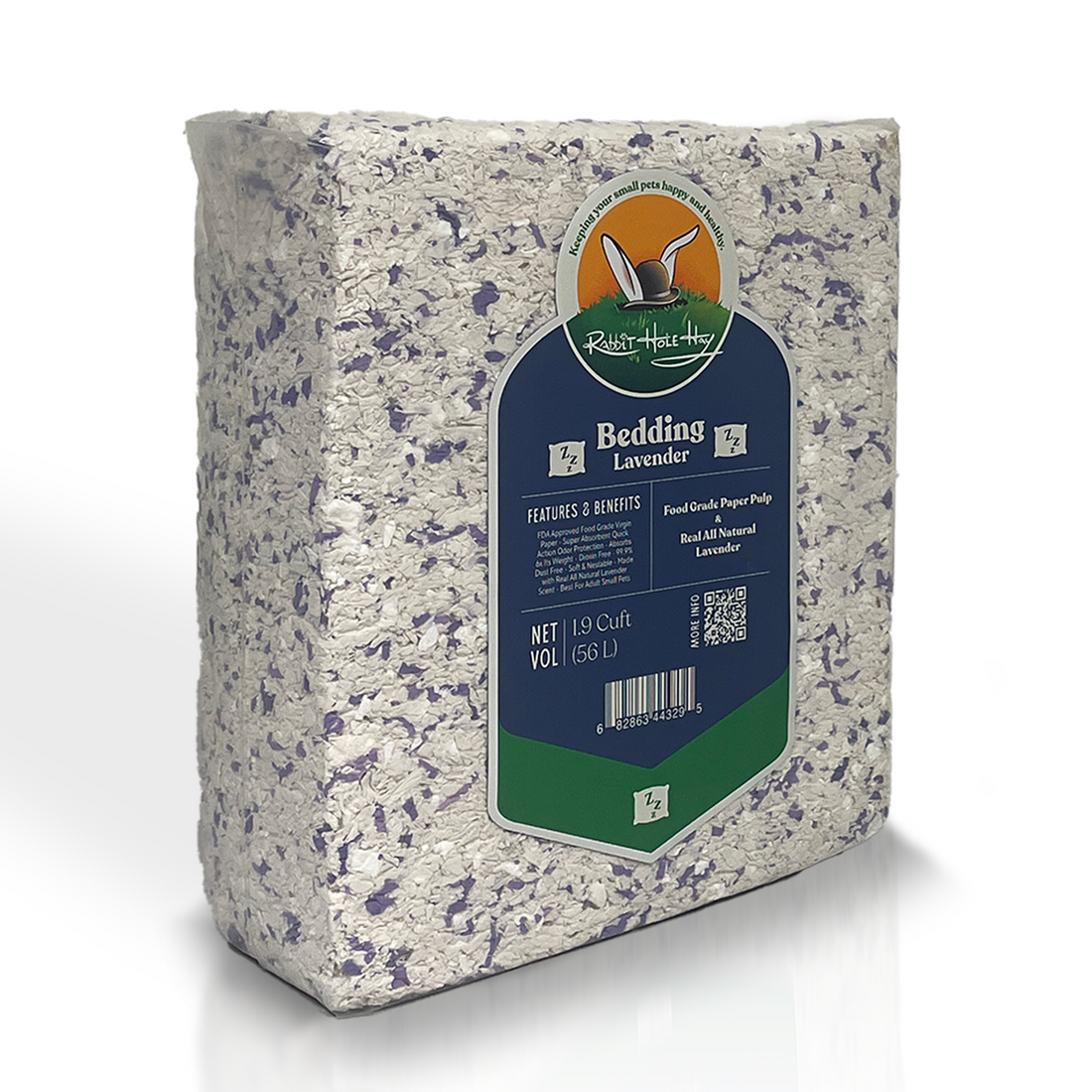
More fur in the air means more mess in the cage. Stay on top of the litter box and bedding cleaning to cut down on airborne hair. Regular cleaning also helps prevent respiratory irritation for both your rabbit and you. Here's a great article for keeping rabbit cages tidy.
5. Don't Trim Mats Yourself
If your rabbit develops mats or tangles during a molt, don't reach for the scissors. Rabbit skin is thin and easy to cut. Instead, use a mat splitter or consult a rabbit-savvy groomer. Some mats will brush out with a little patience and cornstarch powder to reduce friction.
Common Molting Myths—Busted
Myth #1: Molting means something's wrong.
Nope. Shedding is normal—even if it looks wild. Patchy fur and scruffy coats during a heavy molt aren't signs of illness unless they're paired with other symptoms like lethargy or appetite loss.

Myth #2: All rabbits molt the same way.
Not true. Some rabbits molt neatly in waves. Others lose fur all at once in uneven patches. Both are totally normal.
Myth #3: Rabbits only molt once a year.
Many rabbits shed in spring and fall, but house rabbits kept in stable climates may molt lightly year-round. Some seem like they're always losing fur!
When to See the Vet
There are a few times when molting needs a second look from a professional:
Persistent bald spots that don't regrow or look red, flaky, or irritated.
Big changes in appetite, poop size, or energy levels.
Signs of pain or bloating, which could signal a digestive blockage.
In these cases, play it safe and get a check-up. Rabbits can go downhill quickly if something's off, especially when it comes to digestion.
Supporting Your Rabbit Year-Round
Molting isn't something you solve once—it's something you manage throughout your rabbit's life. Here are some simple habits to keep your bun in tip-top shape:
Brush weekly (and daily during heavy sheds).
Feed high-quality, fiber-rich hay like Timothy hay.
Keep fresh water available at all times.
Check for mats, bald spots, or unusual fur patterns.
Offer enrichment—like cardboard boxes or tunnels—to reduce stress that could trigger a shed.
Want to build a stronger daily routine for your rabbit? Start with our free Rabbit Starter Kit. It covers basic care, food tips, and first aid must-haves to make life easier for new and seasoned bunny parents alike.

Final Thoughts on Rabbit Shedding Care
Shedding might be messy, but it's a sign of a healthy rabbit doing exactly what they're supposed to do. With regular grooming, the right diet, and a little attention to detail, you can confidently support your rabbit through every molting cycle.
Key Takeaways:
Shedding is normal, and most rabbits molt more than once a year.
Brushing and hydration go a long way in keeping your rabbit comfortable.
Watch for changes in behavior or digestion—when in doubt, call the vet.
Your rabbit might not love the brushing sessions at first, but with time and gentle care, they'll start to tolerate—and maybe even enjoy—the extra attention. And you? You'll have a cleaner house and a happy bun. Win-win.






Comments