
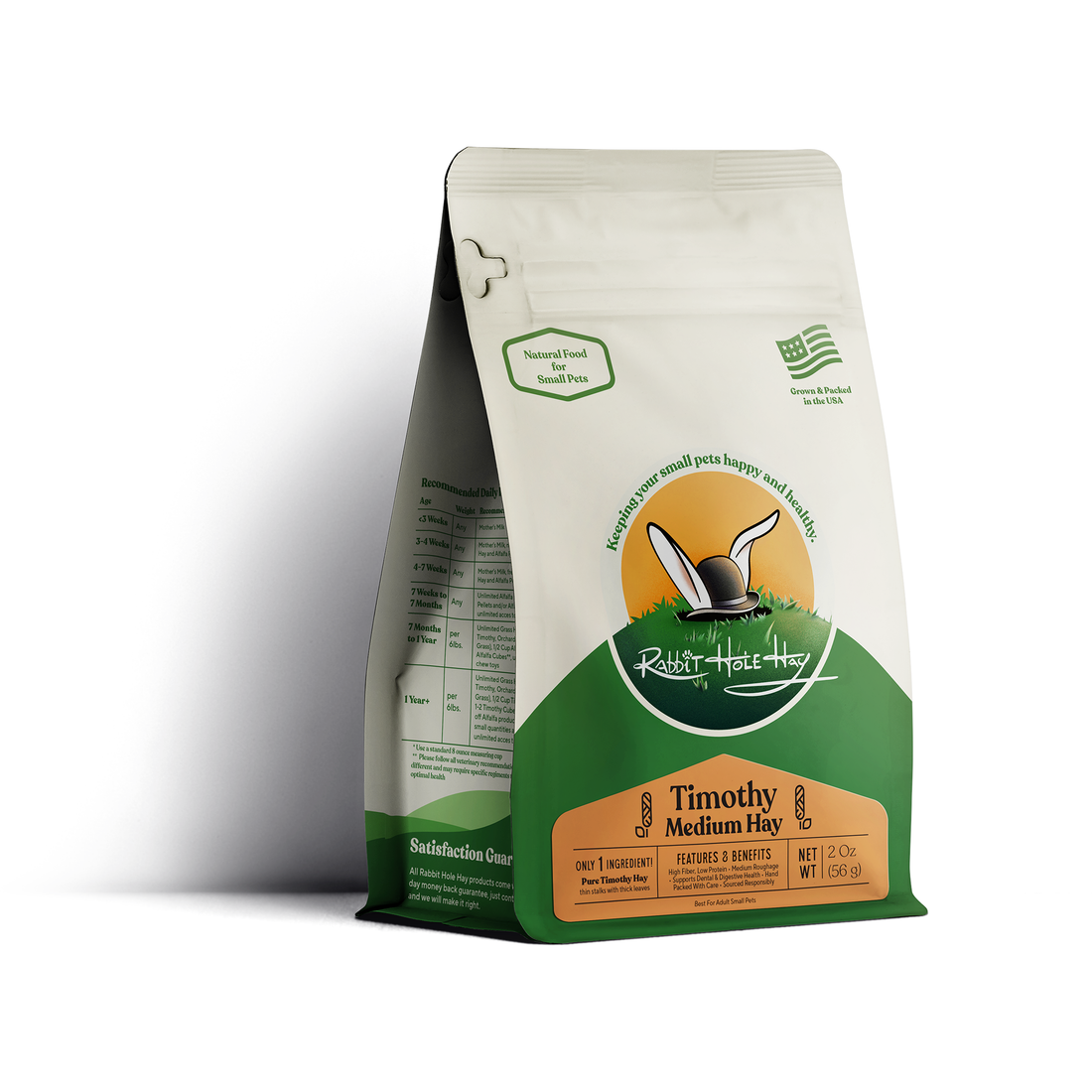

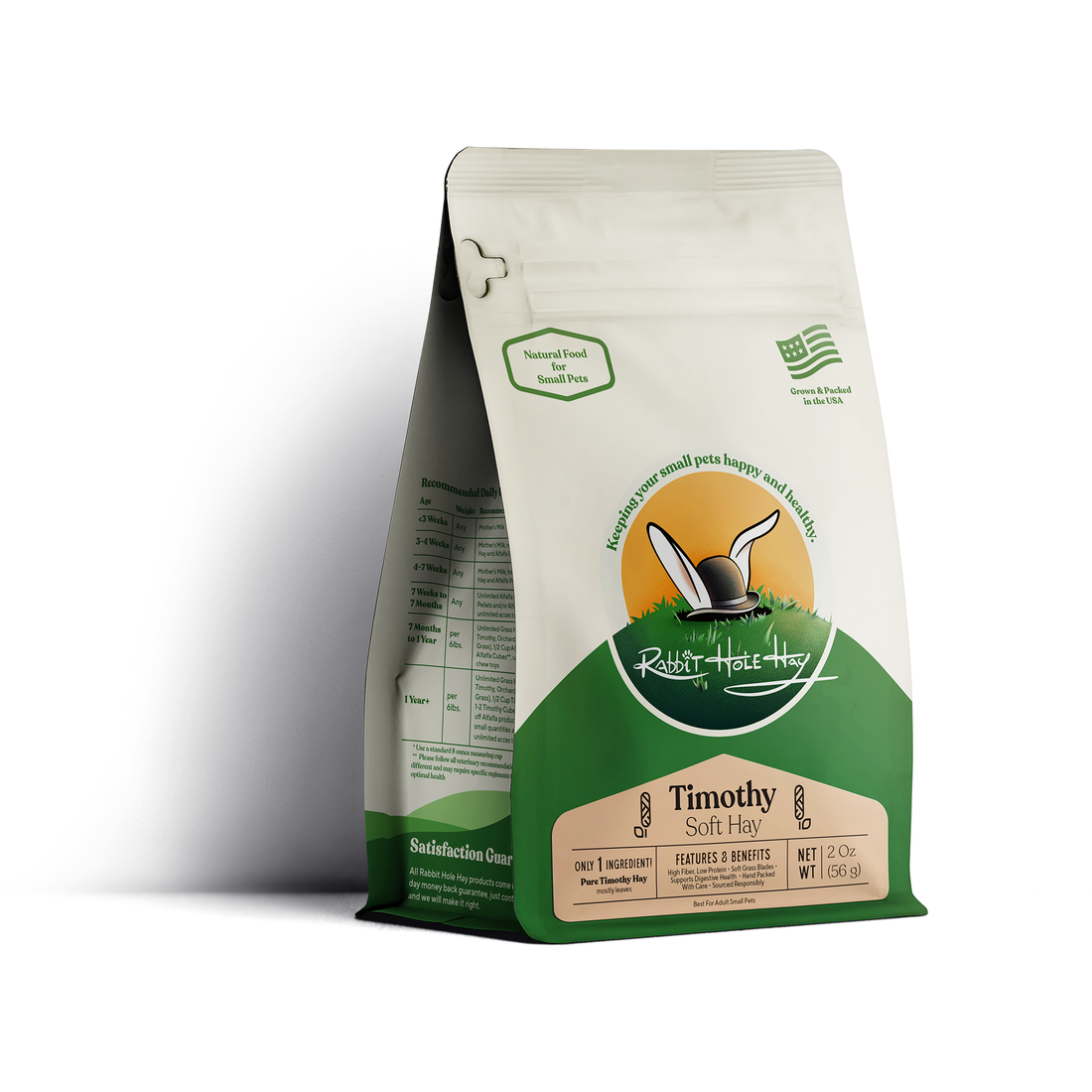
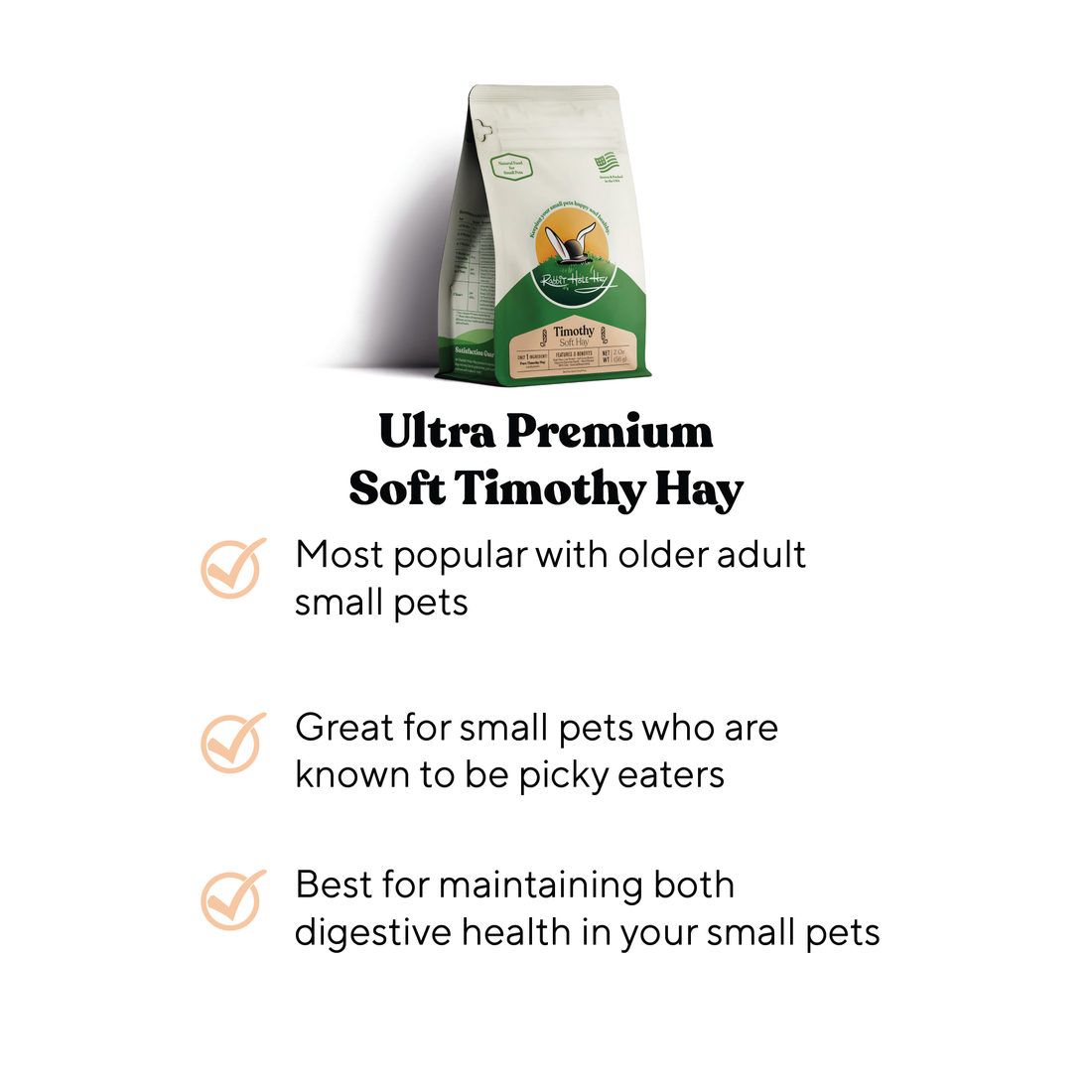
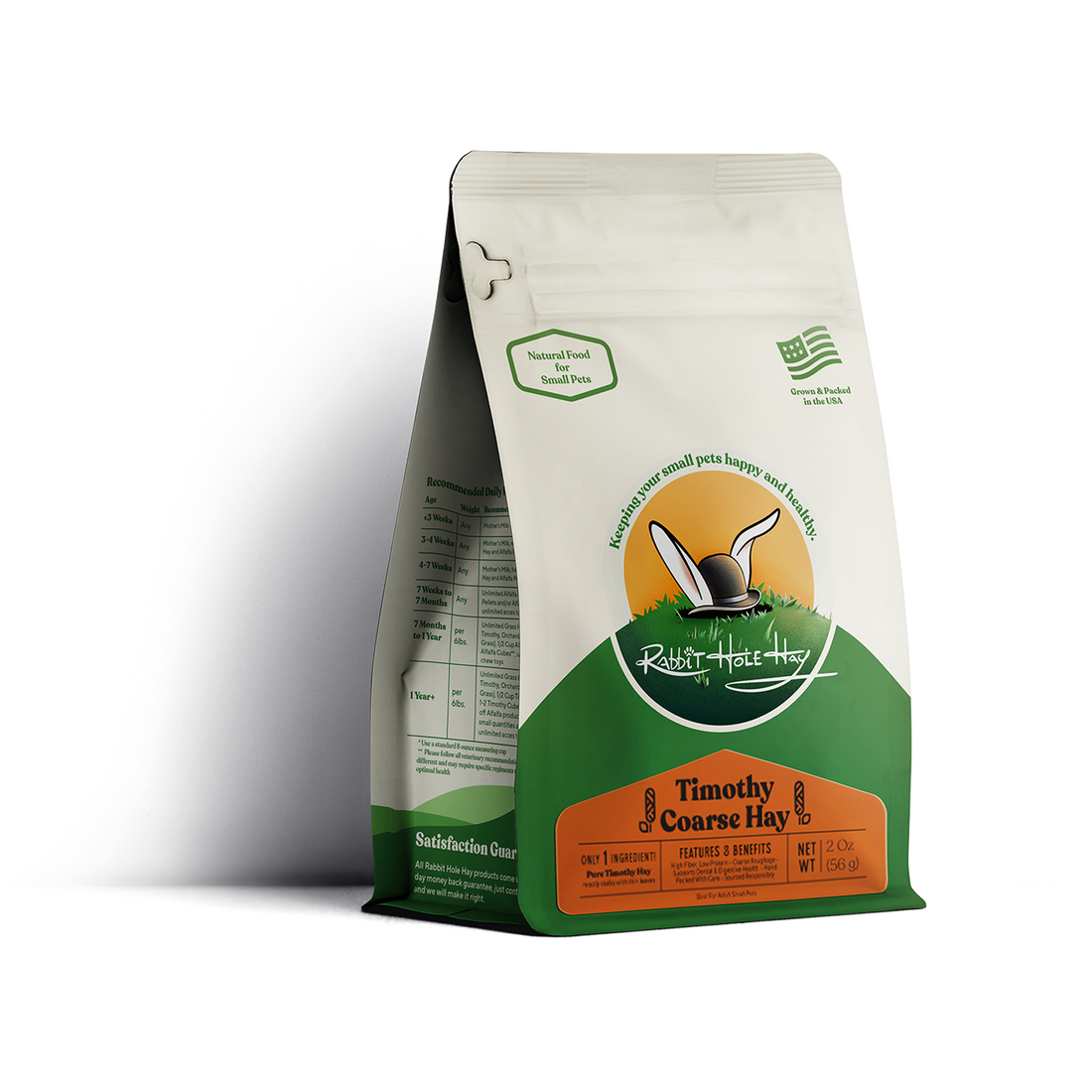




































Rabbits can be allergic to hay, but it is uncommon. Sneezing, watery eyes, and face rubbing near the hay pile usually mean dust, mold, or bedding irritants—not a true grass protein allergy. Hay is still non-negotiable for gut and dental health, so the goal is cleaner hay and better airflow, not quitting fiber.
If your rabbit only sneezes when you shake a dusty bale but looks fine an hour later, start with hay quality and storage. Yellow nasal discharge, wheezing, or a bunny who stops eating needs a vet—not another hay brand.
Below we walk through allergy signs, look-alike causes, orchard grass alternatives, and daily dust-reduction habits. For household triggers beyond hay, read what rabbits are sensitive to at home and our rabbit health guide.

What Are the Signs of Rabbit Hay Allergies?
Symptoms that show up around hay time include:
Frequent sneezing when eating or digging in hay
Watery or red eyes
Clear or white nasal discharge
Face rubbing with the front paws
Wheezing or labored breathing (vet urgent)
Skipping hay despite normal energy (vet urgent)
Timing matters. Dust irritation often flares during feeding and eases after you swap hay or clean the pen. Infection or dental pain tends to stick around all day.
What Else Causes Sneezing Besides Hay Allergy?
Could Dust in the Hay Be the Real Problem?
Most “hay allergy” cases we hear about are dust clouds from old or poorly stored bales. Shake a handful over a white surface—if you see a fine powder, your rabbit is inhaling that with every bite.

Green, sweet-smelling low-dust hay makes a noticeable difference within a few days for many sensitive buns.
Could Bedding or Poor Airflow Be Irritating My Rabbit?
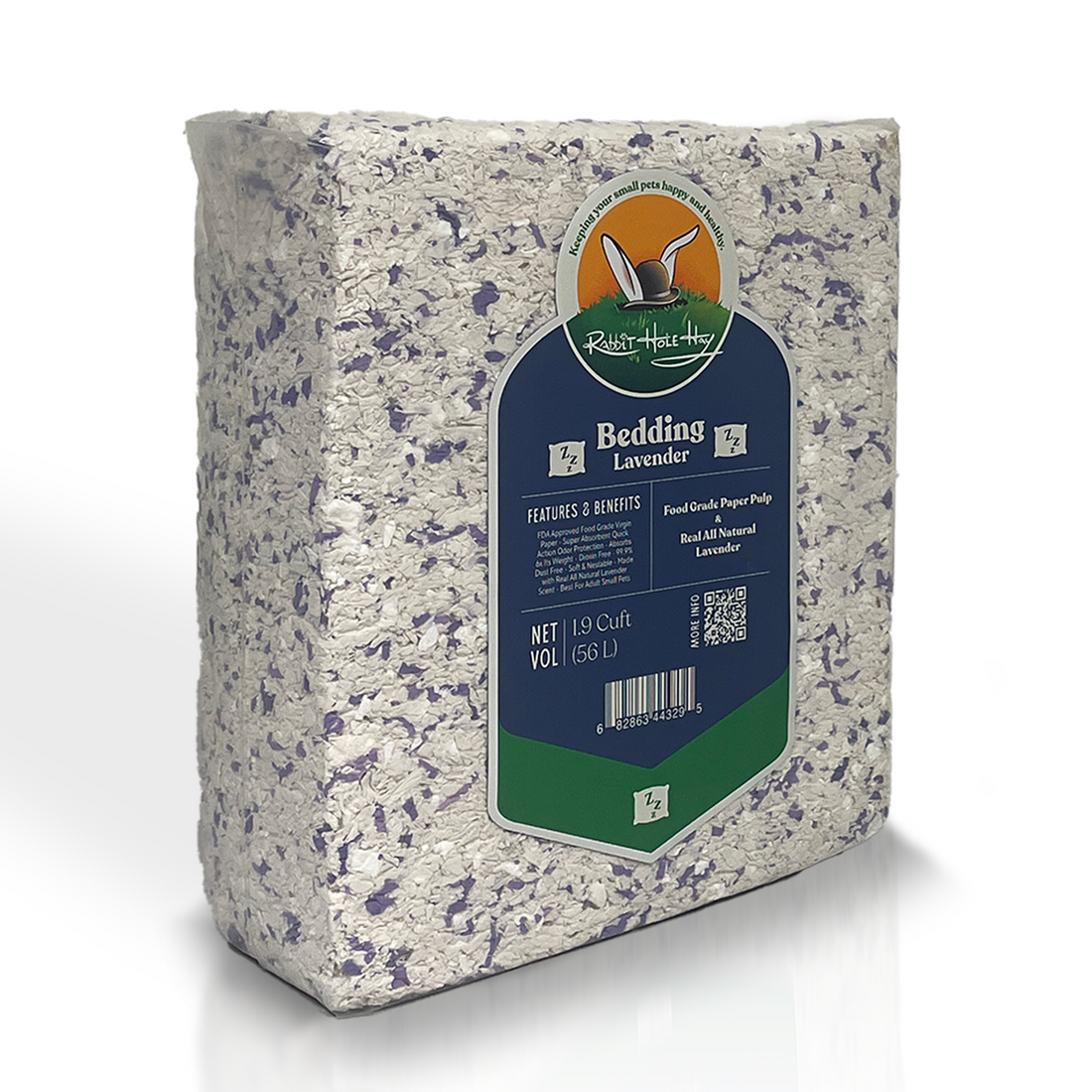
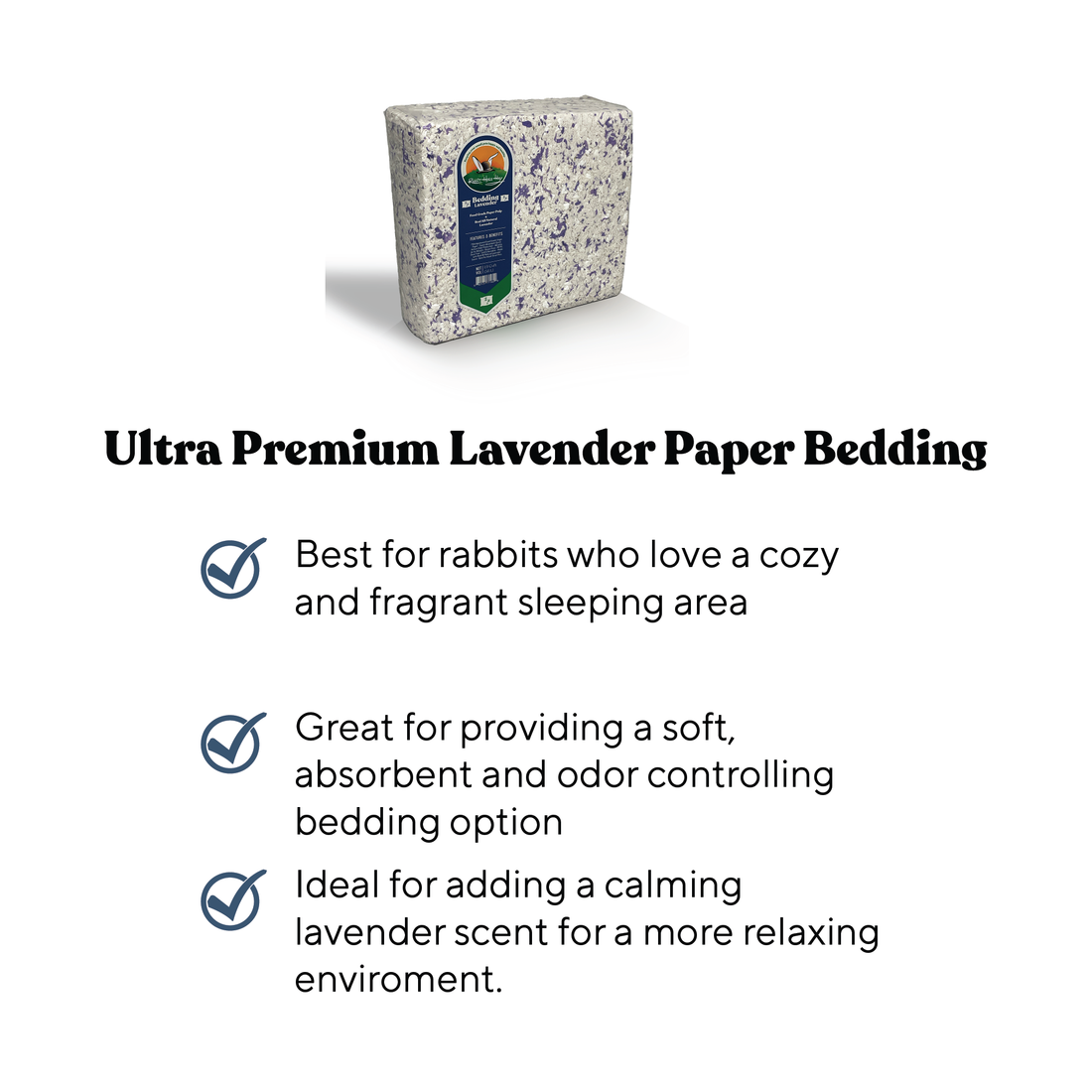
Pine and cedar shavings release oils that bother small lungs. Ammonia from old litter builds fast in a closed hutch. Switch to dust-free paper bedding or food-grade litter, change litter before it smells, and open a window or run a HEPA purifier near the pen—not right on top of it.
Enclosure setup tips live in our article on timothy hay and sneezing.
When Do Medical Issues Mimic Allergies?
Overgrown teeth can press on sinuses. Respiratory infections like snuffles (Pasteurella) cause discharge that will not clear up with a hay swap alone. Eye infections add redness and crusting beyond a dusty sneeze.
If symptoms last more than a few days after environmental cleanup—or appetite drops—book a rabbit-savvy vet.
What If My Rabbit Is Truly Allergic to Timothy Hay?
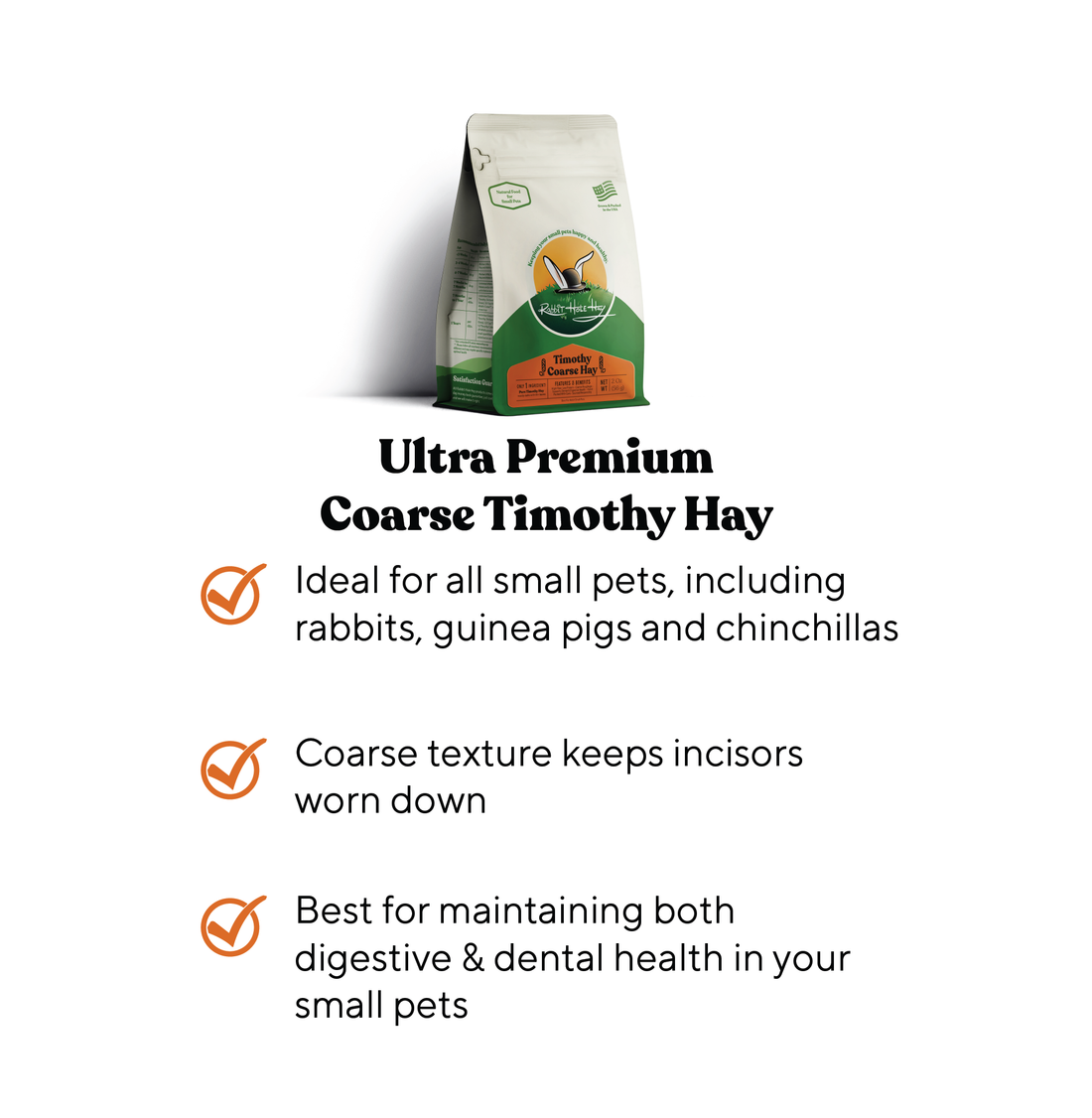
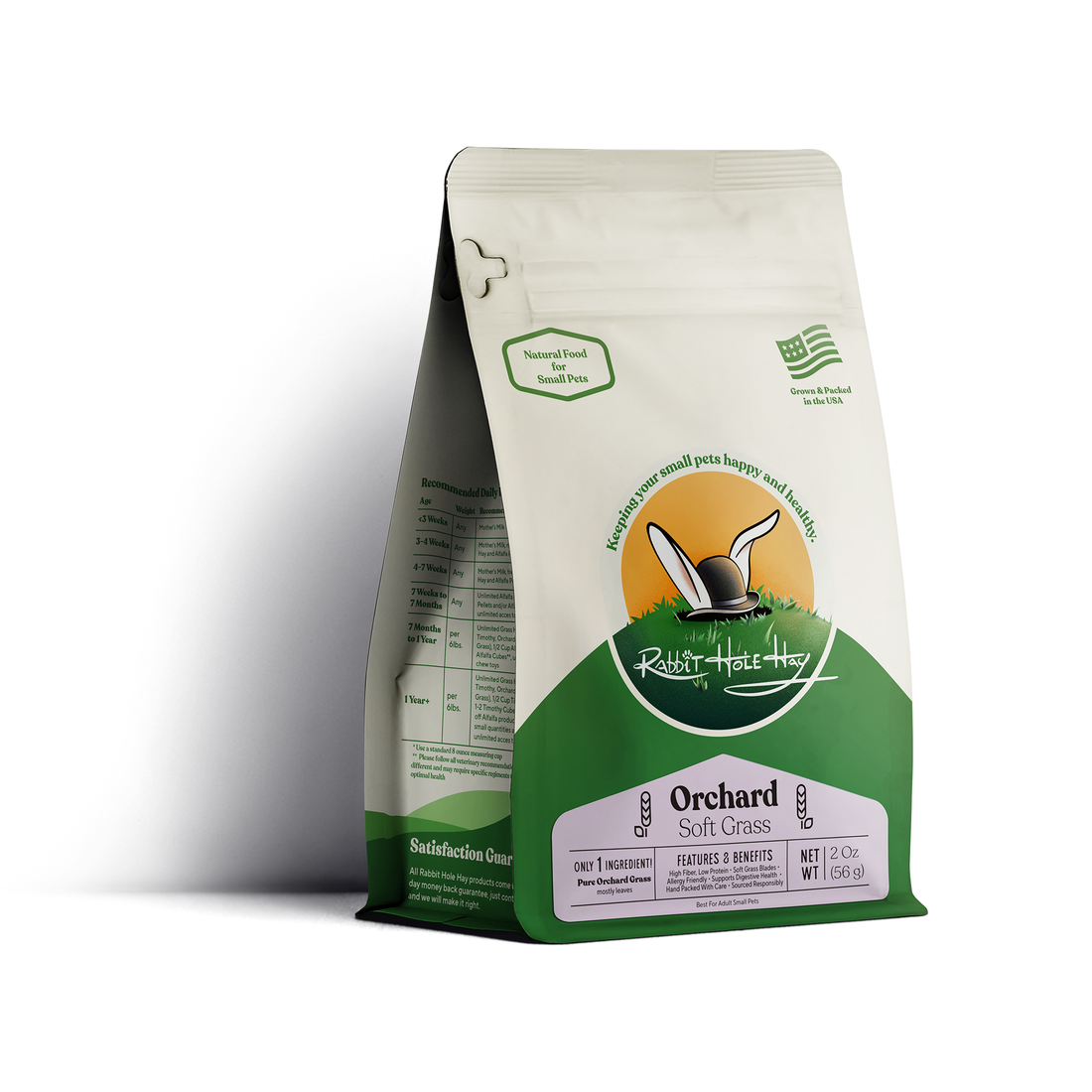
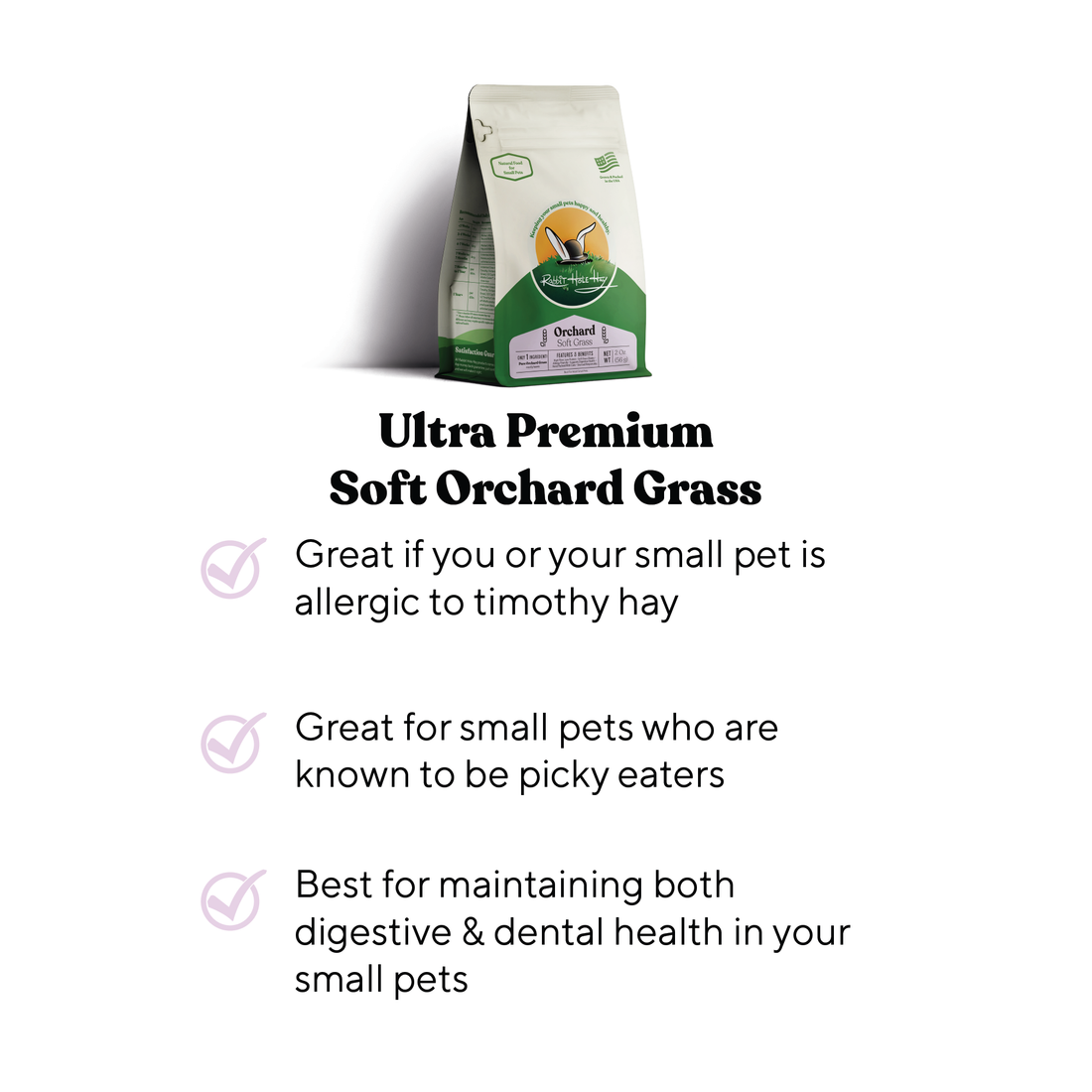
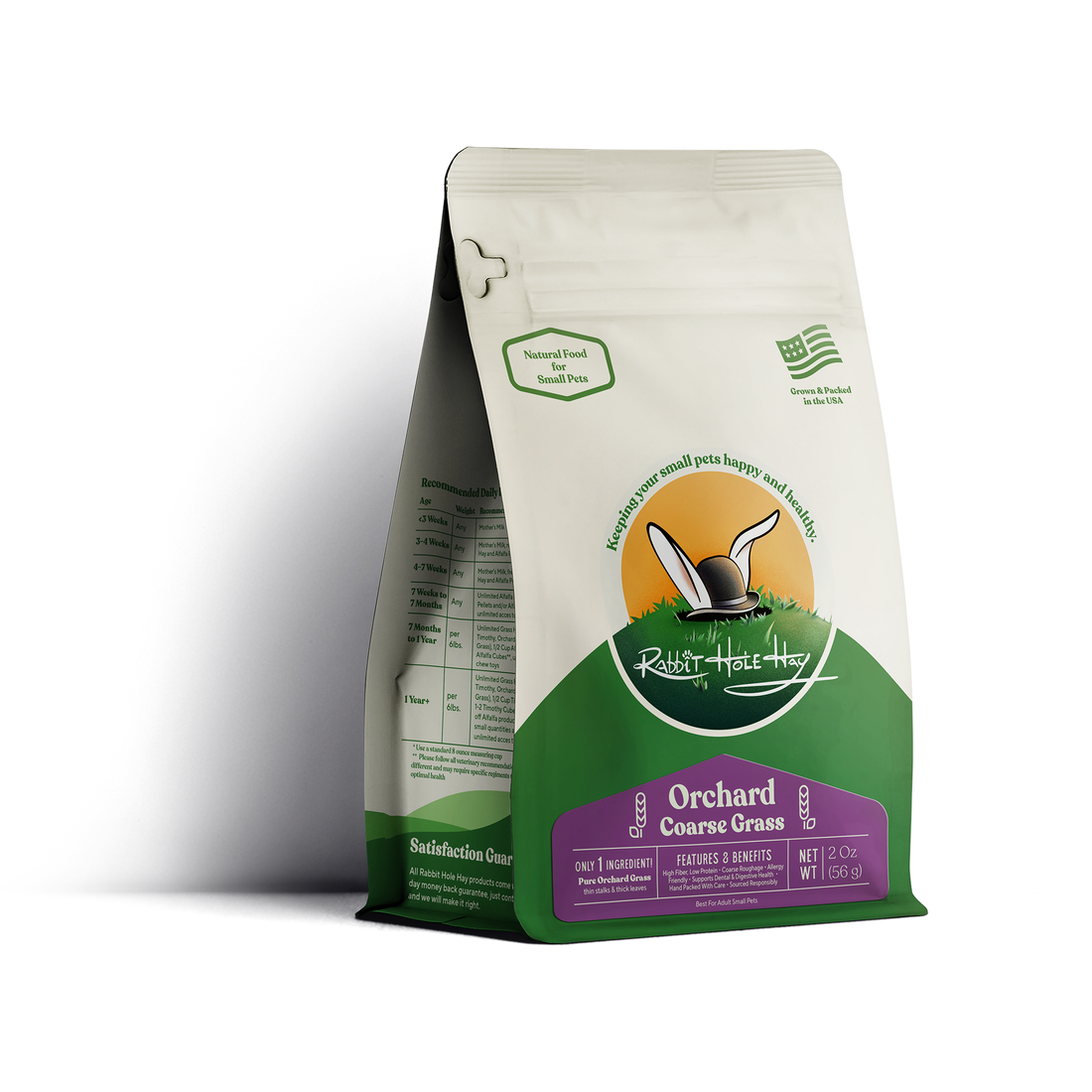
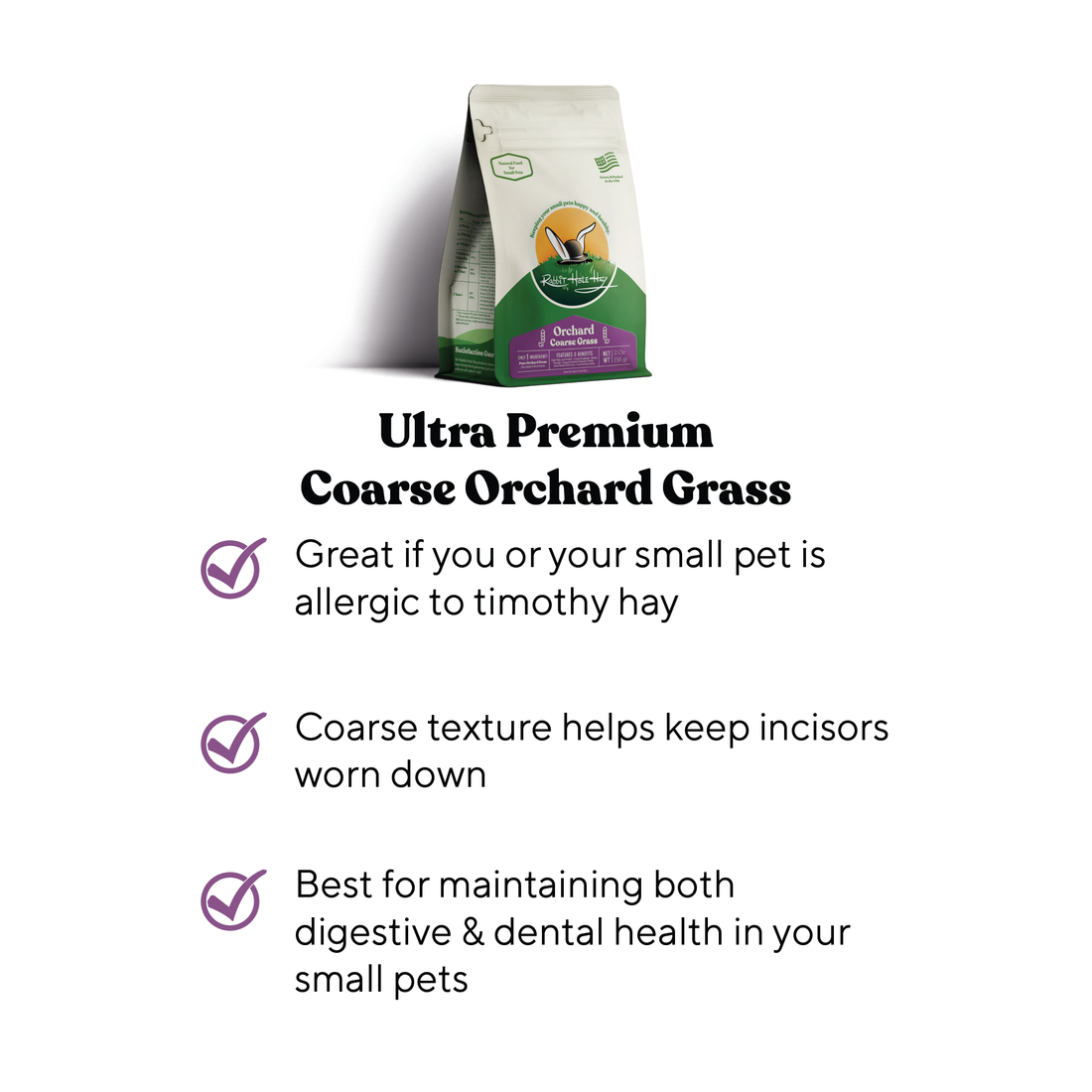
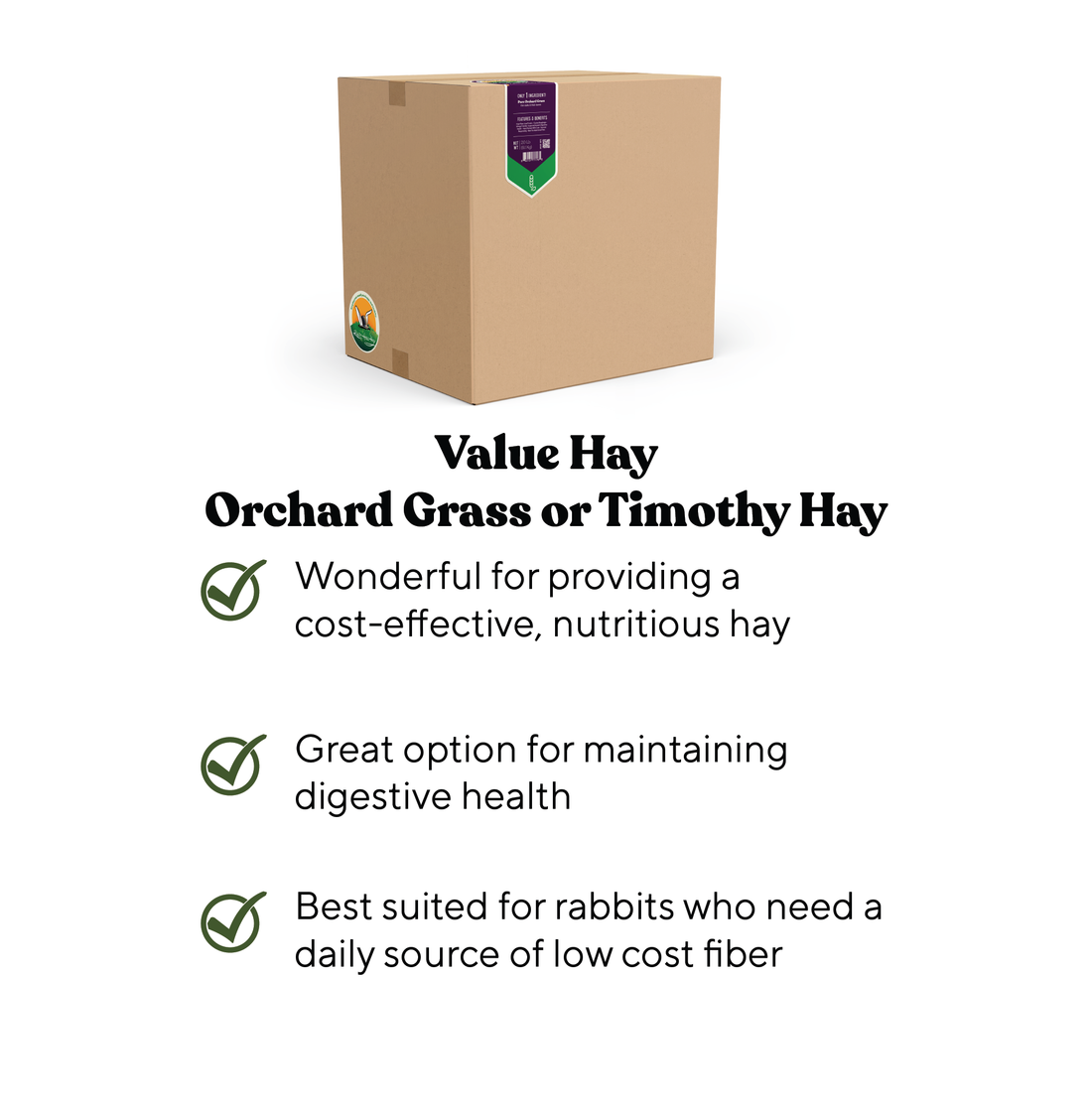
After dust, bedding, and illness are ruled out, try a different grass. Orchard grass has a softer texture and different pollen profile; many sensitive rabbits tolerate it better than Timothy.

Which Orchard Grass Cut Should I Choose?
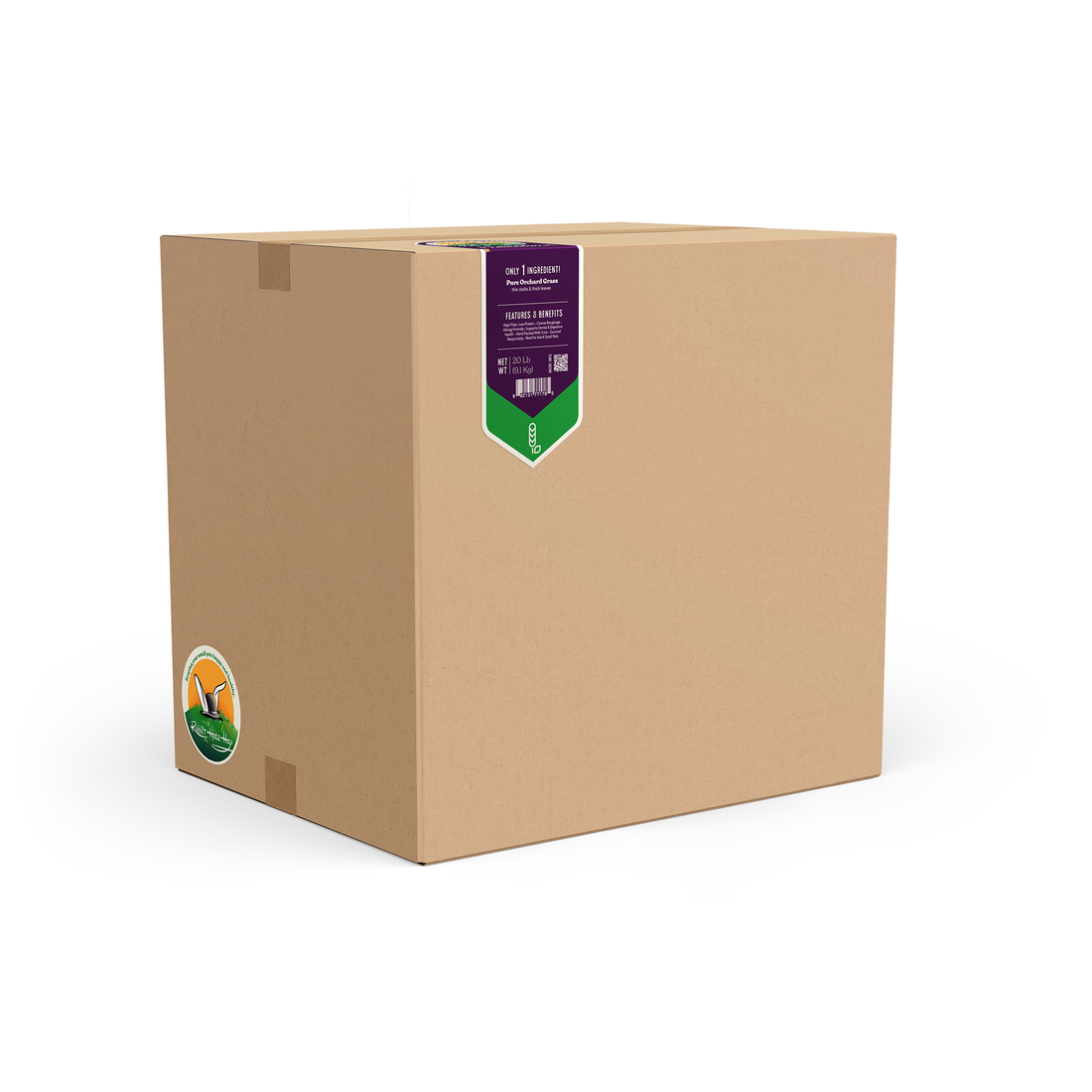
Coarse orchard grass for thicker stems and more dental wear
Soft orchard grass for picky or very sensitive eaters—add chew toys since stems are gentler
Portions and hay types for daily feeding are spelled out in our Hay is for Rabbits guide.
How Can I Reduce Dust and Irritation at Feeding Time?
Shake or fluff hay outside before putting it in the rack
Store bales in a dry, ventilated spot—not a damp garage
Use a hay feeder to keep piles off the litter zone
Try a different cut—second cut is often softer and less stem-dusty than first
Run an air purifier in the room, not inside the cage
None of this is glamorous—shake the hay outside, swap the bedding, wipe the litter box—but most owners see fewer sneezes before anyone says “allergy.”
When Should I Call the Vet About Sneezing?
Call promptly for thick yellow discharge, noisy breathing, head tilt, or any sneezing paired with not eating. Those are not hay swaps—they are medical.
For mild clear sneezes, you have a few days to clean up dust and bedding while you watch. If nothing improves, the vet can culture discharge and check teeth while you test orchard grass at home.
What Should I Remember About Rabbit Hay Allergies?
True grass hay allergy is rare; dust and environment are the usual villains. Keep hay in the diet, improve quality, and change grass type only after you have ruled out the cheap fixes.
When you find a hay your rabbit tolerates, stock enough that you are not feeding the dusty crumbs at the bottom of the bag every month.




Comments