










































































If you've ever tried rabbit litter box training, you already know it can feel like a game of progress and setbacks. One day, your bunny's doing great. The next, you're stepping in unexpected surprises across the room.
Click Here For a Guide to Creating the Ideal Litter Box.

But the truth is, training a rabbit to use a litter box isn't as wild as it sounds. In fact, it can be one of the best steps you can take toward making your rabbit a full-fledged member of the family. You need the right setup, patience, and smart strategies.
Setting the Stage: Supplies and Setup
Getting started the right way makes all the difference. Rabbits don't respond to punishment, but they do love routine and comfort. The right litter box setup can turn chaos into consistency faster than you'd think.

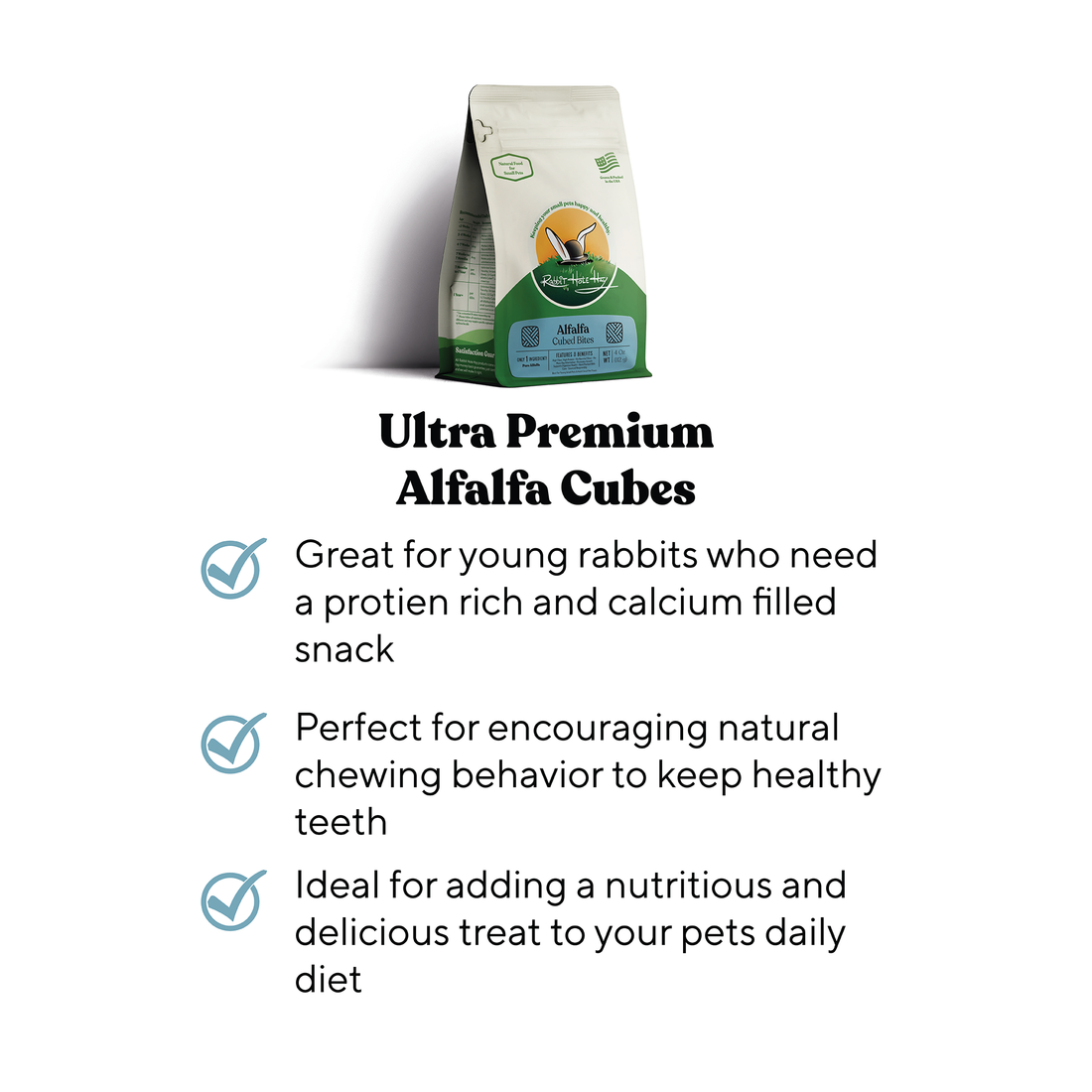
You'll need a properly sized box, safe litter, and quality hay. Yes, hay. Rabbits love to munch while they handle their business. Placing Timothy Hay at one end of the box can be the invitation they didn't know they were waiting for.
Choosing the Right Litter Box
Don’t get hung up on the fanciest setup. A simple, functional litter box is all you need. Too small, and your bunny won't fit comfortably. Too big, and you're wasting litter—and time. If your rabbit doesn't have a favorite bathroom spot yet, pick up two or three boxes and place them in their frequent corners. You'll figure out their favorite fast.
Litter Matters
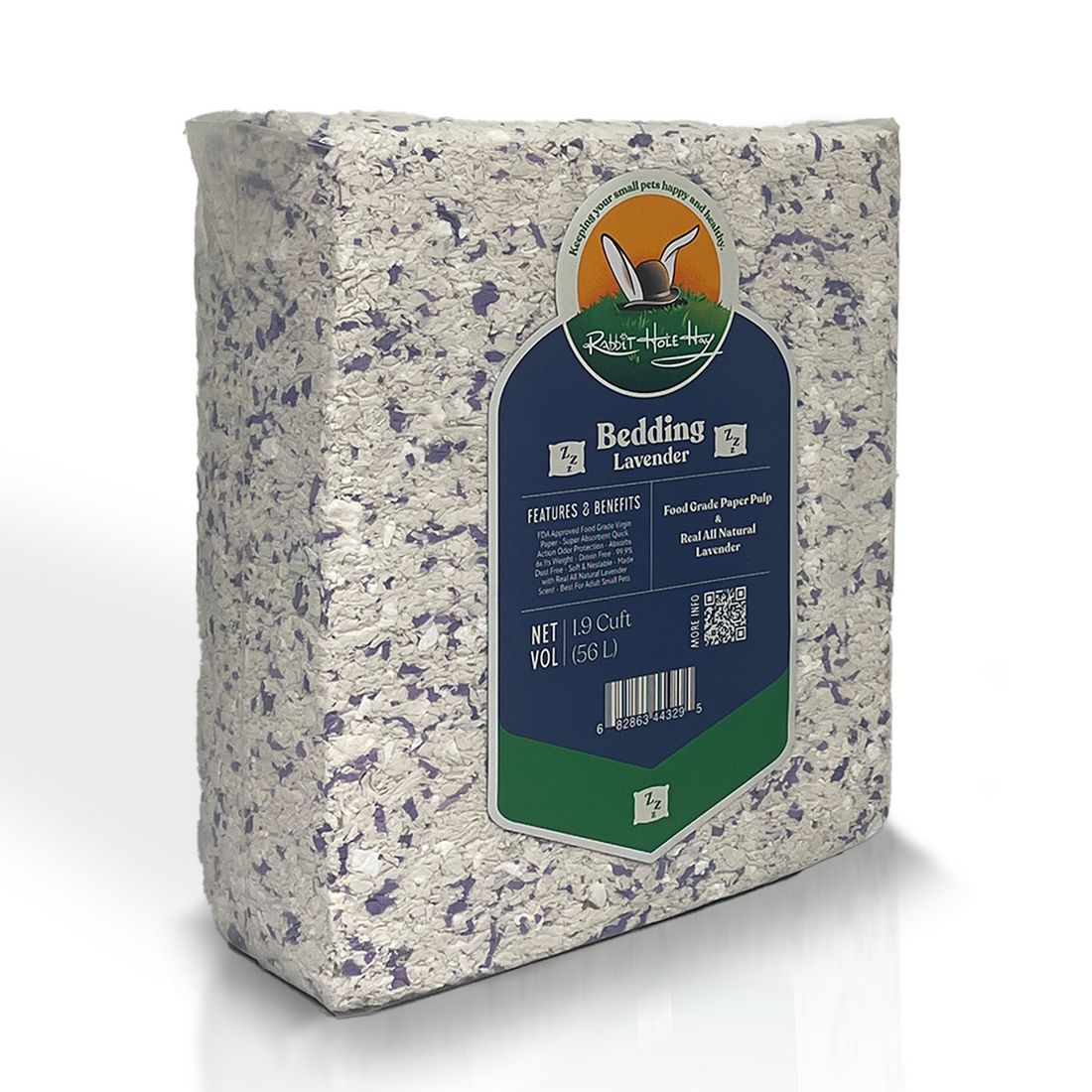
The litter you use should be soft, absorbent, and, above all, safe. Steer clear of clay, pine, or cedar-based litter. Instead, use a paper-based option like food-grade bedding. Straw or even newspaper can work well, too.
Rabbit Litter Box Training: Patience Is a Must
It's tempting to expect instant results, but rabbits aren't built that way. Litter box training is a process that depends on trust, repetition, and a bit of observation.
If you're wondering, "Why is my rabbit peeing in the box but not pooping in it?"—you're not alone. This is one of the most common hiccups in the whole process.
Watch for the Signs
Does your rabbit choose one corner to do their business? That's a clue. Move the litter box to that spot and start training from there. Placing a few stray droppings inside can help reinforce the idea. Over time, the message will stick.
Limit Their Space
Too much freedom too soon can sabotage your progress. Keep your rabbit in a small area with the litter box during the early stages. Once they're consistent, expand the space gradually. If the messes return, dial the space back again.
Understanding Behavior: Why It Isn't Always About Training
Sometimes, it's not about technique. Sometimes, it's just about your rabbit being a rabbit.
Stress Can Be a Real Mess
Did you recently move? Introduce a new pet? Change their environment? Rabbits hate change, and even a shift in furniture can throw them off. Give them time to settle, and keep the box location consistent during transitions.
Hormones Rule the Roost
Is your bunny still intact? That might be the problem. Especially with males, unneutered rabbits are driven to mark territory. Spaying or neutering is not just helpful—it’s almost necessary. It makes training easier and can lead to a calmer, more balanced bunny.
Age Plays a Role
Rabbits under six months can be hit or miss. That doesn't mean you can't start—just don't expect perfection. Get them spayed or neutered when the time is right, and you'll see a noticeable shift in their habits.

Environmental Issues That Impact Litter Habits
Something Changed
If your rabbit was trained and suddenly isn't, think about what's different. Did you buy a new litter? Switch up the box? Try a new cleaner? Any of those can cause a hiccup. Rabbits can be picky, and what works today might not tomorrow.
The Box Doesn't Fit
Too cramped? Too tall? If your rabbit is awkwardly climbing in or struggling to move around, they might give up and go elsewhere. Likewise, oversized boxes can feel unfamiliar or uncomfortable. Pay attention to their behavior inside the box—how they enter, turn, and leave.
Smells Are Powerful
Rabbits have sensitive noses. What smells clean to you might be too strong for them. Avoid heavily scented litter or cleaners. Stick to mild, unscented options that won't overwhelm them.

Common Problems and Quick Fixes
Sticky Poop
Sticky droppings that cling to your rabbit's fur can fall off after they hop away. This isn't necessarily a training issue—it might be dietary. Make sure your rabbit is getting enough fiber, especially from Timothy Hay. Fiber keeps things moving—and clean.
Digging Drama
Digging is natural. Unfortunately, it also means you'll find scattered droppings even when the box is in use. Some bunnies can't help but dig in their box. Try a box with a grate or screen over the litter to reduce the mess.
Getting Your Rabbit on the Right Path
Sometimes, the best thing you can do is lower your expectations just a bit. Many owners get their rabbits to 90% accuracy. Don't get discouraged by an occasional accident. That's just life with pets.
There's no magic formula to perfect rabbit litter box training, but there is a strategy that works: keep it simple. The right box, litter, and a calm, consistent approach will get you further than any shortcut.
Need a refresher? Our Litter Box Guide breaks everything down step-by-step. You'll find setup tips, material pros and cons, and a few unexpected tricks that can make a difference.
Helpful Takeaways for Rabbit Litter Box Training
Start with the right setup—box size, safe litter, and hay all matter.
Spaying or neutering makes litter box training easier and more consistent.
Stay flexible and patient—every rabbit is different, and success takes time.
If you're still struggling, don't give up. Sometimes, a few tweaks can change everything. And if it's just a few rogue pellets now and then, that's just part of the bunny charm.





Comments