










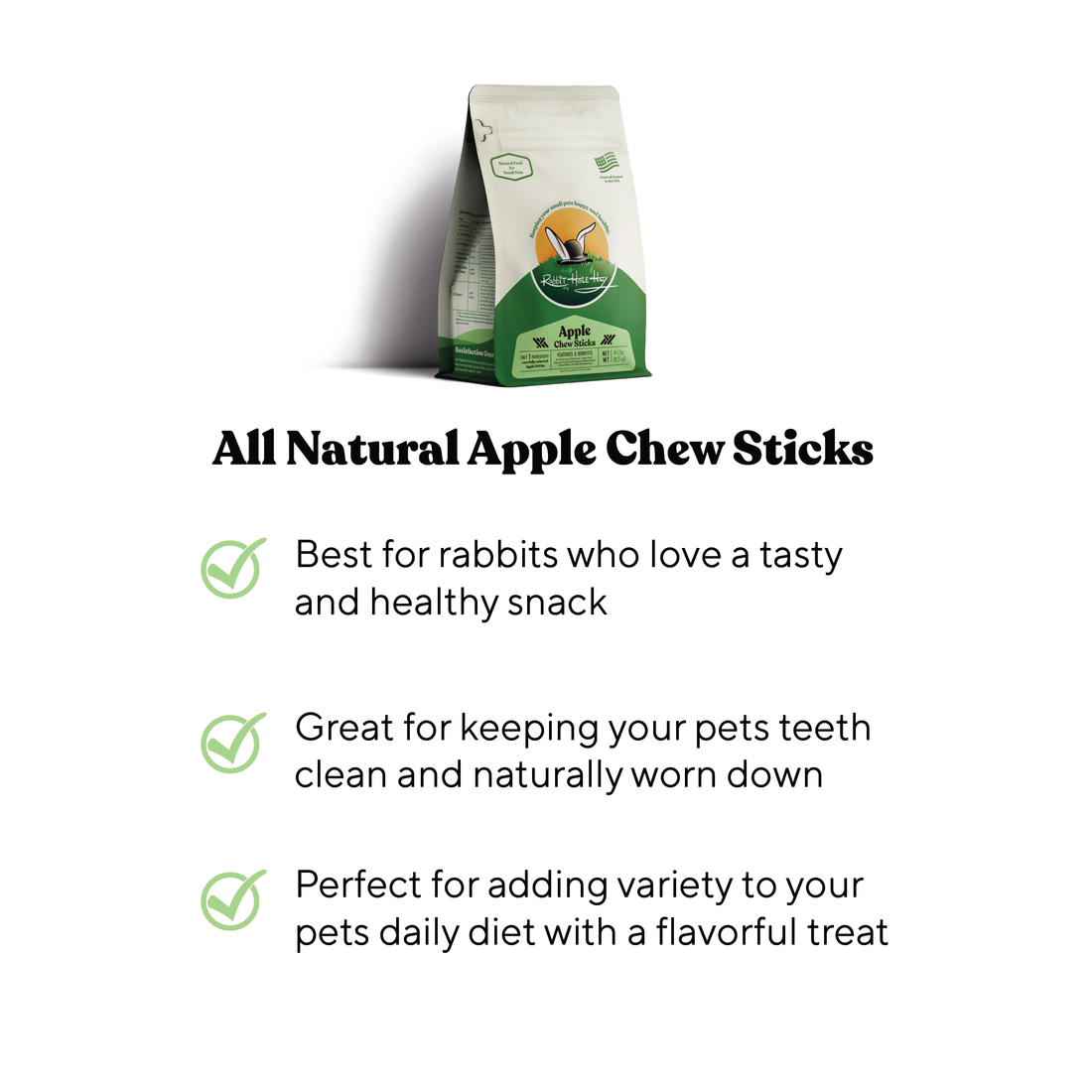


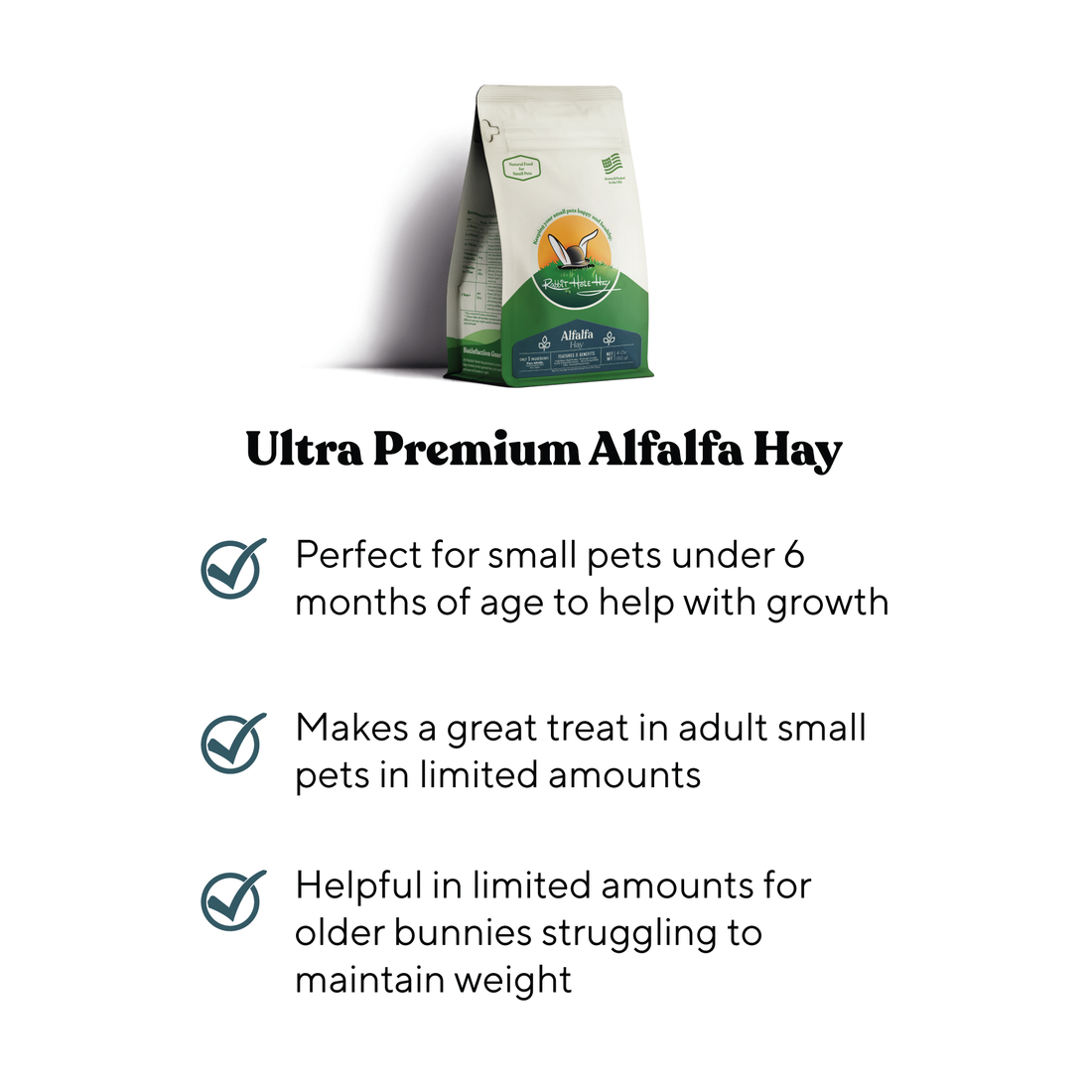

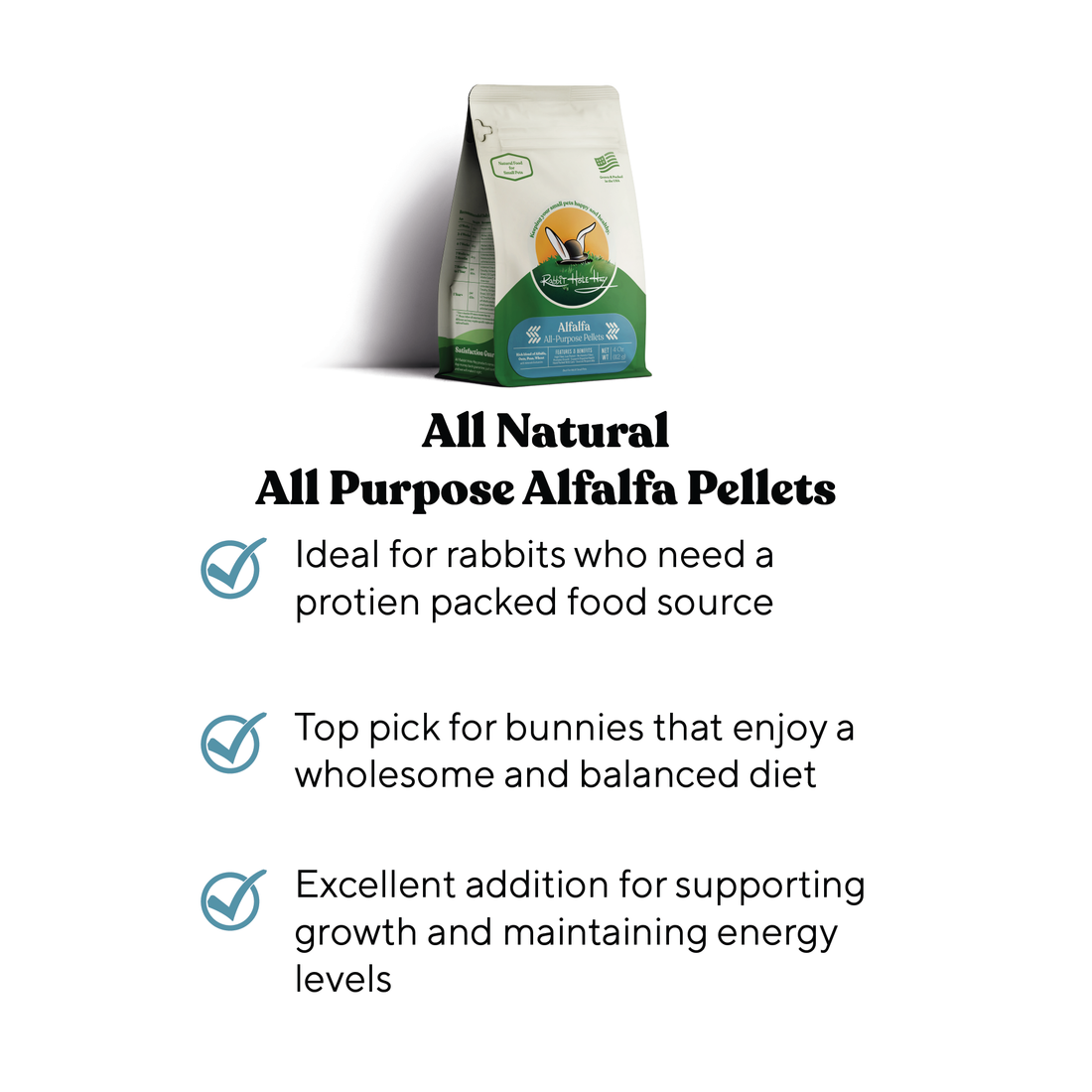

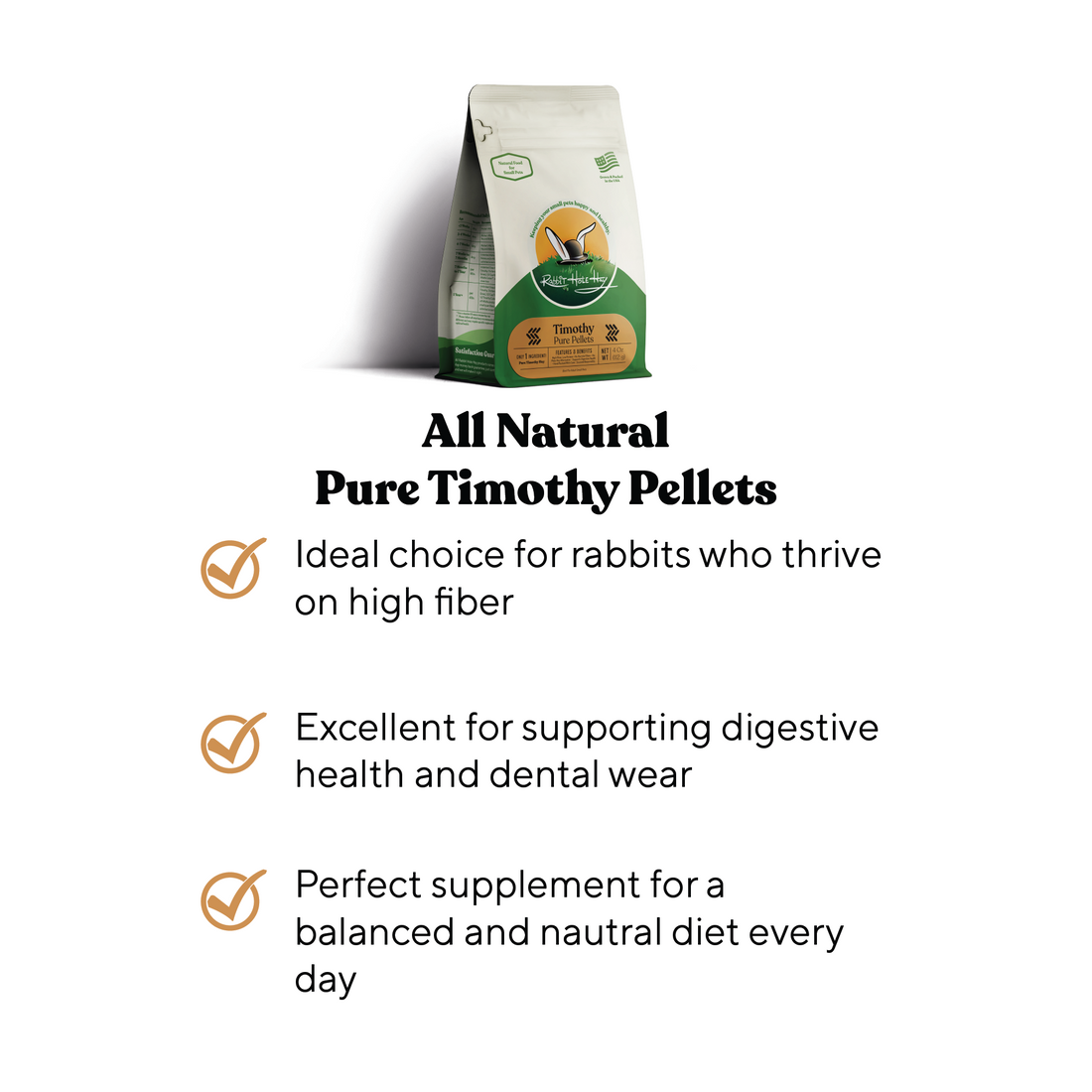









































When you set up a rabbit's living area, plan for hay the same way you plan for space and litter: keep grass hay available all day where your rabbit already hangs out, usually near the litter corner, in a dry pile or rack, and as an edible top layer—not as the only sponge under their feet. Kits and nursing moms may need alfalfa for a while; most adults do better on Timothy, orchard, or similar grass hay. Wet, moldy, or empty hay spots are the easy miss that turns a nice pen into a problem.
Expect a mix of where hay belongs in the pen, how much to leave out, which types fit common setups, and how to store the bag so what you put down still smells like food.

Why Does Hay Belong in the Living Area, Not Just a Food Bowl?
Rabbits are grazers. In a good setup, hay is the main thing they work on for hours—not a side dish you refill once at breakfast. Fiber keeps the gut moving, and the side-to-side chew wears teeth that never stop growing. That is why empty hay racks show up in so many “my rabbit stopped eating” stories.

Think of the living area as their dining room floor too. Pellets and greens ride behind hay; they do not replace it. The House Rabbit Society food and diet overview and the RSPCA rabbit diet advice both put unlimited grass hay at the center for adults. For the wider daily care checklist around that pen, use our how to care for a rabbit pillar.
Where Should You Put Hay in a Rabbit Setup?
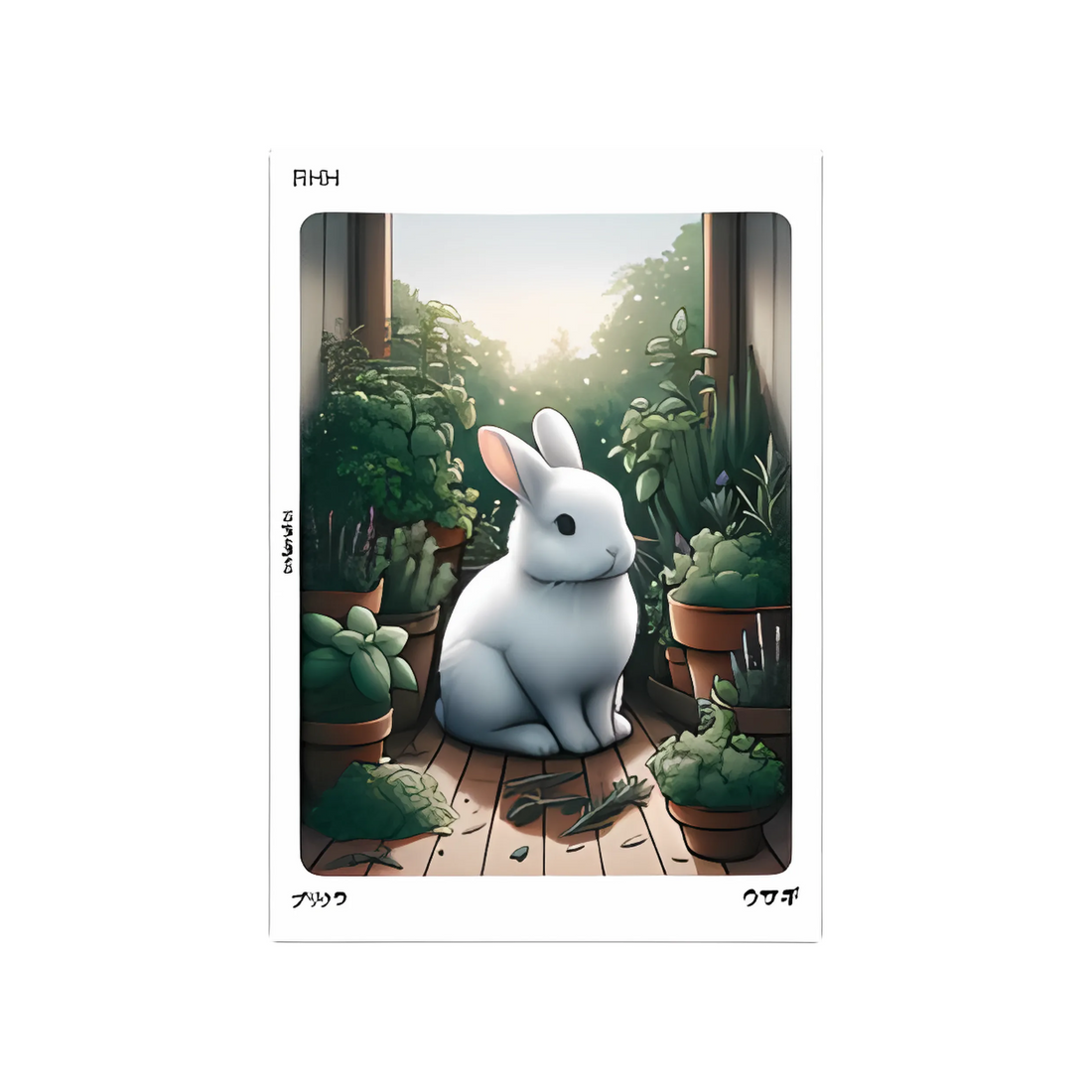
Put the biggest fresh pile where your rabbit already likes to sit and eliminate. Many rabbits chew hay and use the litter box in the same corner, so topping that tray with clean grass hay is not messy—it matches how they already use the space.
A simple layout that works in most pens:
Litter corner: Absorbent base, soft bedding middle, generous dry hay on top.
Second dry pile or rack: Somewhere they can still reach hay if the tray pile gets soiled overnight.
Away from the water tip: Keep wet bottle drips and splashy bowls from soaking the main hay stack.

Hay racks help keep stems off wet floors, but some rabbits ignore a high rack and only eat from the floor. Follow the pile they actually empty. For tray layering and soft footing details, our rabbit bedding setups guide covers the stack under that hay. For space, hides, and pen layout around the hay zone, start with the safe rabbit cage setup checklist and best rabbit habitat setup.
How Much Hay Should Stay Available Day to Day?
Adult rabbits should never run out between cleanings. Aim for a pile that still looks generous at the end of the day—roughly a body-sized mound is a useful visual for many homes, then adjust up if they clear it before evening.
Refresh soiled hay daily. Hay that sat in urine is not “still food”; it is a mold and flystrike risk sitting next to soft feet. Keep a dry backup pile so a messy remodeler still has something clean to chew while you scoop.
Guinea pigs and chinchillas in the same household follow the same living-area idea: hay within easy reach all day, not a decorative handful. Empty racks are a problem, not a personality quirk.
Which Hay Types Fit a Typical Living-Area Setup?
You do not need a wall of specialty bags to stock a pen. Match the life stage, then pick a texture your rabbit will actually finish.

Grass Hay for Most Adults
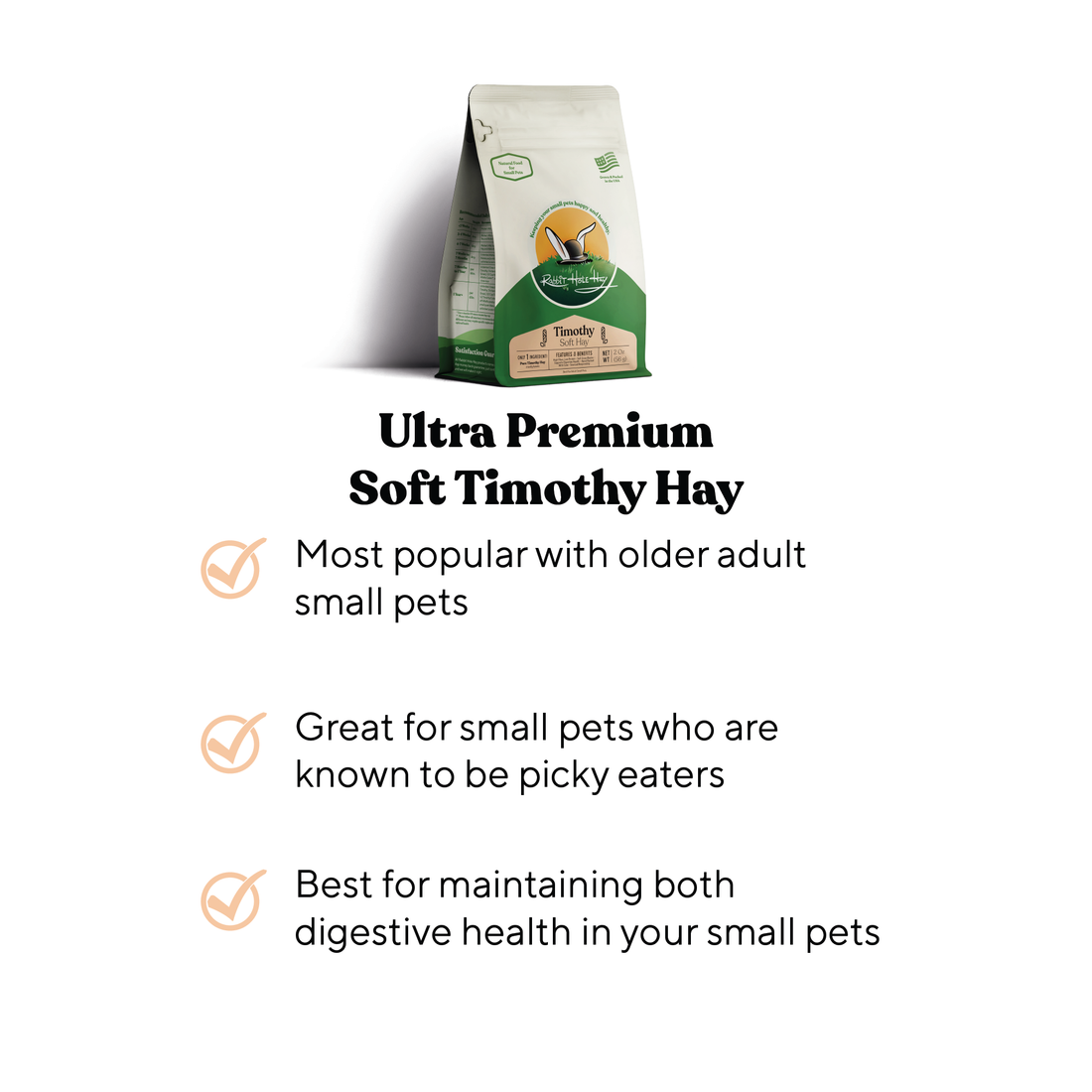
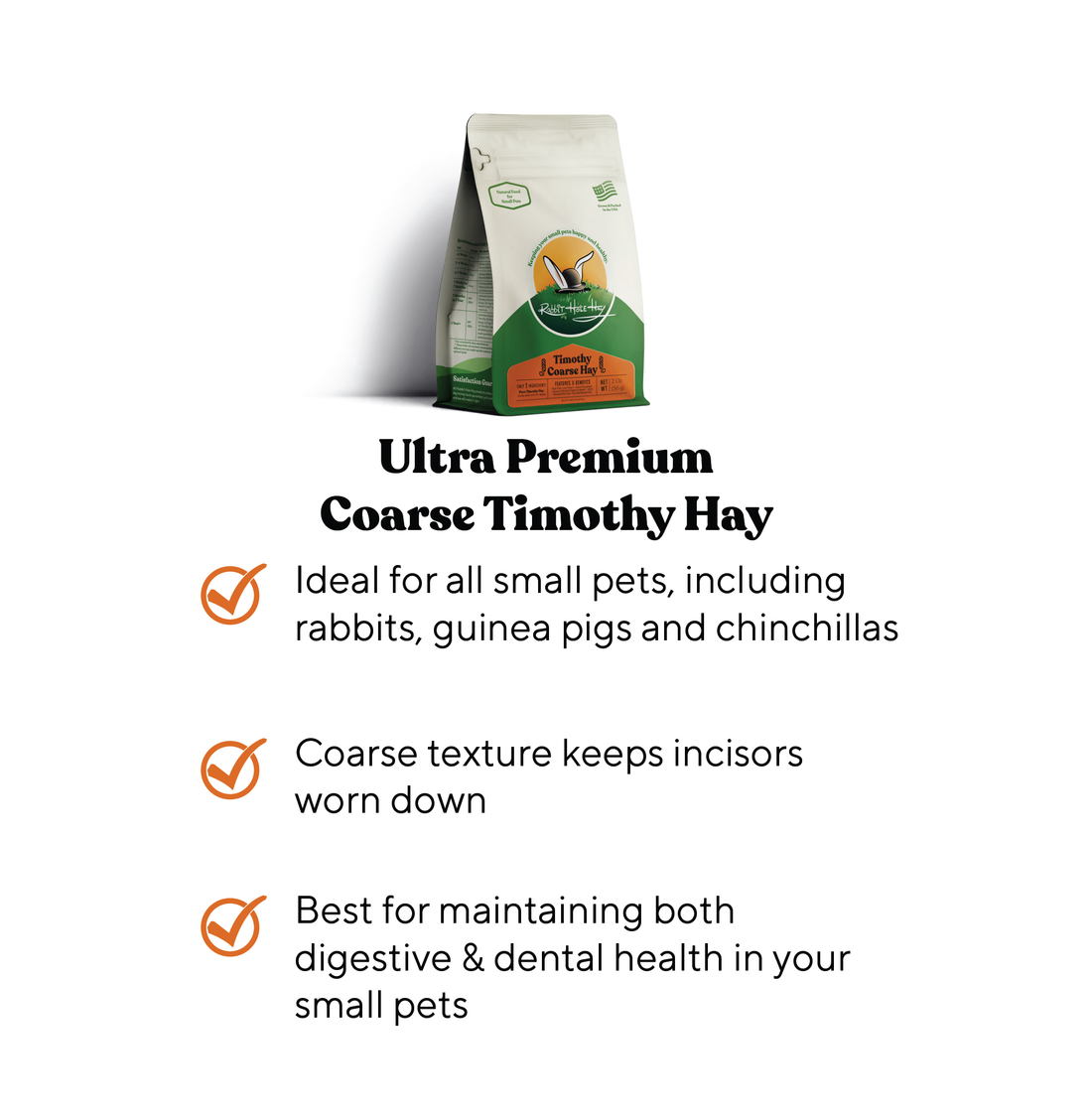
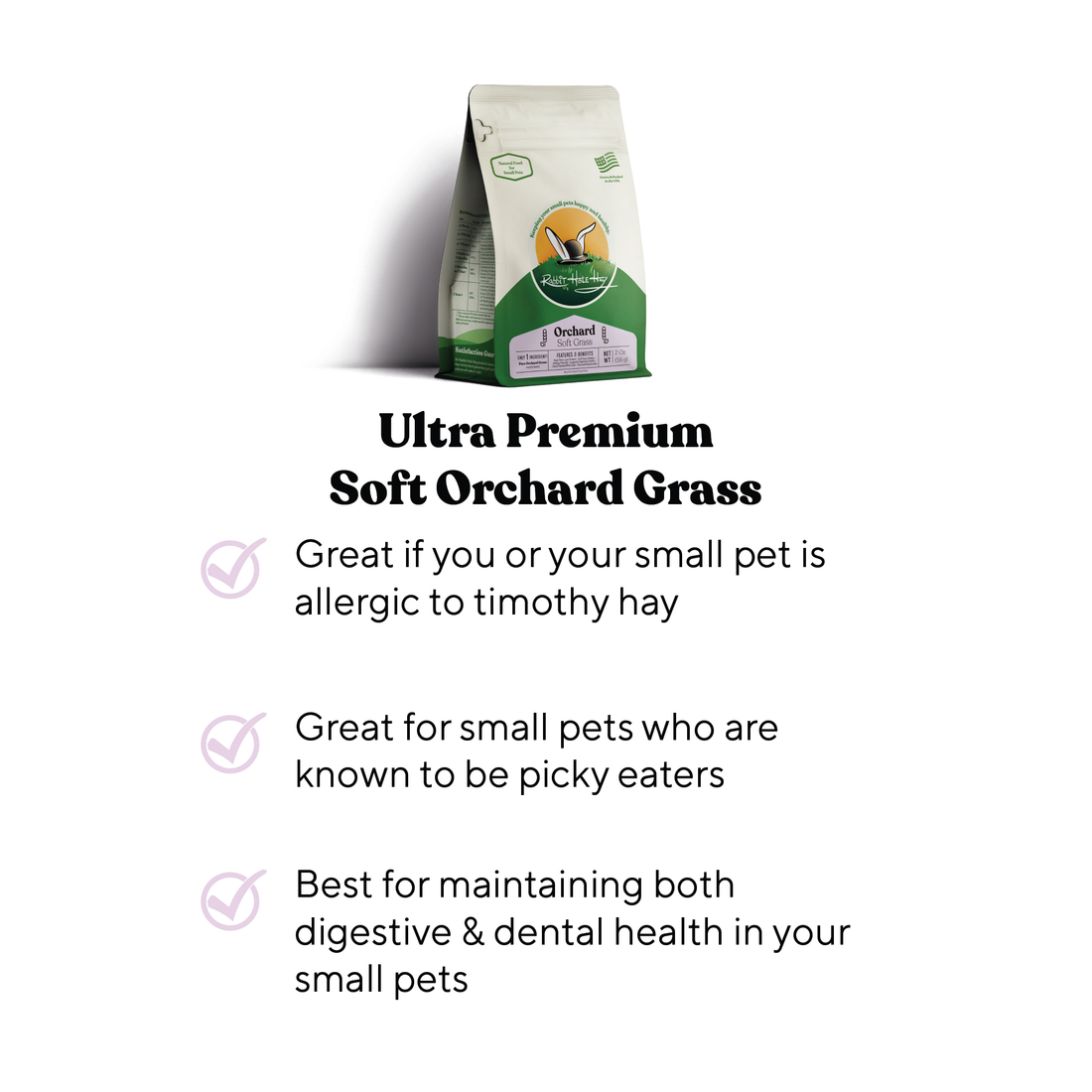
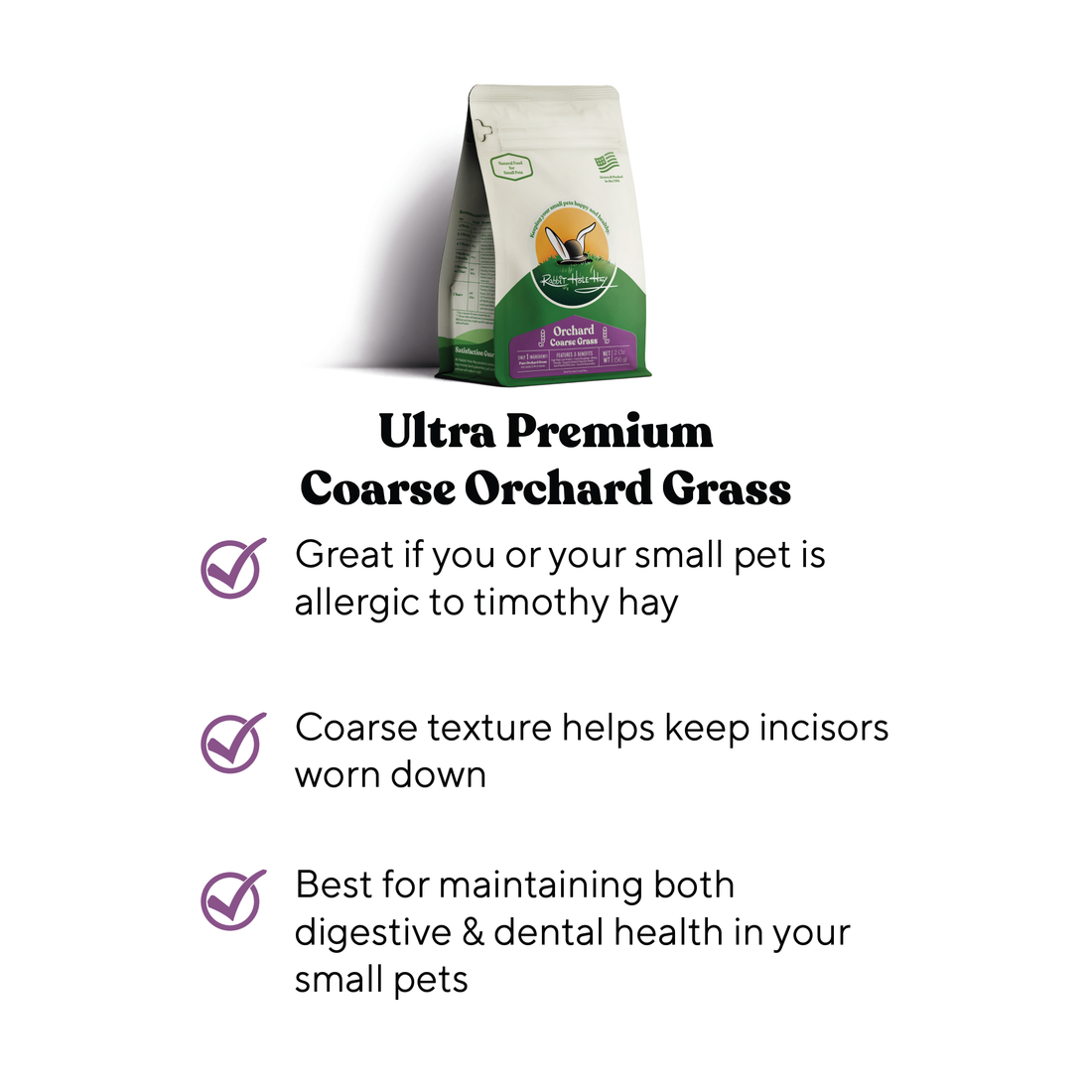
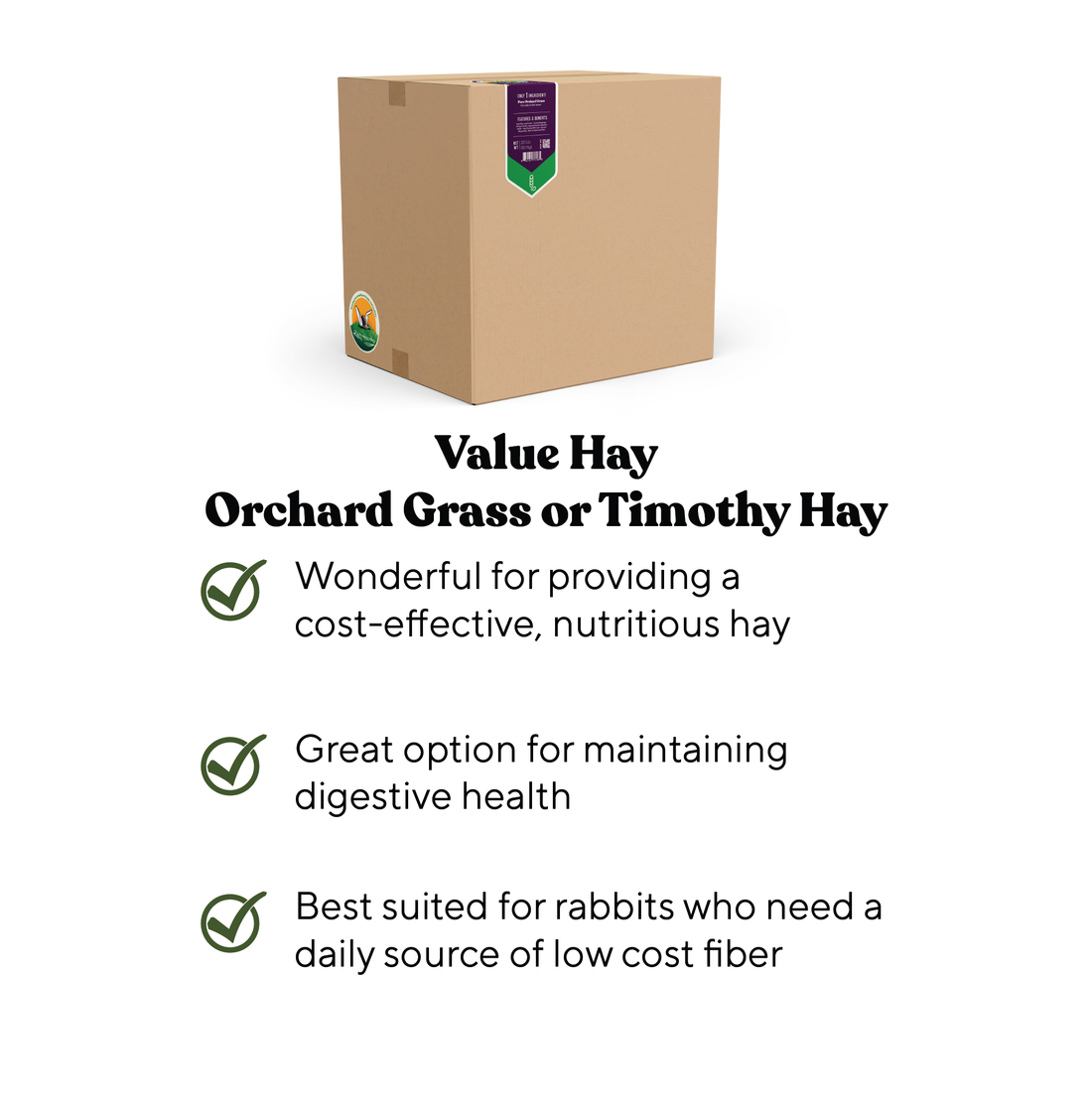
Timothy, orchard grass, mountain grass, and oat hay are the everyday living-area staples. Timothy comes in coarse, medium, and soft cuts—many picky adults prefer one texture and ignore the others. Orchard is a gentler alternative when Timothy seems dusty or hard on sensitive teeth. Mixing two grass hays in the same corner often wakes up a bored eater without turning dinner into a puzzle.
Alfalfa for Growing or Special Cases
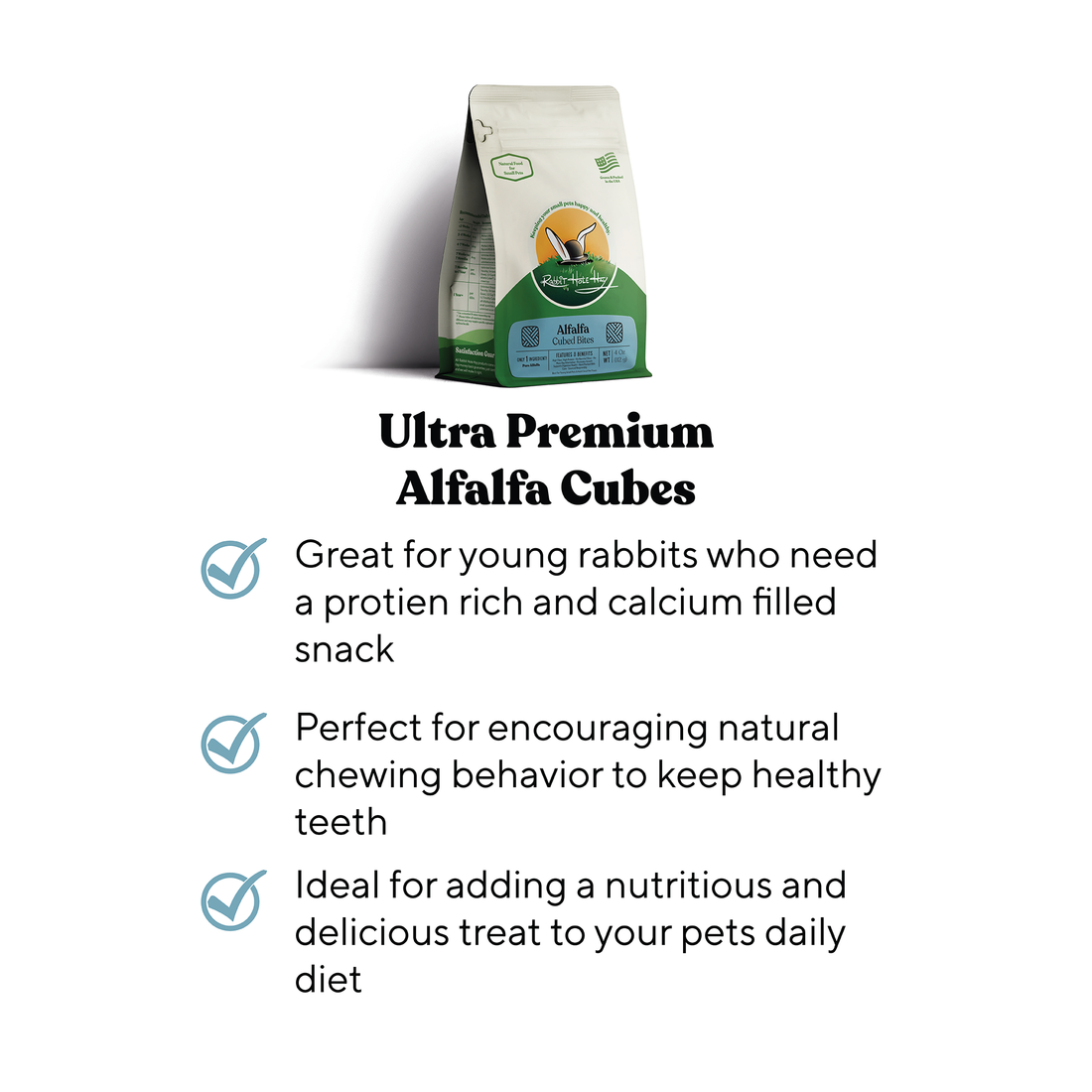
Alfalfa is richer in calories and calcium. It fits young rabbits (often under about seven months), guinea pigs still growing, chinchillas under about a year, and nursing moms when a vet agrees. It is usually the wrong default topper for healthy adults living in a small pen—too much can tip weight and urinary risk. Transition toward grass hay as they mature rather than running alfalfa forever because the bag was on sale.
Stock the right life-stage hay, keep it dry, and keep it within reach. For full diet balance beyond placement, use our guide to understanding your rabbit’s diet.
How Do You Keep Hay Fresh Near the Pen?
The bag next to the enclosure matters as much as the pile inside it. Store hay cool and dry, out of direct sun, in a breathable bag or box—not sealed plastic that traps humidity. Pull only what you need for a day or two so the open bag does not sit steaming beside a warm radiator.
Smell and look before you pour. Musty, damp, or dusty hay does not belong in a living area where your rabbit breathes and digs all day. If you buy in bulk, rotate so older hay gets used first. Practical storage habits are covered in our guide to keeping bunny food fresh.
How Does Hay Work With Bedding and Water?
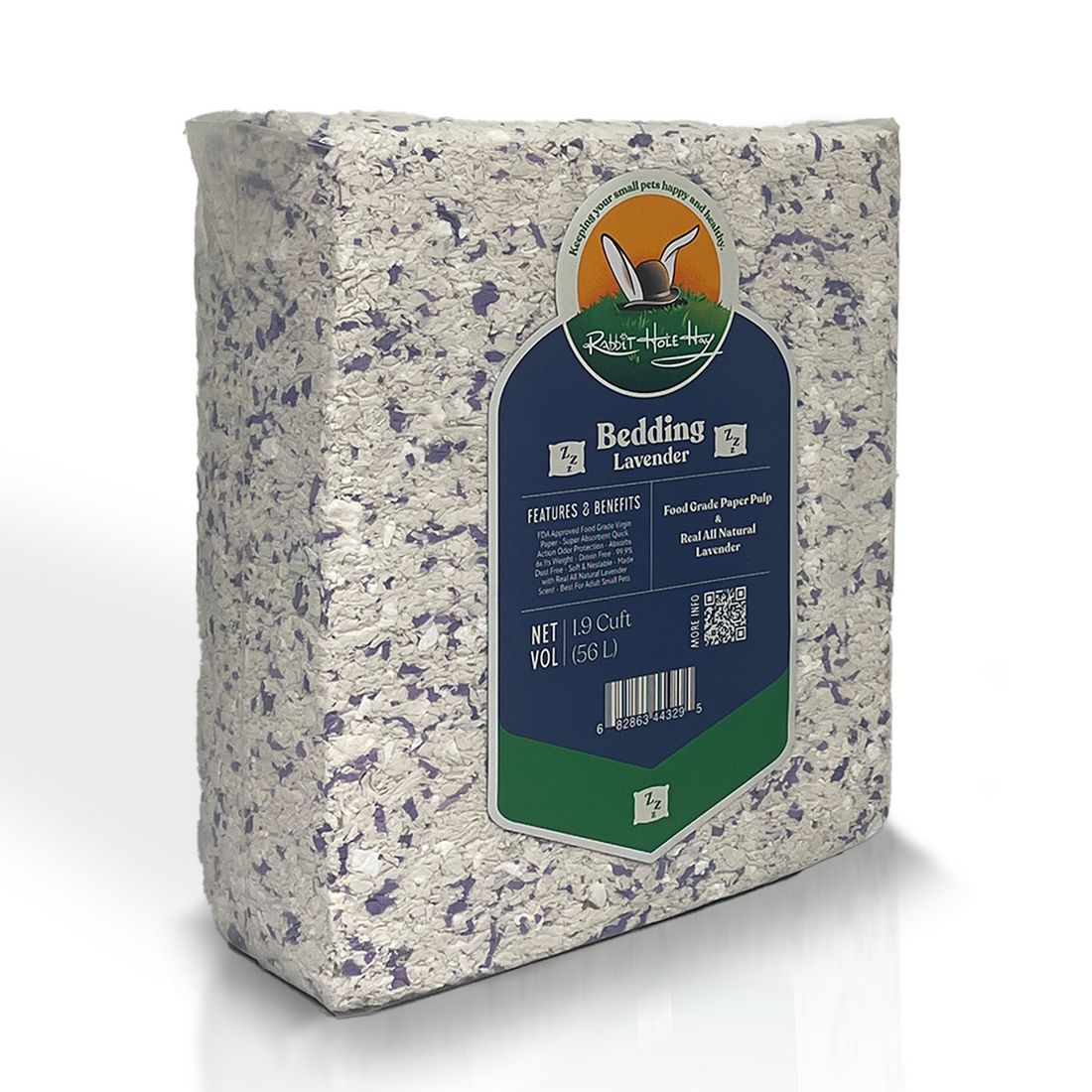
Hay is the edible top layer, not the whole floor system. It does not absorb urine well. Pair it with a real absorbent base and a soft middle layer so feet stay dry while they nibble. That is the same three-job thinking as our bedding guide—hay covers the “eat here” job.
Watch the water station too. A splashy bowl can soak the hay pile overnight; a bottle tip dripping into the rack does the same. Either style can work if you keep splash and hay apart—our bowl vs bottle guide helps you pick, then place, so the hay stays food. Housing layout cues also show up in the House Rabbit Society housing guidance.
Key Takeaways for Hay in a Rabbit Living Area
Keep grass hay available all day in the living area, not as a once-a-day snack bowl.
Place the main pile where your rabbit already sits and eliminates, usually the litter corner, plus a dry backup.
Use grass hay for most adults; save alfalfa for growing kits, nursing moms, or vet-directed cases.
Refresh soiled hay daily and store the open bag cool, dry, and breathable.
Treat hay as the edible top layer over real absorbent bedding, and keep water splash off the pile.
If the pen looks tidy but the hay rack is empty by noon, fix that first—space and toys matter less when the main job of the living area is missing. For nesting the hay zone inside a full habitat plan, see rabbit cage ideas, then stock a grass hay your rabbit will actually finish from our hay collection.





Comments