









































































Indoor rabbit enclosure layouts that work well are usually tall metal play pens, large dog crates used as open “bedrooms” attached to a pen, or a bunny-proofed closet or spare room—not the colorful starter cages on the small-pet aisle. You want open wire sides for airflow, a solid floor underfoot, and enough floor space for full hops, not a storage box with better branding.
If the pet-store cage already feels like a hallway closet with a water bottle, you are reading the room correctly. Expect a mix of size and placement basics, pen and crate layouts, room conversions, and gates—then chewing, litter, and hay once the walls make sense.

What Size and Ventilation Do Indoor Layouts Need?
Plan for floor space at least about four times your rabbit’s stretched-out size, and more when you can spare it. Larger breeds and busy Rex types burn through that minimum fast. Height matters too—they need room to stand fully upright without ears scraping a wire ceiling.
Skip solid plastic bins and glass aquariums as primary homes. They trap heat, urine smell, and ammonia against delicate airways. An open-sided wire frame with a solid base (fleece, washable mats, or a tray lined soft) keeps air moving while protecting feet from wire floors that can lead to sore hocks.
House Rabbit Society’s housing guidance and the RSPCA rabbit environment advice both treat space and solid flooring as basics, not upgrades. For sore-hock prevention detail, see HRS on sore hocks.
Where Should You Place the Enclosure?
Put the layout where people actually live—living room, home office, a quiet kitchen corner—so you notice small behavior shifts early. Rabbits hide illness well; a back bedroom you only visit at feeding time makes that harder to catch.
Keep them out of hours-long direct sun, cold drafts, and the blast zone of speakers or a busy hallway. Laundry rooms only work as full-time homes when washers and dryers are gone or never run—machine vibration reads like predator footsteps through the floor.
For the wider daily-care picture around housing, use our guide on how to care for a rabbit.
Do Pet Play Pens Work as Rabbit Enclosures?
Yes. Extra-large dog exercise pens are one of the most common indoor rabbit cage ideas that still scale past starter boxes. Metal grids chew better than plastic, fold when you move, and bend into squares, rectangles, or L-shapes around furniture.

Choose pens at least 30 inches tall. Shorter walls are a standing invitation for a single clean jump. Check for sharp wire ends and flimsy plastic clips before you trust the perimeter overnight.
Lay a waterproof layer under washable rugs or fleece so hardwood and carpet survive. Inside the pen, park a litter box, hay, water, and at least one hide so the layout has zones—not just empty floor. DIY grid condos in the spirit of the Brey family bunny condo add levels when you need height without shrinking the footprint.
Can a Large Dog Crate Be Part of the Layout?
A roomy dog crate works best as the bedroom half of a larger plan, not as the whole house. Pick something about 42 inches long for medium and large rabbits so they can stretch flat. Soft mats or fleece on the solid tray keep feet happy.
Many owners leave the crate door open and clip an exercise pen to the open side. Litter, hay, and quiet naps live in the crate; hopping and flopping happen in the pen. The crate still moves when you rearrange furniture, which a full room conversion cannot do.

Never treat the crate as 24-hour housing with no attached run or free-roam. Cramped footprints breed boredom, weight gain, and cage guarding that can look like a “mean” rabbit when the real problem is the floor plan.
What About Unused Rooms, Closets, and Laundry Spaces?
Spare rooms, deep closets, and quiet alcoves can become full habitats when you bunny-proof first. Cover cords, block gaps behind appliances, and keep toxic plants out of reach before you celebrate the square footage.
Converted Laundry Rooms
Tile floors clean easily, but only use an active laundry room if appliances stay off. Noise and floor vibration stress prey animals fast. Block gaps, cover outlets, and set clear zones for litter, hay, rest, and chew toys so the room is not one big open hazard.
Windows need a shade plan—curtains or a portable fan help when afternoon sun turns the space into a hot box.
Closets and Alcoves
Remove the door or lock it open. Mat the floor, then use low shelves or storage cubes to split litter, food and water, and lounging. A baby gate or pen panel across the opening keeps airflow and sightlines without sealing them into a dark box.
Sliding doors that can slam shut are a hard fail—prop them open or take them off.
Unused Bedrooms
A spare bedroom is the luxury layout: full free-roam inside four walls, with a gate or barrier at the door so the rest of the house stays human territory. Low bookshelves and cube storage break sightlines so rabbits can duck and hop onto platforms.
Stabilize furniture, hide cords, and rabbit-proof baseboards before overnight freedom. For chewing that migrates to carpet and molding, our notes on stopping carpet chewing cover the proofing side of room layouts.

When Do X-Pens, Baby Gates, and Room Dividers Help?
Gates and short pen runs carve “semi-free” zones when you are not ready for whole-house roam. Block a hallway, a living-room corner, or a doorway so daytime space grows without giving up every baseboard in the house.
Prefer vertical-slat or solid panels—horizontal rungs turn into ladders. Pressure-mounted wood or metal gates beat flimsy plastic. Rabbits squeeze through gaps you would swear were too small, so check spacing at floor level with a flashlight once, not after the first escape.
This middle ground suits newly adopted rabbits still learning the map, or apartments where a full spare room is fantasy.
What Else Does a Habitat Need Beyond Layout?
Floor plan is only half the job. A working habitat also needs chew-safe outlets so furniture is not the main project, a litter box paired with hay, fresh water, and a hide for sudden noises.
For space rules, chewing, litter habits, and the essentials walkthrough, use our guide to what habitat setup a rabbit needs for space, chewing, and litter habits. For the item checklist itself, see what should be on a safe rabbit cage setup checklist.
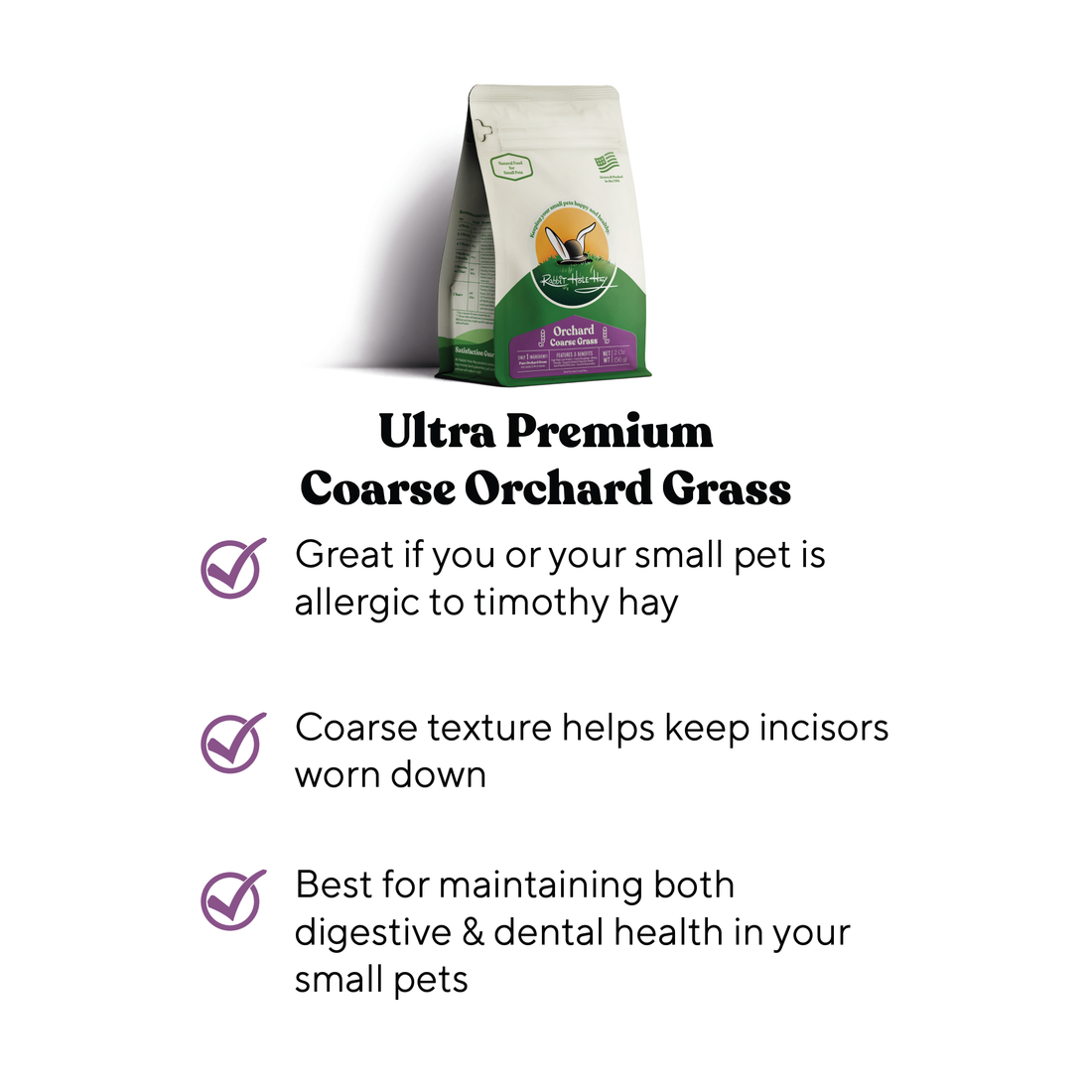
Keep grass hay—Timothy hay or orchard grass for most adults—available all day inside the layout so the enclosure feeds the gut, not just the tidy corner in photos.
Key Takeaways for Rabbit Cage Ideas
Build around pens, crate-plus-pen combos, or bunny-proofed rooms with open ventilation and solid floors. Pet-store starter cages almost never hit hop room or upright height on their own.
Place the layout where you can watch them, then grow daytime space with gates when a full free-roam room is not ready. Once the walls are set, finish the habitat details—chewing, litter-plus-hay, water, and hides—so the floor plan actually works as a home.





Comments