





















































































Rabbits are captivating creatures with many unique physical features. Their powerful legs, for instance, allow them to hop, dig, and even communicate through thumping. But there’s one question that often leaves rabbit owners puzzled: do rabbits have paw pads like cats or dogs?
Click Here to Shop Rabbit Products.

The answer is no. Rabbits do not have paw pads. Instead, their feet are covered in thick fur that acts as a cushion and provides protection. While this may sound like a minor detail, it plays a significant role in how rabbits live and how we care for them. Let’s explore the fascinating anatomy of rabbit feet and learn what makes them different from other pets.
Do Rabbits Have Paw Pads? Here’s the Straight Answer
To address the central question, rabbits do not have paw pads like cats or dogs. Instead, the bottom of their feet is covered with a dense layer of fur. This fur cushions their feet, protecting them from rough surfaces and cold temperatures. Beneath the fur, their feet consist of skin, tendons, and bones designed to support their active lifestyles.
Rabbits’ fur-covered feet serve as a natural adaptation for their environment. Wild rabbits spend most of their time on soft soil, grass, or burrows, where paw pads would not be as necessary. However, domesticated rabbits often live on harder surfaces, which can pose challenges for their feet. This distinction is vital for rabbit owners, as it influences how we care for these adorable pets.
The Anatomy of Rabbit Feet
To fully appreciate why rabbits lack paw pads, it helps to understand their foot anatomy. Each part of a rabbit’s foot is uniquely adapted to its needs:

1. Fur-Covered Soles
The dense fur on a rabbit’s feet serves multiple purposes. It acts as a cushion, reducing the impact when they hop or land. It also provides insulation, keeping their feet warm in cold weather. However, this fur can wear down on rough or unsuitable surfaces, exposing the sensitive skin underneath.
2. Bones and Joints
Rabbits’ feet are long and slender, with bones and joints built for agility. Their powerful hind legs contain strong muscles that enable them to leap great distances, while their smaller front feet help with balance and digging.
3. Nails
Rabbits have sharp, strong nails on their front and hind feet. These nails are essential for digging and gripping surfaces. Regular trimming is necessary to prevent overgrowth, which can lead to discomfort and injuries.
Why Don’t Rabbits Have Paw Pads?
Rabbits’ lack of paw pads is an evolutionary adaptation to their natural environment. In the wild, rabbits live in habitats with soft terrain, such as grassy fields, forests, and burrows. Their fur-covered feet are perfectly suited to these conditions, offering the right balance of protection and flexibility. Paw pads, which are more rigid, would not provide the same benefits in these environments.
Domesticated rabbits, however, often live on harder surfaces like tile or wood. These surfaces are less forgiving, making it crucial for owners to create a suitable environment to protect their rabbits’ feet.
How Rabbits Use Their Feet
A rabbit’s feet are multifunctional, serving purposes beyond just mobility. Here’s how rabbits rely on their unique feet in daily life:
1. Hopping
Rabbits are built for speed and agility. Their powerful hind legs allow them to hop quickly, covering large distances in a single leap. This ability is essential for escaping predators in the wild and staying active as pets.
2. Digging
Rabbits use their front feet to dig burrows, which serve as shelter and protection. Even pet rabbits retain this instinct, often digging at carpets, blankets, or in outdoor spaces.
3. Communication
Thumping is a well-known rabbit behavior where they hit the ground with their hind feet. This action can signal danger or express frustration. It’s an essential part of their communication, both in the wild and as pets.
Common Foot Problems in Rabbits
While their fur-covered feet provide natural protection, rabbits are not immune to foot-related problems. Here are some common issues to watch for:
1. Sore Hocks (Pododermatitis)
Sore hocks occur when the fur on a rabbit’s feet wears away, exposing the skin to irritation and injury. This condition can lead to pain, swelling, and infection. Causes include wire-bottom cages, rough surfaces, and poor hygiene.
2. Overgrown Nails
Rabbits’ nails grow continuously, and without regular trimming, they can become too long. This can make it difficult for rabbits to walk or cause their nails to break, leading to discomfort.
3. Injuries
Rabbits’ feet are delicate and can be injured by sharp objects or unsuitable surfaces. Cuts, abrasions, and sprains are common if their living area is not properly maintained.
How to Protect Your Rabbit’s Feet
As a rabbit owner, you can take several steps to keep your rabbit’s feet healthy and comfortable:
-
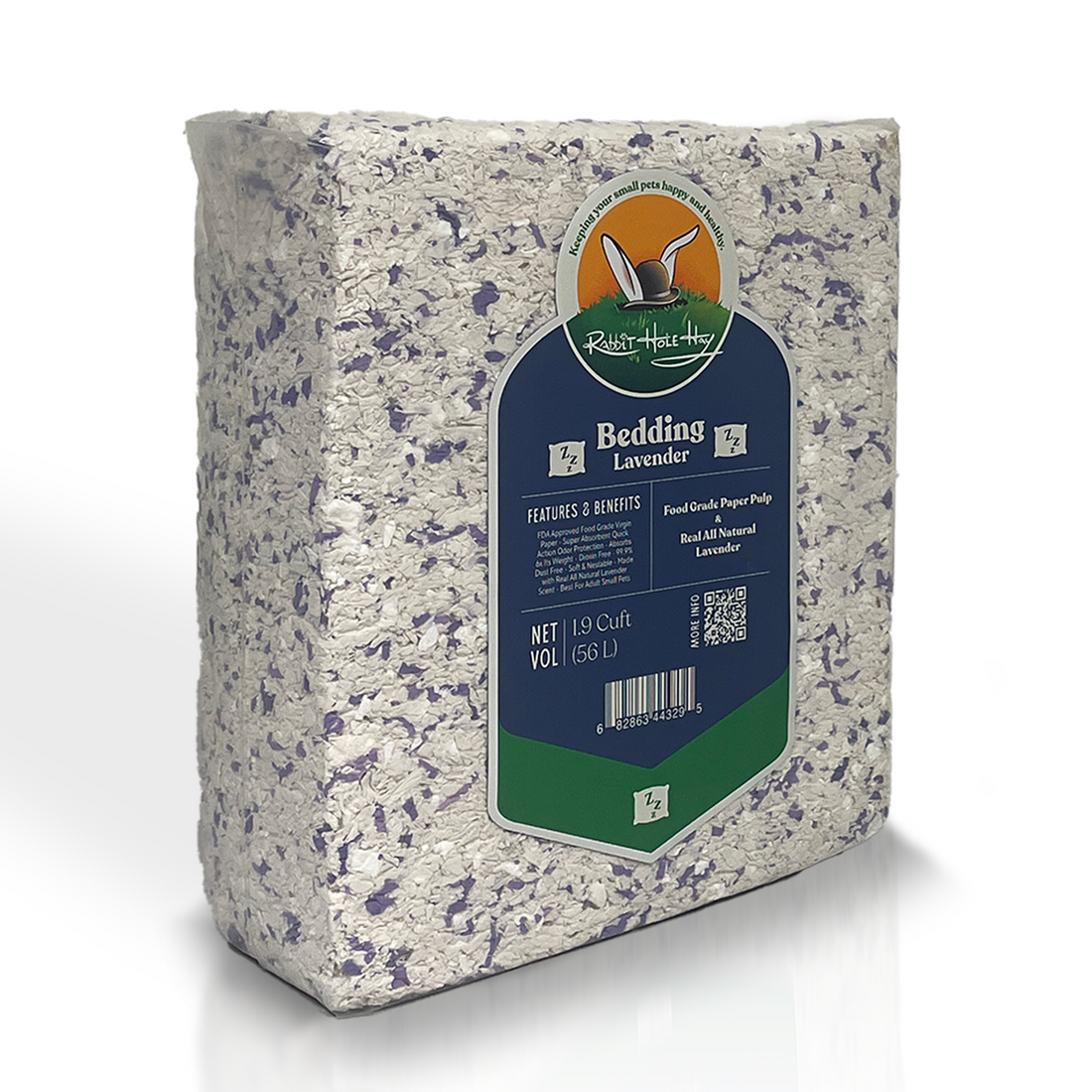
Provide Soft Bedding: Use materials like fleece blankets, grass mats, or paper-based bedding to cushion your rabbit’s feet.
-
Avoid Wire Floors: If your rabbit’s cage has a wire bottom, cover it with a solid surface or soft padding to prevent foot injuries.
-
Trim Nails Regularly: Keep your rabbit’s nails at a manageable length to prevent overgrowth and associated problems.
-
Maintain Clean Living Spaces: Regularly clean your rabbit’s enclosure to reduce the risk of infections or irritation.
-
Inspect Their Feet: Check your rabbit’s feet for signs of redness, swelling, or fur loss. Early detection can prevent serious issues.
Key Takeaways
So, do rabbits have paw pads? No, they don’t. Their fur-covered feet serve as a natural adaptation for their environment, providing cushioning and insulation. While this works well in the wild, it requires special attention in domestic settings to ensure their comfort and health.
For more tips on rabbit care, explore our guide to creating the ideal litter box. It’s a helpful resource for maintaining hygiene and comfort for your rabbit.

You can also find additional insights in resources like this guide to rabbit care. For new rabbit owners, our Rabbit Starter Kit is a must-have, offering everything you need to know about raising a happy and healthy bunny.
By understanding your rabbit’s unique needs and taking proactive steps to protect their feet, you can ensure they live a comfortable and joyful life.





Comments