

















































Chocolate, avocado, onion-family foods, caffeine, many fruit pits and seeds, and starchy people food like bread and crackers are toxic or unsafe for rabbits. So are several foods that look healthy—iceberg lettuce, tomato leaves, rhubarb, and plenty of houseplants. Rabbits cannot vomit, so once something hits their gut, it stays there. That is why a curious nibble off your plate or a garden graze can turn serious fast.
If you are staring at a half-eaten scrap wondering whether to panic, start with hay as the safe baseline and treat everything else as suspect until you know it is rabbit-approved. Our Eating Guide sorts safe and never-feed items by name; below is the practical short list for your kitchen, treat drawer, and living room.

Next: the worst offenders, the sneaky hazards owners miss, what to feed instead, and when to call a vet—before you spend an hour on forums second-guessing yourself.
Why One Wrong Bite Matters More for Rabbits
Rabbits run on fiber. Their digestive tract is built to grind grass hay all day, not to process rich, sugary, or oily human food. Drop in the wrong ingredient—even a small piece—and you can trigger gas, diarrhea, or GI stasis.
Dogs and cats can vomit something back up. Rabbits do not—what goes in has to move through. Prevention is basically the whole job. When you want the full diet picture beyond the danger list, our hay-first nutrition guide lays out how hay, greens, and pellets should stack.
Which Kitchen Foods Are Toxic to Rabbits?
Some of the most dangerous items sit in ordinary kitchens. They do not come with warning labels for bunnies, but they can hit the heart, blood, or nervous system hard.
Avocado
Avocado flesh, skin, and pit contain persin, a fungicidal compound that can affect the heart and lungs. Severe cases can be fatal—keep guacamole bowls and compost piles off the floor.
Chocolate
Theobromine in chocolate hits the nervous and cardiovascular systems. Even a tiny nibble counts. Stash desserts, cocoa powder, and cocoa mulch where a bun cannot browse.
Onions, Garlic, and Chives
Alliums can damage red blood cells and cause anemia. Raw, cooked, powdered, or hidden in leftovers—the risk is the same.
Caffeine
Coffee, tea, and energy drinks are off limits. Caffeine can spike heart rate and leave a rabbit trembling or panicked.
Iceberg Lettuce
Iceberg carries lactucarium, which can loosen stools and upset digestion. It also offers almost no fiber compared to romaine or parsley—skip it for daily greens.
Fruit Seeds and Pits
Apple, cherry, peach, and pear seeds contain cyanogenic compounds. The fruit flesh is fine in small amounts—core and pit first.
Bread, Crackers, and Other Starchy Foods
Rabbits need fiber, not starch. Bread, pasta, and crackers can push weight up and crowd out hay—the part of the diet that actually keeps the gut moving.
Human Snacks and Processed Treats
Cookies, chips, cereal bars, and most packaged people food pack sugar, salt, and preservatives rabbits should not eat. Even a sweet lick from your fingers can start stomach trouble.
For a longer reference, browse this poisonous foods list and the never-feed foods that are not toxic but still inappropriate day to day.
What "Healthy" Foods Can Still Hurt Rabbits?
The scary stuff is not always candy in a wrapper. Garden greens, houseplants, and foods you limit rather than ban can still land a rabbit in trouble.

Tomato leaves and stems: The red fruit is okay in small amounts, but green parts contain solanine.
Rhubarb: High oxalic acid can damage kidneys.
Potato peels and green potatoes: Nightshade family—same caution as tomato greens.
Houseplants: Philodendrons, lilies, aloe, and many common indoor plants are toxic. Bored rabbits nibble what is within reach.
When a food is "mostly safe" in tiny doses but risky in piles, see our guide on foods to limit—not ban—pellets, fruit, carrots, and yard plants that crowd out hay.
House Rabbit Society poisonous plants list is worth bookmarking if your rabbit has garden or house access.
What Should I Feed Instead of Risky Scraps?
Once you know what to dodge, meal planning gets simpler. Center the day on hay, add measured greens, and treat everything else as garnish.
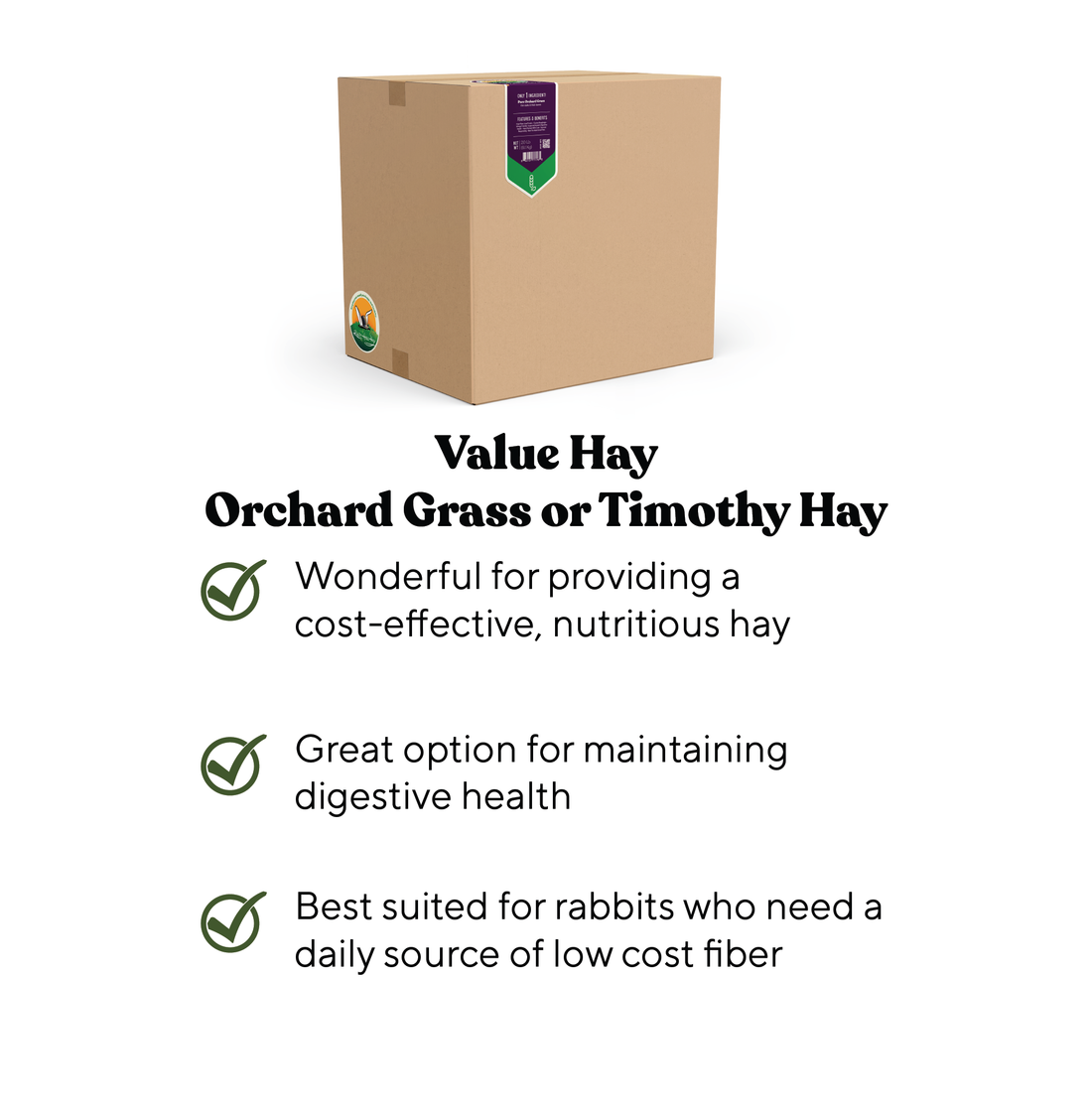
High-Quality Hay
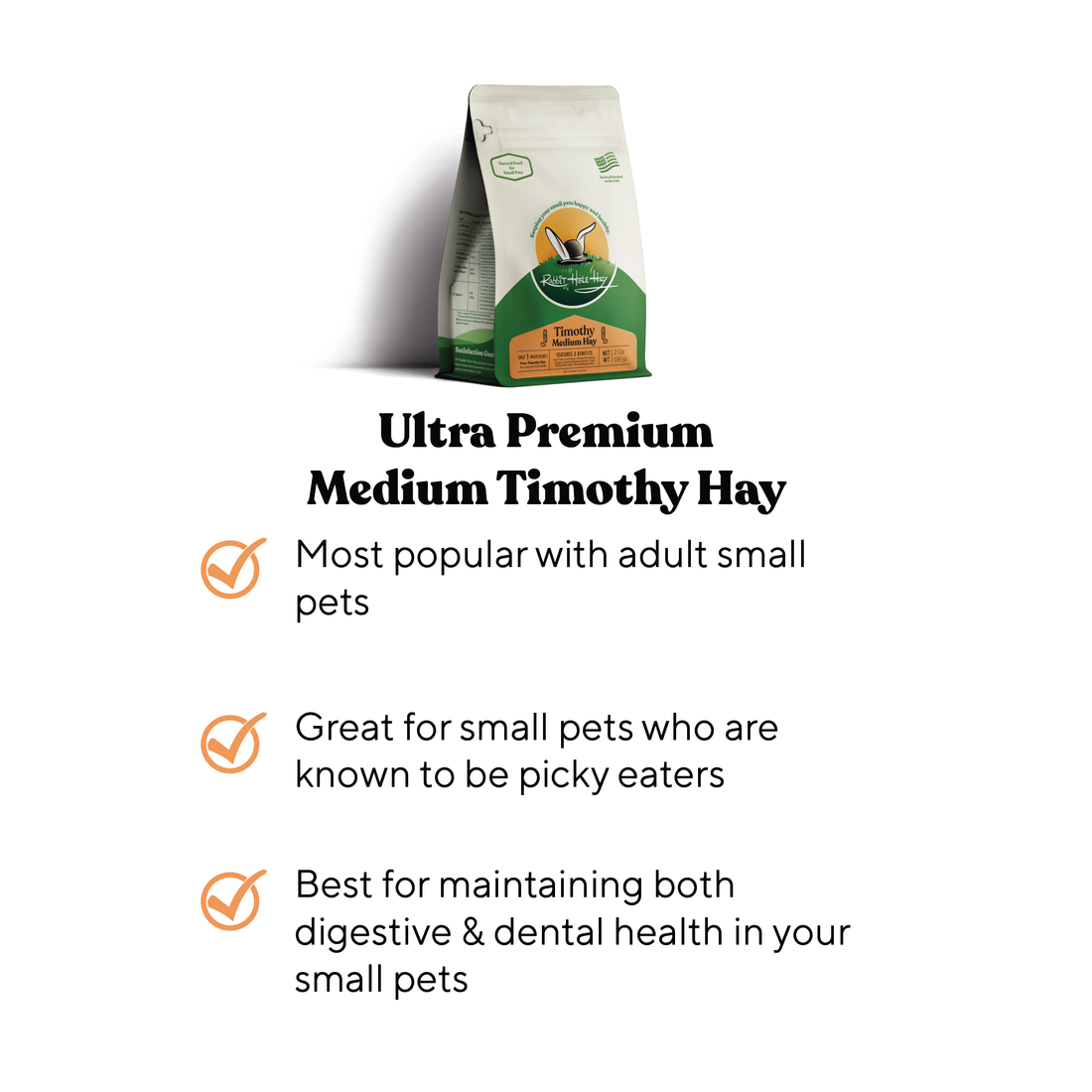
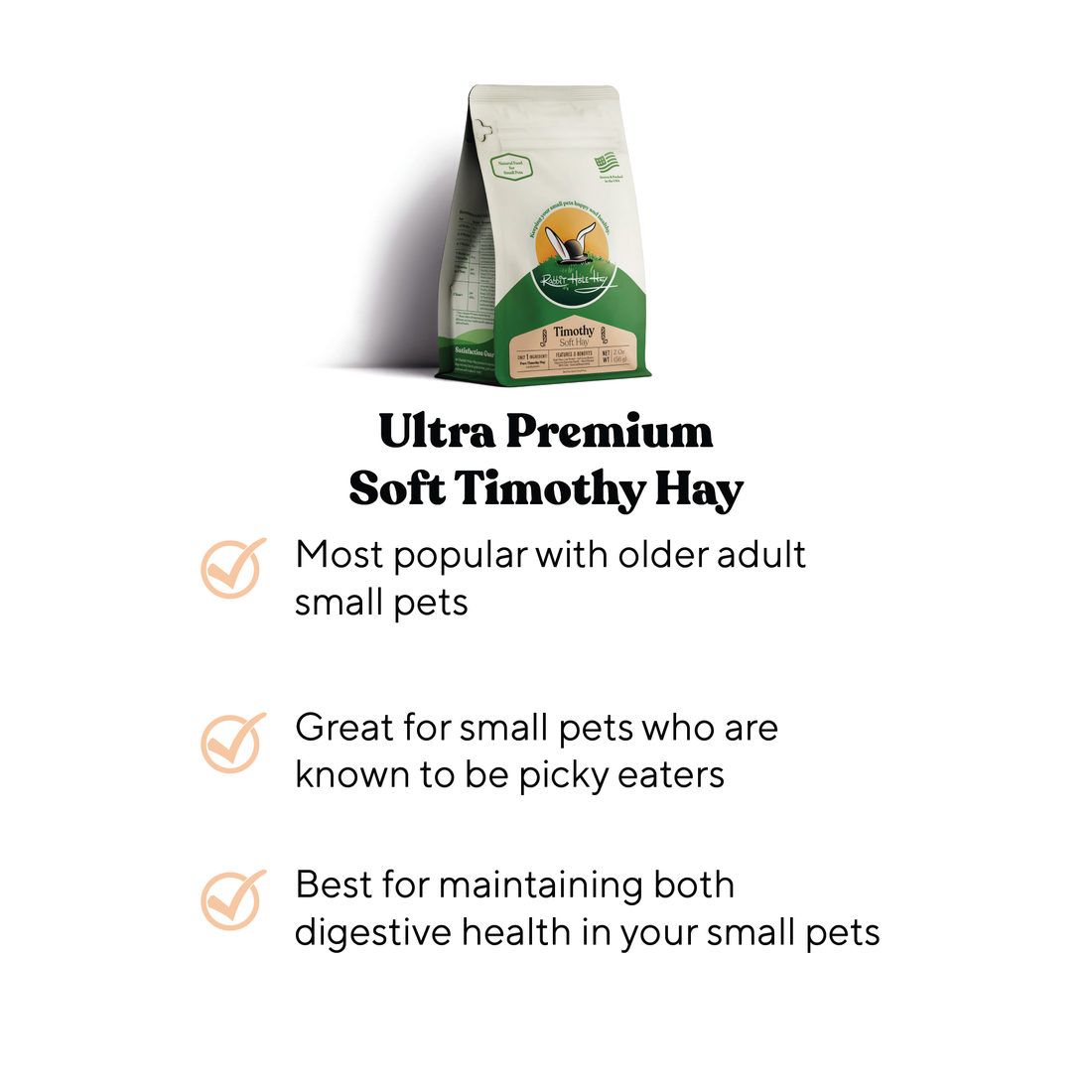
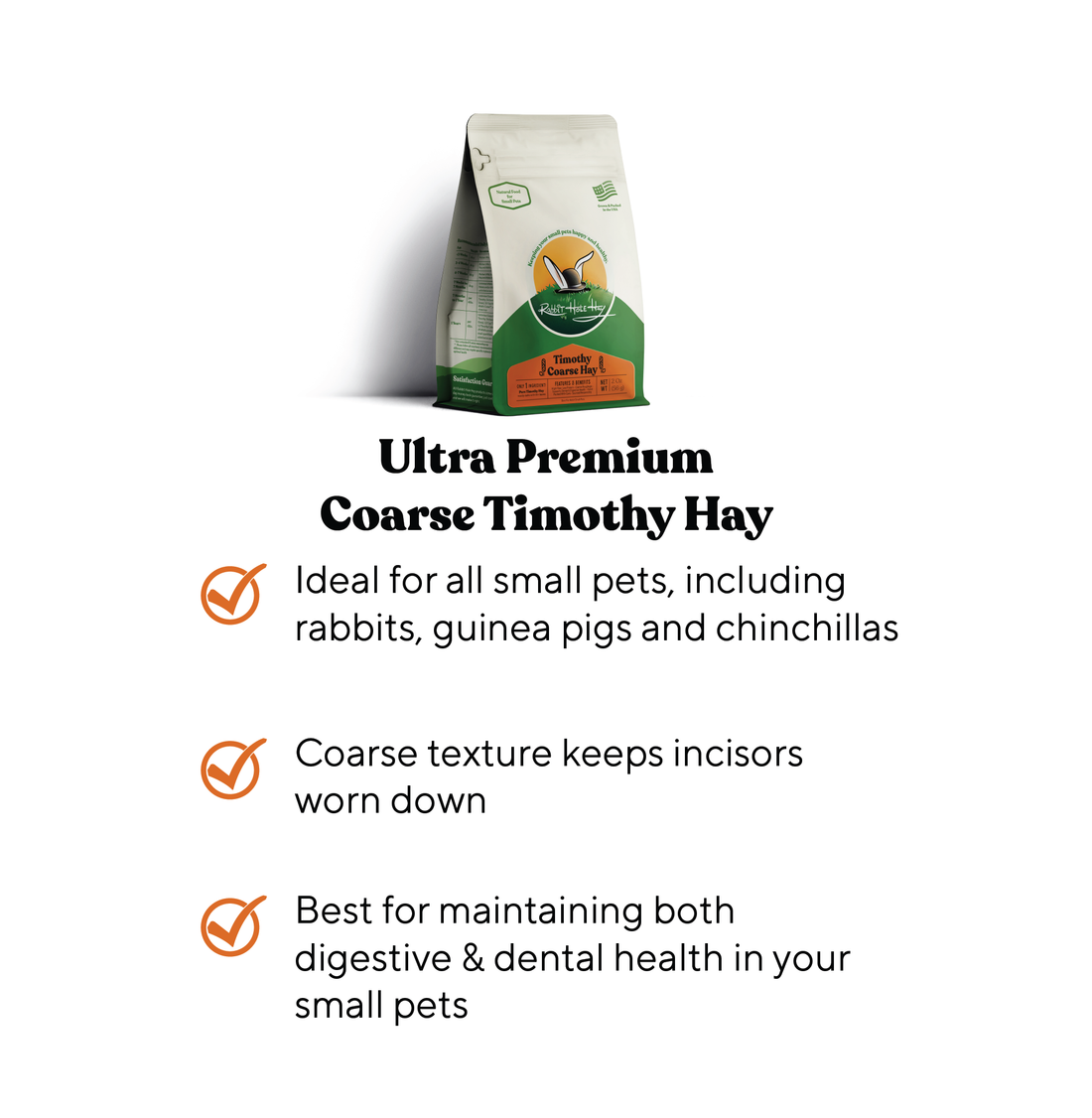
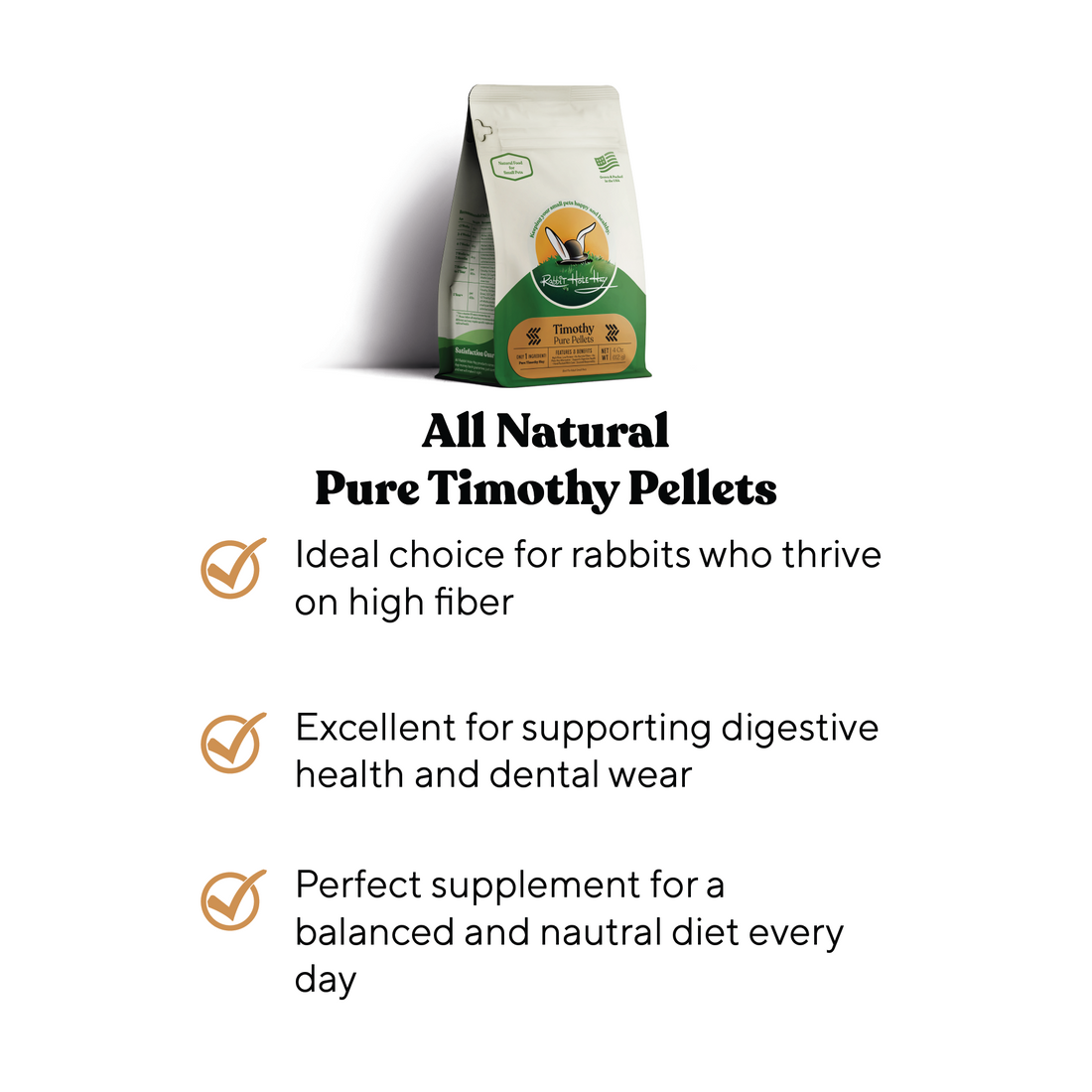
Timothy hay is the standard for most adult rabbits—fiber for the gut and wear for constantly growing teeth. Our Timothy hay guide explains why owners notice the difference when the rack stays full.
Fresh Leafy Greens
Romaine, cilantro, basil, beet greens, and dandelion leaves work well. Rotate types instead of serving the same green every single day.
Vegetables in Moderation
Bell peppers, cucumber, zucchini, and carrots (small doses) are common picks. Introduce one new veggie at a time and watch droppings for a day or two.
Fruits as Occasional Treats
Limit fruit to about 1–2 tablespoons per 5 pounds of body weight. Banana slices, strawberries, and seeded apple pieces are popular—always remove pits and seeds.
Pellets (With Limits)
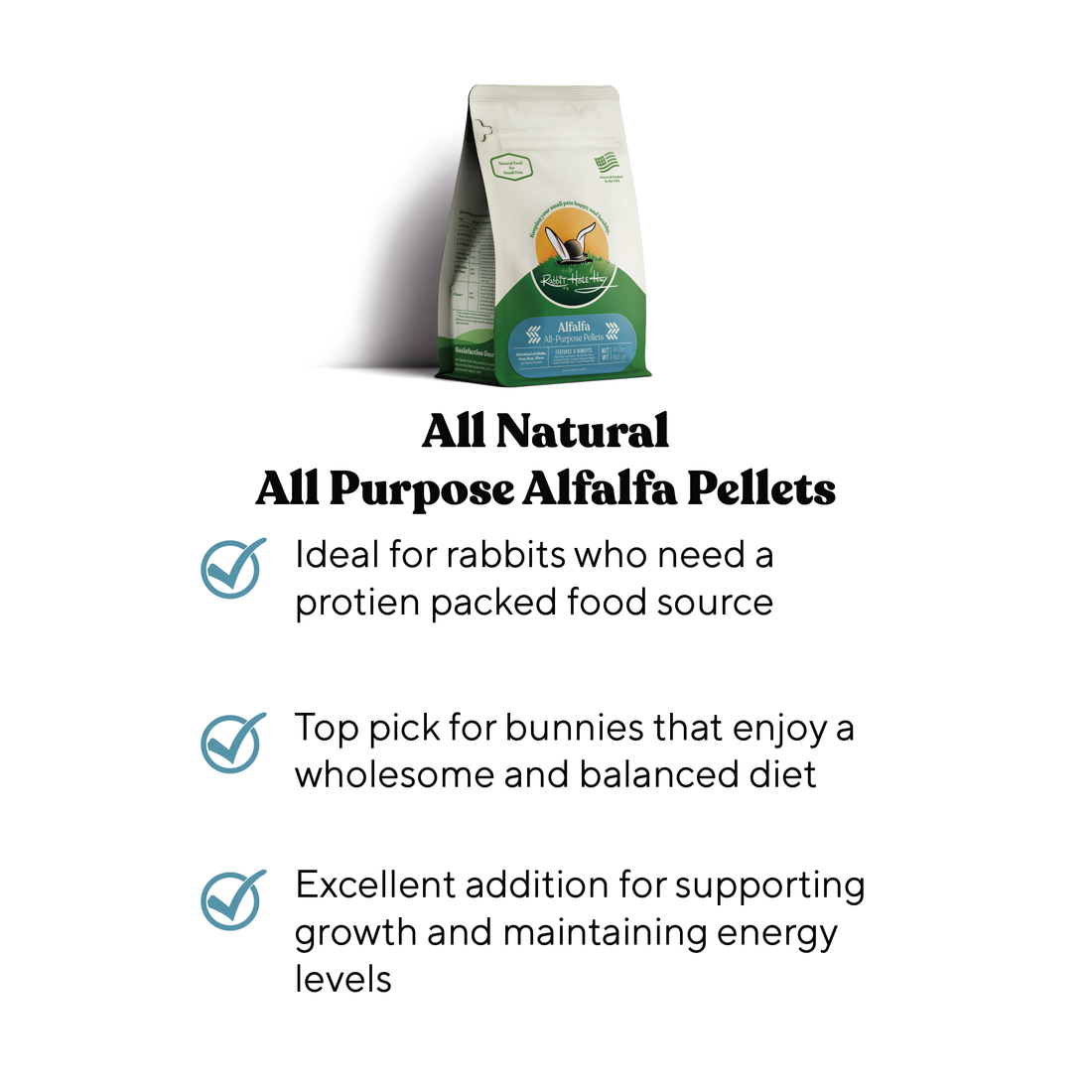
Choose plain, high-fiber pellets made for rabbits. Skip mixes with dried fruit, seeds, or colorful bits—treats belong separate from the pellet bowl.
Fresh Water
Clean water always, bowl or bottle—whichever your rabbit actually drinks from. Refresh it daily.
Our bunny food list sorts safe produce when you want specifics beyond this overview.
How Do I Choose Treats That Won't Cause Problems?
Treats are part of bonding—but store-bought rabbit snacks often hide sugar, yogurt drops, seeds, or artificial flavors that stack up over time.
Ingredients to Skip in Treats
Added sugars: Cane sugar, molasses, and corn syrup are unnecessary.
Dairy: Rabbits are herbivores—no milk, cheese, or yogurt-based treats.
Nuts and seeds: High fat, hard on digestion, and easy to overfeed.
Rabbit-Safe Treat Ideas
Dehydrated herbs: Mint, parsley, or basil in dried form smell great and stay simple.
Small oat bites: Rolled oats with safe fruit, baked in tiny portions.
Freeze-dried fruit: Sparingly—no added ingredients, still sugary.
For recipes you control ingredient by ingredient, see how to make homemade rabbit treats safely—and cross-check any new ingredient against the toxic list before you chop.
Why Do Rabbits Try to Eat Dangerous Foods?
A rabbit chewing something forbidden does not always mean they are starving. Boredom, curiosity, and plain chewing drive a lot of kitchen raids.

Common Triggers for Unsafe Snacking
Boredom: Without daily stimulation, rabbits explore—including harmful objects.
Free access to kitchens or trash: Scraps and compost are accident magnets.
Sharing from your plate: One sympathetic crumb can become a habit.
How to Lower Risk at Home
Rabbit-proof cords, furniture edges, and trash zones.
Keep human food out of reach; eat away from beggars if your bun patrols the table.
Rotate toys and hay-based enrichment so chewing stays on safe targets.
What If My Rabbit Already Ate Something Toxic?
Do not wait for symptoms to "prove" it was bad. Call a rabbit-savvy vet or poison hotline right away—fast action beats guessing.
Our small-pet poison control guide covers numbers to save and what to tell the clinic when you are rattled. Bring the wrapper or plant name if you have it; even a photo of the item helps.
House Rabbit Society diet overview is a solid second reference when you are rebuilding meals after a scare.
Key Takeaways for Keeping Your Rabbit Safe
Never offer chocolate, avocado, onion-family foods, caffeine, iceberg lettuce, or starchy people food.
Watch hidden risks—tomato greens, rhubarb, potato peels, and houseplants—not just obvious junk food.
Build the day around hay, safe greens, and measured treats; everything else is optional and suspect.
You are the one who keeps guacamole bowls off the floor and the hay rack topped up. A short mental checklist and a bookmarked safe-food list make that doable—not a second career.
When you want the hay side of the equation spelled out by age and setup, our hay feeding tips guide walks through types, portions, and rack habits that keep buns eating what they should.




Comments