










































Sometimes it is a soft nibble while your rabbit grooms your fingers. Sometimes it is a sharp bite that breaks skin. Those are not the same message. Love nibbles are usually calm, gentle, and paired with licking. A real bite often comes with fear, pain, or a boundary you missed—and it deserves a different response.
If you are staring at your hand wondering what just happened, you are not alone. Rabbits do not bite to be mean for sport. They bite because something in the moment felt wrong, confusing, or painful. Your job is to sort out which kind of contact you got, fix what you can, and know when a rabbit-savvy vet needs to weigh in.

Is This a Love Nibble or a Real Bite?
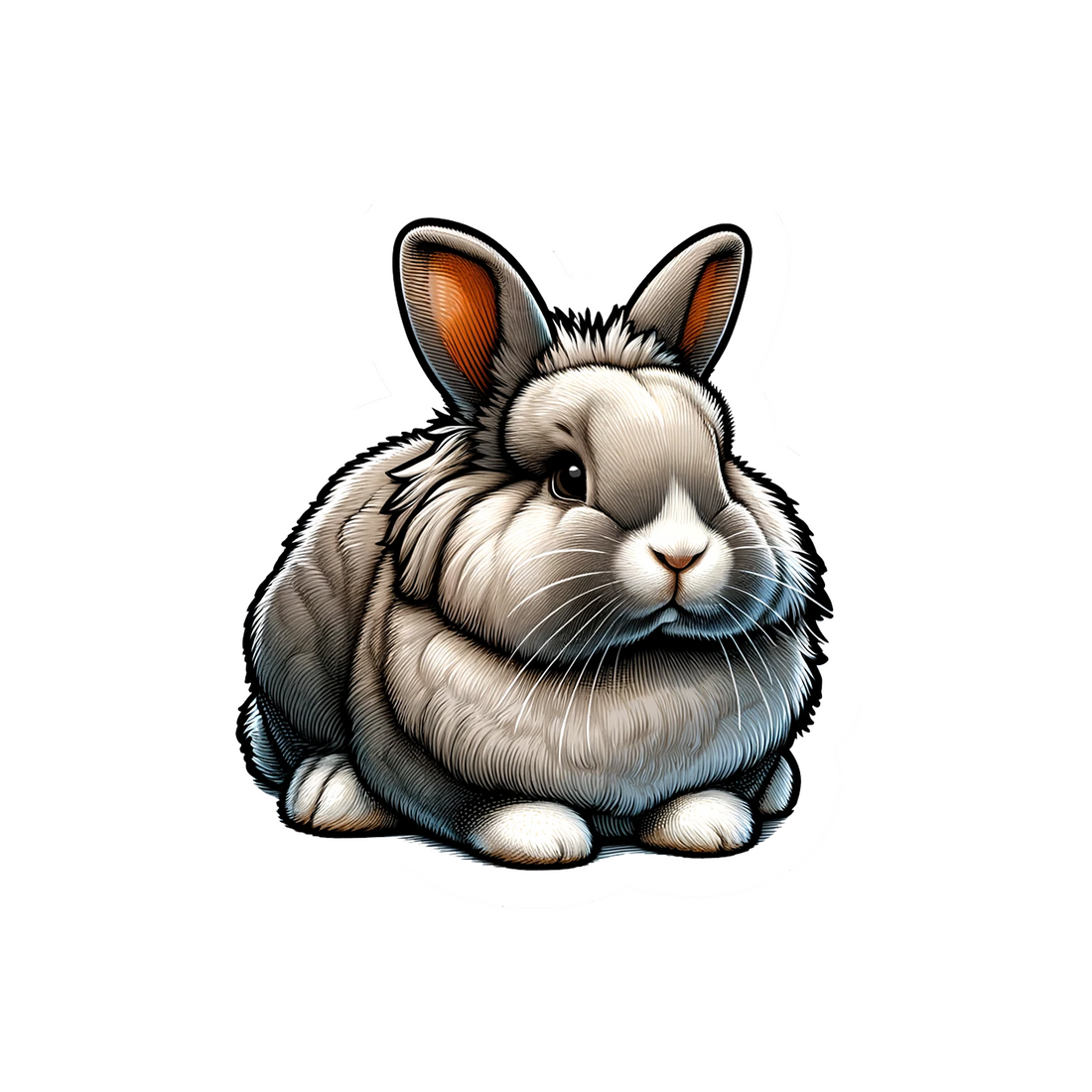
Grooming nibbles are how rabbits show care. Your bunny may lick your skin, then take a tiny nip—no break in the skin, no chase afterward. Eyes are often half-closed, posture relaxed, fur smooth. They are treating you like family with no fur to comb, so the “grooming” lands on your fingers or toes.
A real bite hurts on purpose, or lands hard enough that you jerk back. Watch for puffed fur, wide eyes, growling, repeated thumping, or lunging. If your rabbit bites harder when you touch one spot, assume pain until a vet says otherwise.
Use outcomes, not vibes: if everyone walks away calm and unmarked, it was probably affection. If you are bleeding, shouting, or afraid to reach in again, treat it as a bite event—not a quirky personality trait.
Why Does My Rabbit Bite Me?
Once you rule out grooming, the “why” usually falls into a short list.

Scent, food, and honest mistakes
Rabbit noses are sensitive. If you just ate tacos with your hands and did not wash up, your finger may smell like dinner. Young or undersocialized rabbits also nip while figuring out what moving hands are—keep treats in your palm, not wiggling fingertips in their blind spot.
Stress and environment
Rabbits notice chaos we tune out: loud TV, dirty litter, a new dog in the house, too much handling, boredom, or strong smells. Stress bites are often “get away from me” messages, not hatred. A vet check first, then a calmer routine, fixes more than scolding ever will.
False pregnancy and hormones
Some unspayed females get cranky when handled during a false pregnancy—the body acts pregnant without kits. It usually passes in a couple of weeks. Persistent snapping still deserves a vet conversation. Spay or neuter cuts down territory bites and mounting aggression for many house rabbits.
Territory and dominance
Unaltered rabbits may bite to guard a cage corner, litter box, or your lap as “theirs.” Multiple rabbits can have a top bun and still see you as part of the furniture to discipline. Fixing rabbits and giving two of everything—hay pile, water, hides—reduces a lot of this.
Hangry and diet frustration
Skimp on hay and your rabbit feels off—gut and mood. Unlimited grass hay is the baseline; pellets and greens fill in around it. A rabbit who is well fed on fiber is less likely to lash out over food anxiety.
Could Pain or Fear Be the Reason?
Pain bites are warnings: “Do not touch there.” Dental issues, sore joints, or belly pain can turn a sweet rabbit sharp overnight. If touching one area always triggers a bite, book a vet visit before you label them aggressive.
Fear bites come from startle, bad past handling, or not enough trust yet. Indicators include repeated thumping, squealing, puffed fur, and wide eyes that do not soften. One thump can mean excitement; thump-thump-thump while backing away usually means afraid or furious.
Threat biting—baring teeth without contact—still counts as a boundary. Back off, lower your voice, and let them choose to approach you later.
Aggression, Past Trauma, and Handling Triggers
Rescued rabbits may have learned that humans grab, cage, or hurt. Sensitivity is not spite. Common flash points:
Being picked up when they wanted floor time
Reaching into the cage without a hello
Vet trips or forced nail trims
Putting them away when they were exploring
For deeper aggression patterns, the House Rabbit Society aggression guide is worth bookmarking. Our overview of rabbit behavior at home helps you read thumps, nose flicks, and flat ears before teeth come out.
What Should I Do Right After a Bite?
Wash broken skin with soap and warm water; bandage if needed. Do not swat or yell—rabbits do not learn from punishment the way dogs might, and you will only teach them that hands are dangerous.
A short, high “eep” can mark that they hurt you, then calmly step away. Note when and where it happened: during feeding, in the cage, while pregnant, after a loud noise. Patterns tell you the fix.
For step-by-step first aid, trust rebuilding, grooming setups, and when to call a behavior specialist, see our full guide on what to do when your rabbit bites during handling or grooming. Shy buns may also benefit from helping a rabbit become more friendly at their pace.
Key Takeaways
Soft nibbles with licking are often grooming love bites; hard bites with stress body language need a different plan.
Check pain, fear, hormones, territory, diet, and scent on your hands before blaming attitude.
Stay calm after a bite, log the pattern, and use vet + behavior resources when bites stay severe.
Biting rarely fixes itself with hope. It fixes with hay on the floor, predictable routines, respectful handling, and patience. When diet is part of the mood puzzle, our hay-first rabbit diet guide walks through what steady fiber does for gut health and day-to-day calm—not just what goes in the bowl.





Comments