

















































As a rabbit owner, providing your pet with the right food is one of the most important aspects of care. Rabbits' specific dietary needs depend on high-quality hay, fresh vegetables, and pellets to keep them healthy and thriving. But finding the best rabbit food isn't always easy. You might wonder, "Where can I buy rabbit food that’s both nutritious and affordable?" This guide is here to help.

In this article, we'll walk you through everything you need to know about choosing the right rabbit food. From why hay is the foundation of your rabbit’s diet to the convenience of subscription services, you’ll learn how to ensure your rabbit gets the best nutrition. We’ll also cover the benefits of buying from trusted suppliers like RabbitHoleHay.com, helping you find the perfect balance between quality and convenience for your pet. Whether you’re a first-time rabbit owner or looking to improve your rabbit’s diet, this guide has all the tips to make informed choices.
Why High-Quality Hay is Essential for Your Rabbit's Health
Hay is not just a part of your rabbit's diet—it's the foundation of their health. Rabbits need hay to stay healthy, as it provides the essential nutrients they rely on. But why is hay so important, and how can choosing high-quality hay improve your rabbit's life? This section will cover why hay is vital, its benefits, and the risks of low-quality options.
Hay: The Key to Your Rabbit's Diet
Rabbits have a unique digestive system that depends on fiber. In the wild, they graze on grasses packed with fiber and low in calories. Hay mimics this natural diet, giving them the fiber their systems need. It keeps their digestion moving smoothly and helps prevent health problems like gastrointestinal (GI) stasis.
GI stasis is a serious condition where the digestive system slows down or stops. It can be caused by a lack of fiber in your rabbit's diet. Food doesn't move through the intestines as it should without enough fiber, causing painful gas and blockages. Hay helps prevent this by encouraging regular digestion. It also supports dental health by helping to wear down a rabbit's constantly growing teeth.
The Best Hay Options for Your Rabbit
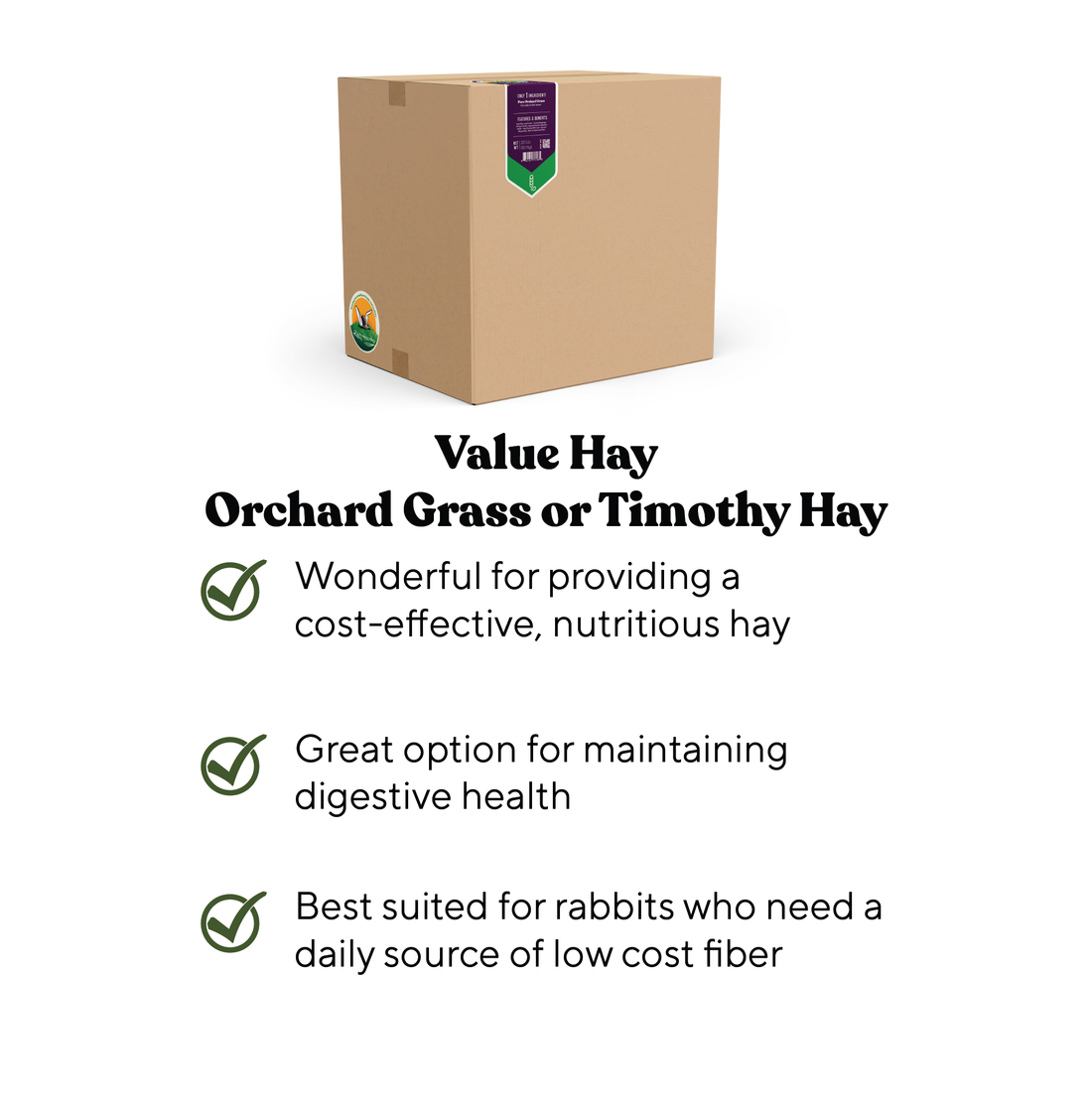
Not all hay is the same. Each type has its own benefits, depending on your rabbit's needs. Timothy Hay is the most popular choice for adult rabbits. It's high in fiber and low in calcium and calories, making it perfect for maintaining a healthy weight and digestive system. If you're wondering, "Where can I buy rabbit food like Timothy Hay?" RabbitHoleHay.com offers fresh, high-quality hay delivered to your door.

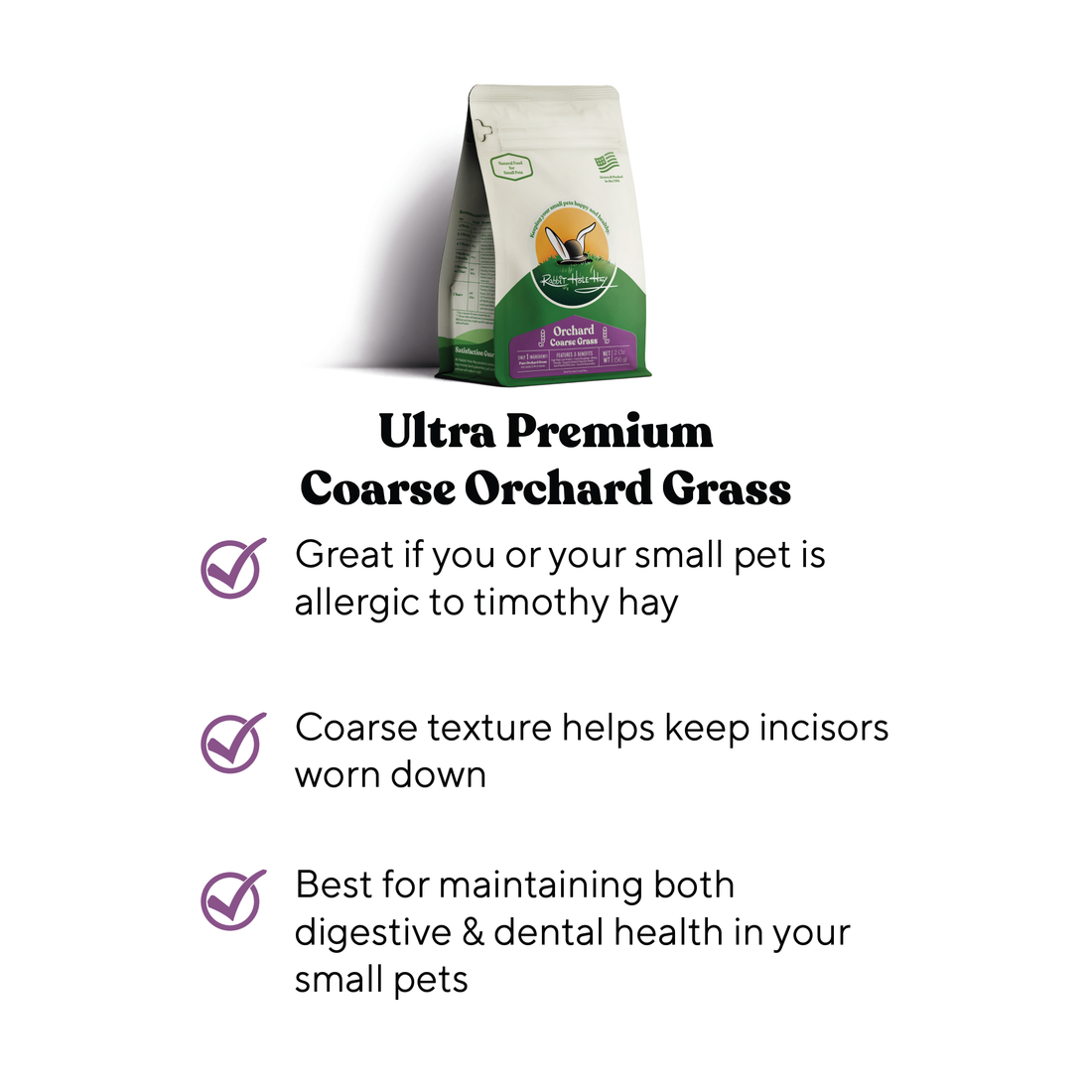
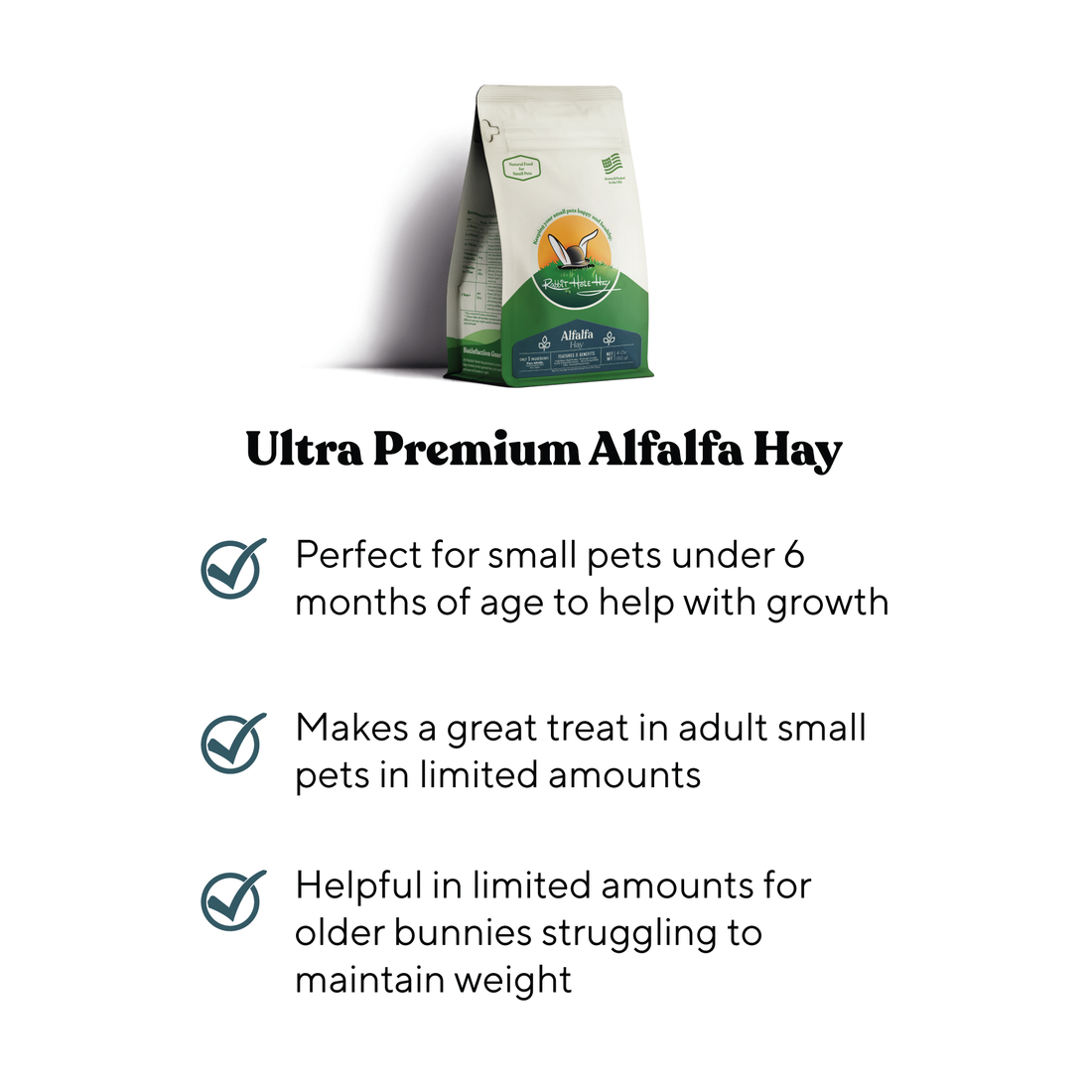
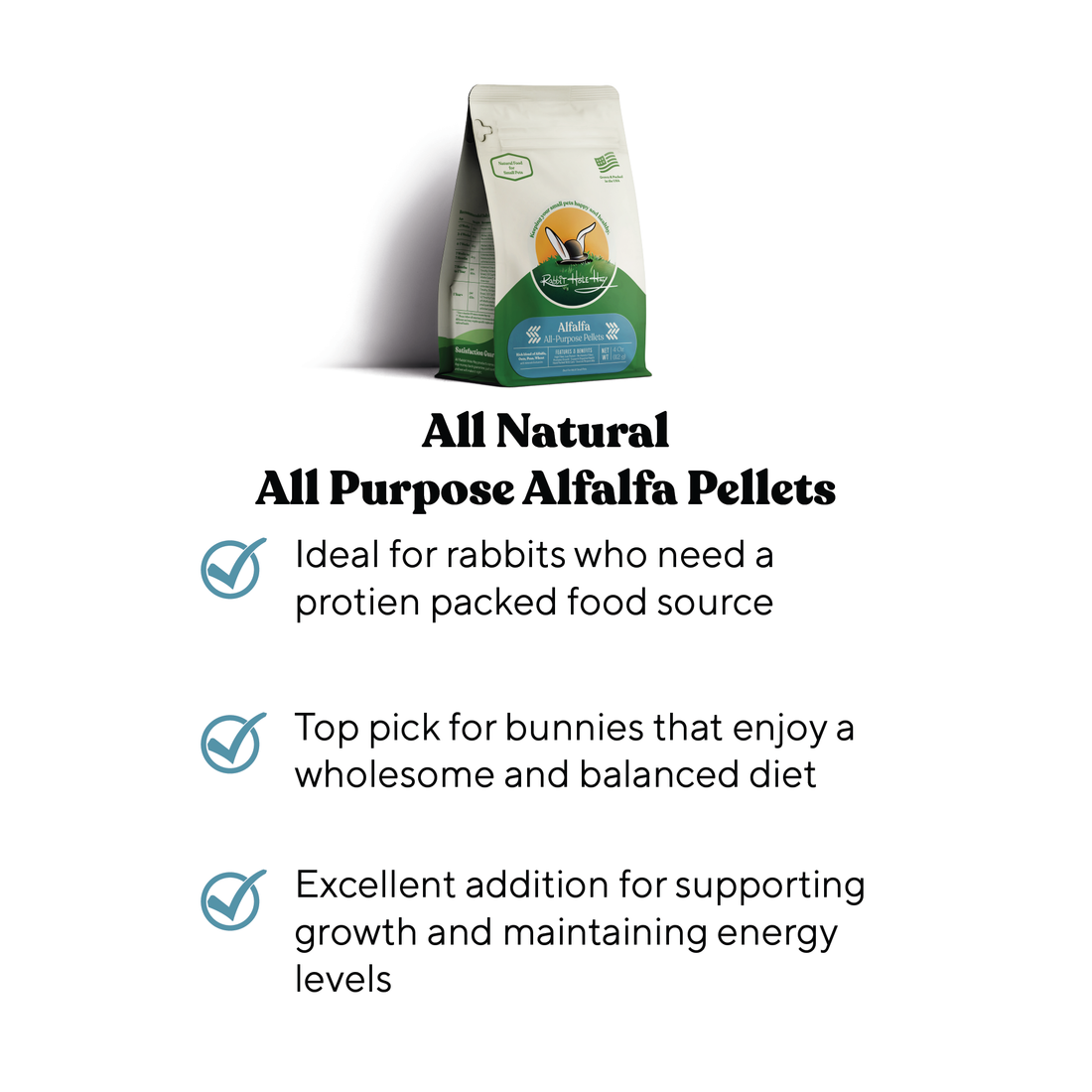
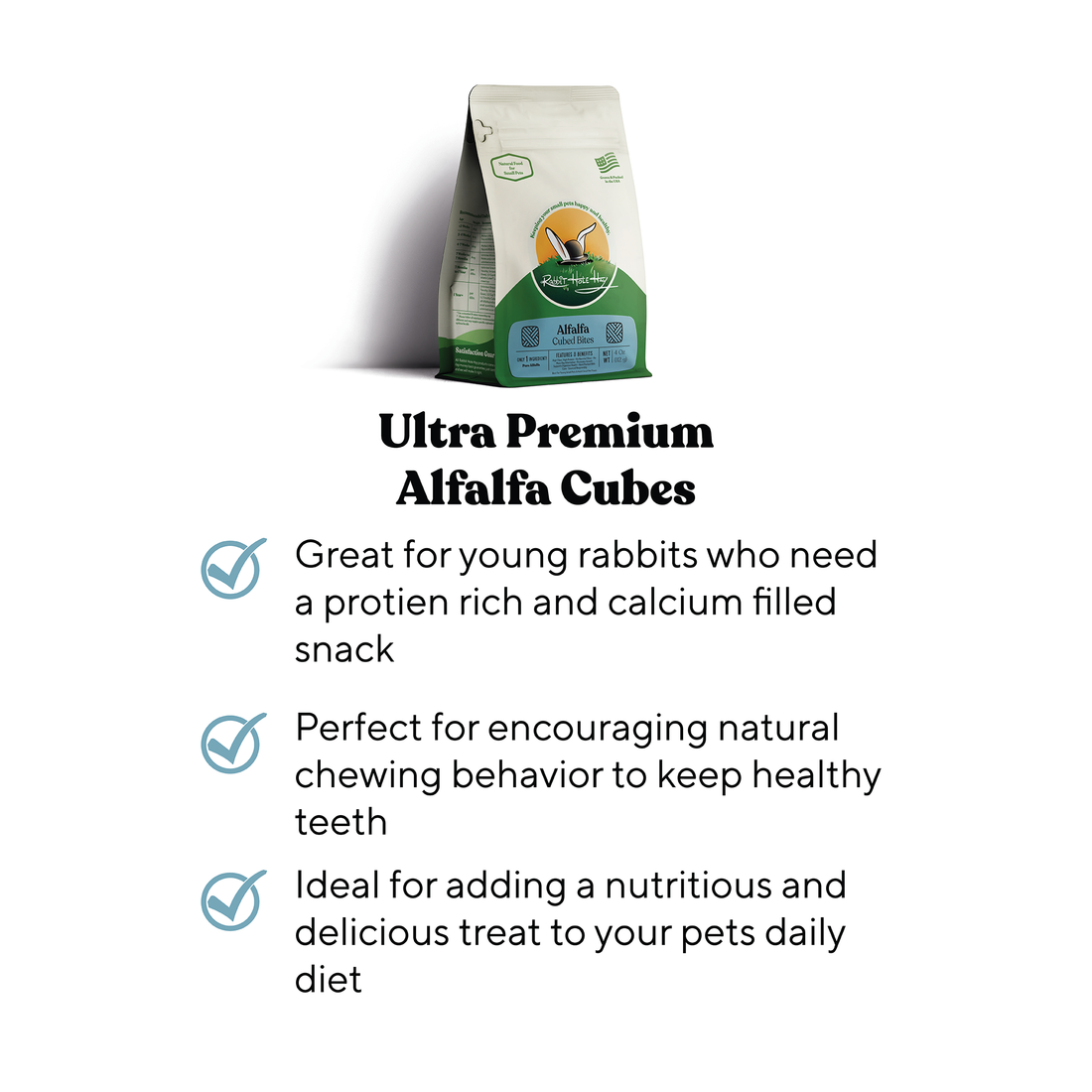
Orchard Grass Hay is another great option, especially for picky eaters. It has a softer texture and sweet aroma that many rabbits love. It still offers the fiber they need while being gentler on their teeth. For young rabbits or nursing mothers, Alfalfa Hay provides extra protein and calcium to support growth.
The Risks of Low-Quality Hay
Not all hay is created equal. Low-quality hay can pose serious risks to your rabbit's health. Dusty or moldy hay can cause respiratory problems, as rabbits have sensitive lungs. Dusty hay can irritate their airways, while moldy hay can lead to lung infections. Always avoid feeding your rabbit poor-quality hay. Instead, choose trusted suppliers like RabbitHoleHay.com, where the hay is inspected to ensure it's clean and fresh.
Low-quality hay may also lack the nutrients your rabbit needs. If the hay doesn't have enough fiber, it can lead to digestive issues. That's why buying from a reliable source is important. If you're wondering, "Where can I buy rabbit food that's safe and nutritious?" RabbitHoleHay.com offers only high-fiber, fresh hay to support your rabbit's digestion and dental health.
Keeping Hay Available All Day
Rabbits are natural grazers. This means they eat small amounts of food throughout the day. Because hay is the foundation of their diet, they should always have access to it. Unlimited hay helps their digestion and keeps them busy, preventing boredom and destructive chewing behaviors.
At RabbitHoleHay.com, we make it easy to ensure your rabbit always has hay on hand. Our subscription service allows you to set up regular deliveries, so you never run out. You'll always have fresh hay ready for your rabbit, ensuring they get the daily fiber they need to stay healthy.
Why RabbitHoleHay.com is the Best Source for Hay
When buying hay for your rabbit, quality and convenience matter. RabbitHoleHay.com specializes in premium hay for small pets. Each batch of hay is hand-sorted to remove dust and debris, ensuring only the best hay for your rabbit. Unlike hay that sits in stores, our hay is packed fresh and shipped directly to you.
Shopping online with RabbitHoleHay.com is also convenient. You can order high-quality hay without leaving home; our subscription service ensures you never have to worry about running out. With fresh hay delivered straight to your door, RabbitHoleHay.com is the answer to the question, "Where can I buy rabbit food that's fresh and convenient?"
Choosing the Right Hay for Your Rabbit
Timothy Hay is the best choice for most adult rabbits. It provides the fiber and nutrients they need for healthy digestion and teeth. Orchard Grass Hay is a great alternative if your rabbit prefers something softer. Alfalfa Hay can support growth for younger rabbits, but it should be limited as they age. The type of hay you choose can greatly impact your rabbit's health, so it's important to select the right one for their needs.
At RabbitHoleHay.com, we offer a variety of hay types, ensuring you can find what's best for your rabbit. Our detailed descriptions and customer reviews make it easy to make the right choice. If you've been wondering, "Where can I buy rabbit food that meets my rabbit's needs?" look no further than RabbitHoleHay.com.
The Long-Term Benefits of High-Quality Hay
Feeding your rabbit high-quality hay is one of the best ways to support their long-term health. It improves digestion, keeps their teeth in check, and helps them stay active and happy. Over time, you'll see the difference in their coat, teeth, and energy levels. High-quality hay also prevents common health issues like GI stasis and dental problems, saving you money on vet bills in the long run.
When you choose RabbitHoleHay.com, you're investing in your rabbit's well-being. We provide fresh, nutritious hay, ensuring your rabbit gets the best care. Our convenient subscription service makes it easy for you to keep your rabbit happy and healthy without the hassle.

Different Types of Rabbit Hay: Which One is Best?
With so many types of hay available, choosing the right one for your rabbit can feel overwhelming. Each variety of hay has a unique blend of nutrients, fiber content, and texture that can affect your rabbit's overall health. In this section, we'll explore the most common types of hay and help you determine which one might be best for your rabbit. Whether you're dealing with a young, growing bunny or an older rabbit with specific dietary needs, there's a type of hay that's right for them.
Timothy Hay: The Gold Standard for Adult Rabbits
Timothy Hay is the go-to choice for most adult rabbits, and for good reason. It's rich in fiber, which helps maintain digestive health, and it's low in calories and calcium, making it ideal for preventing obesity and kidney or bladder issues like stones or sludge. Timothy Hay is recommended by veterinarians because of its well-balanced nutritional profile that supports dental and digestive health.
Timothy Hay comes with textures—Coarse, Medium, and Soft—each with its own texture and nutritional benefits:

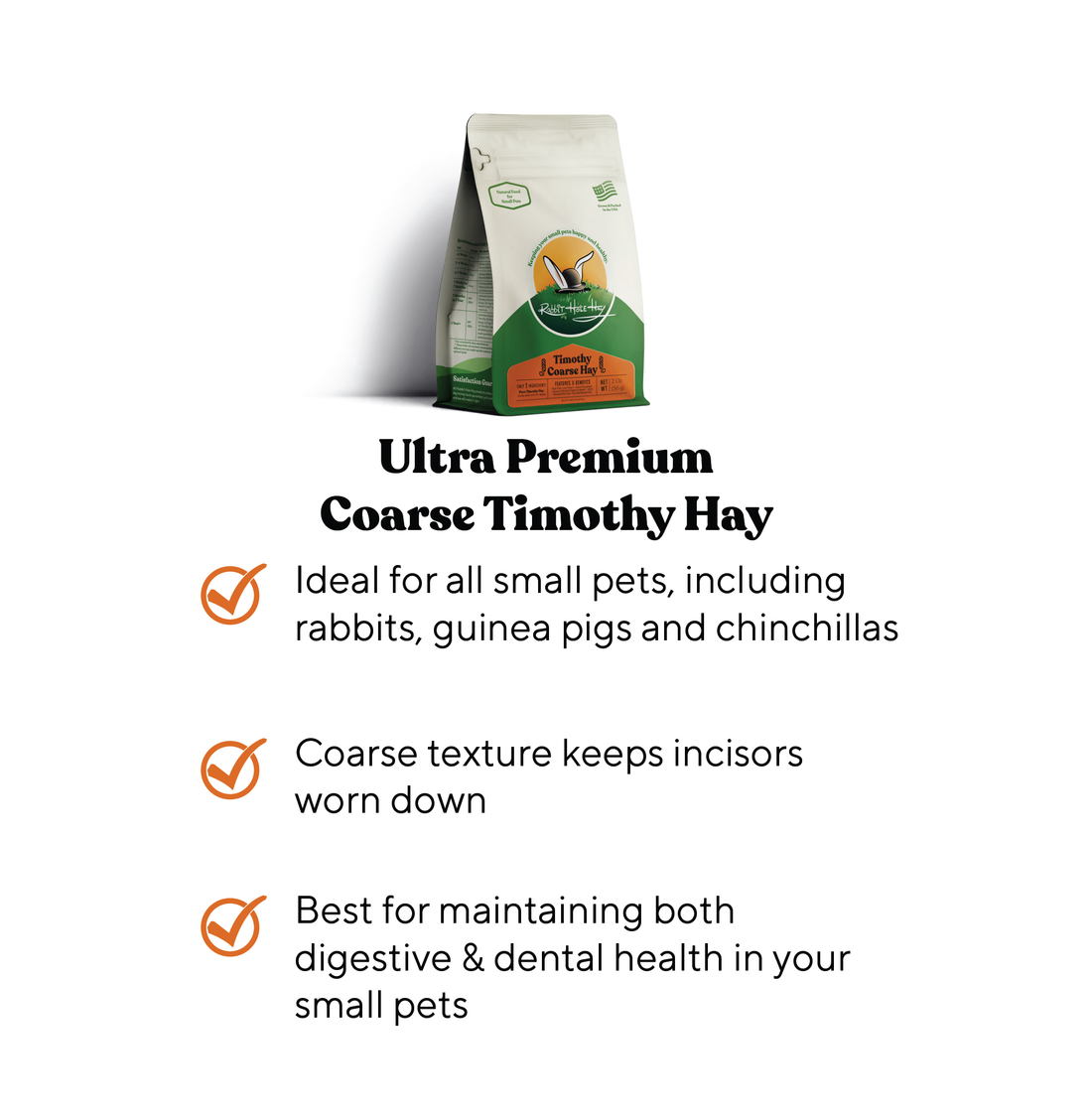
- Coarse Timothy Hay: This texture contains coarser stalks, more seed heads, and is higher in fiber. It's perfect for rabbits that need extra roughage for their digestion.
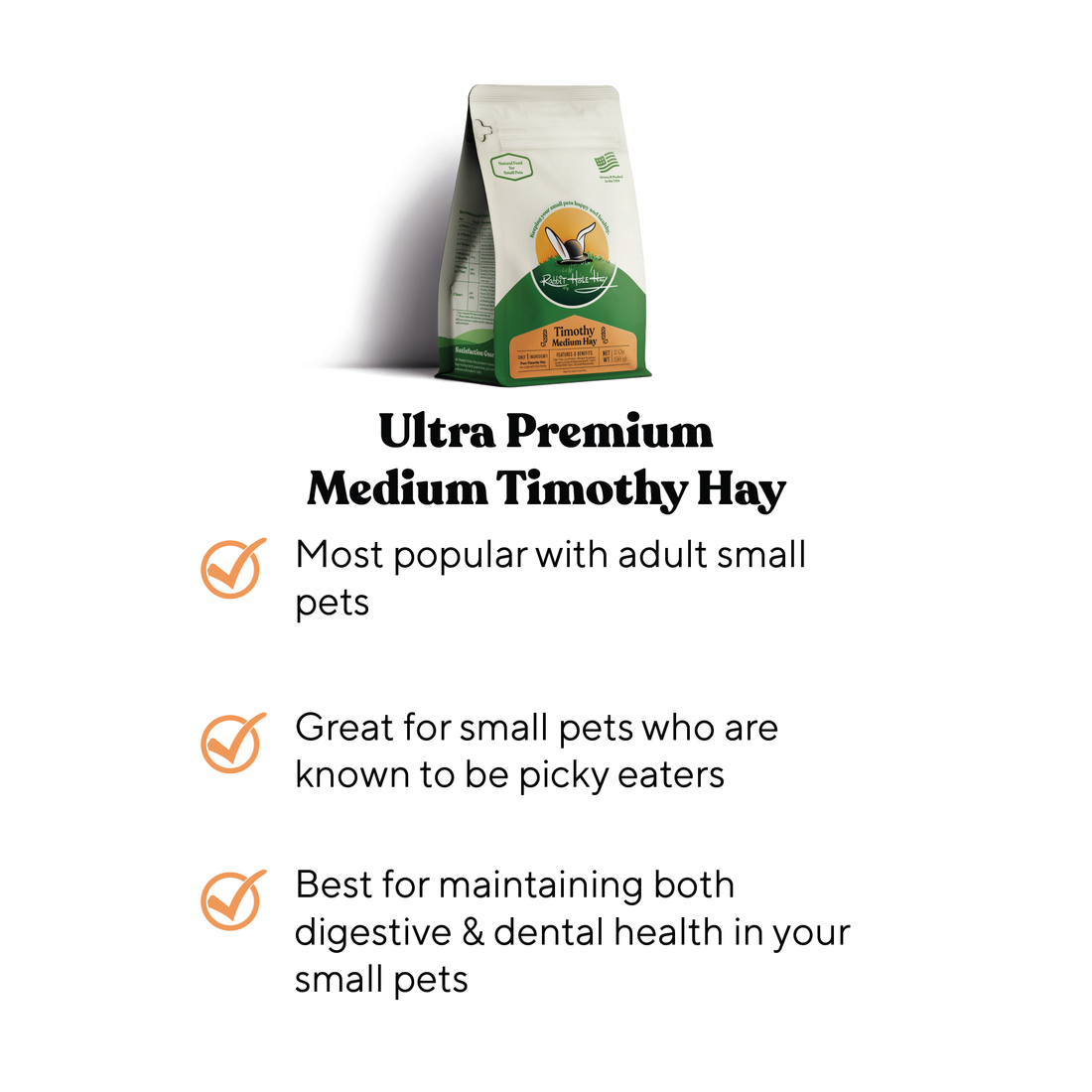
- Medium Timothy Hay: This is a softer, leafier texture with a balance of stalks and leaves, offering a blend of fiber and softer texture. It's often a favorite among rabbits because it's easier to chew while promoting dental health.
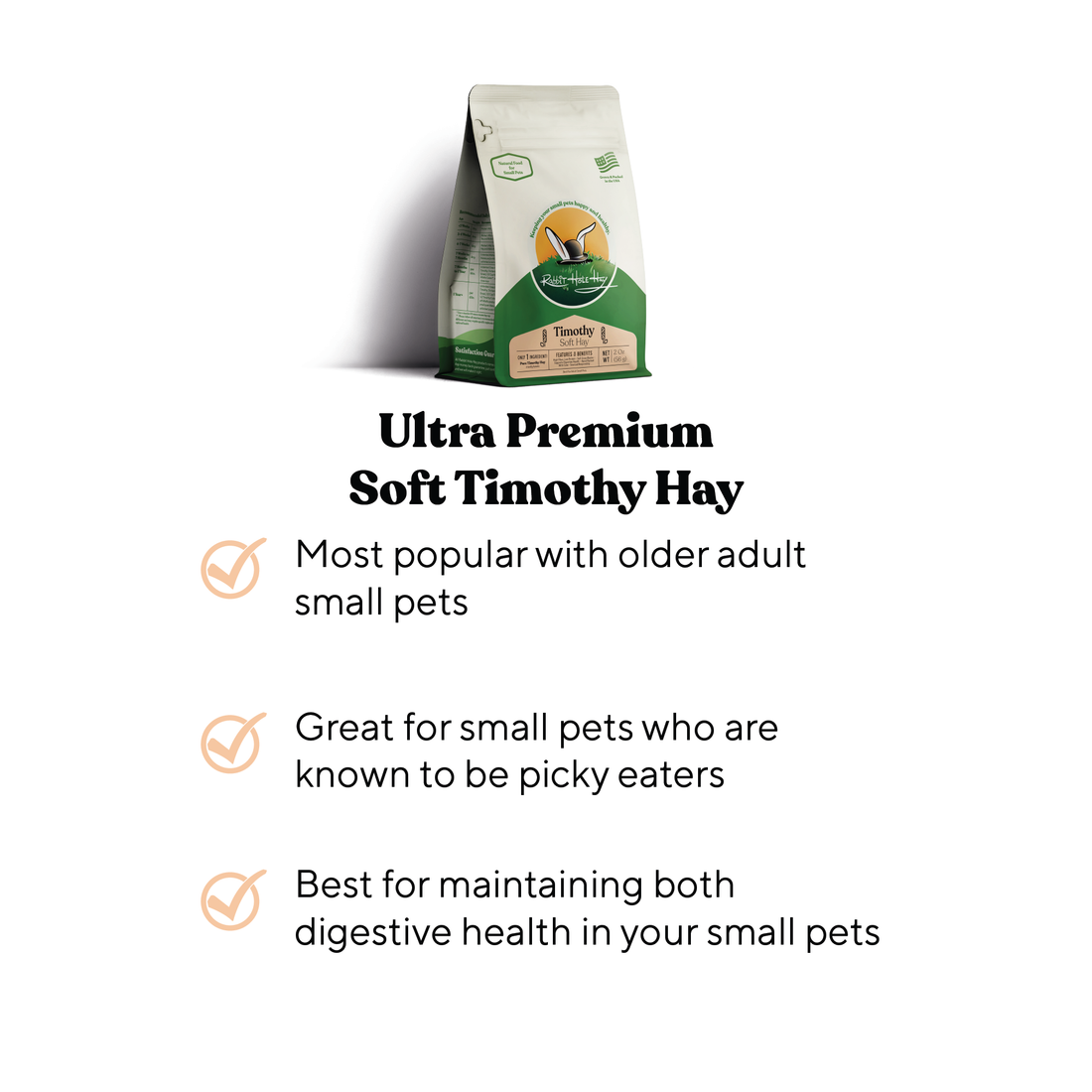
- Soft Timothy Hay: The softest of the three, Soft Timothy Hay is all about leaves with minimal stems. While it's easier for rabbits to chew, it's lower in fiber, so it should be used sparingly or combined with higher-fiber hay for a complete diet.
At RabbitHoleHay.com, we offer all three textures of Timothy Hay, allowing you to choose the one that fits your rabbit's needs. Whether your rabbit prefers a crunchier texture or a softer, leafier option, we have it covered.
Orchard Grass Hay: A Soft and Sweet Alternative
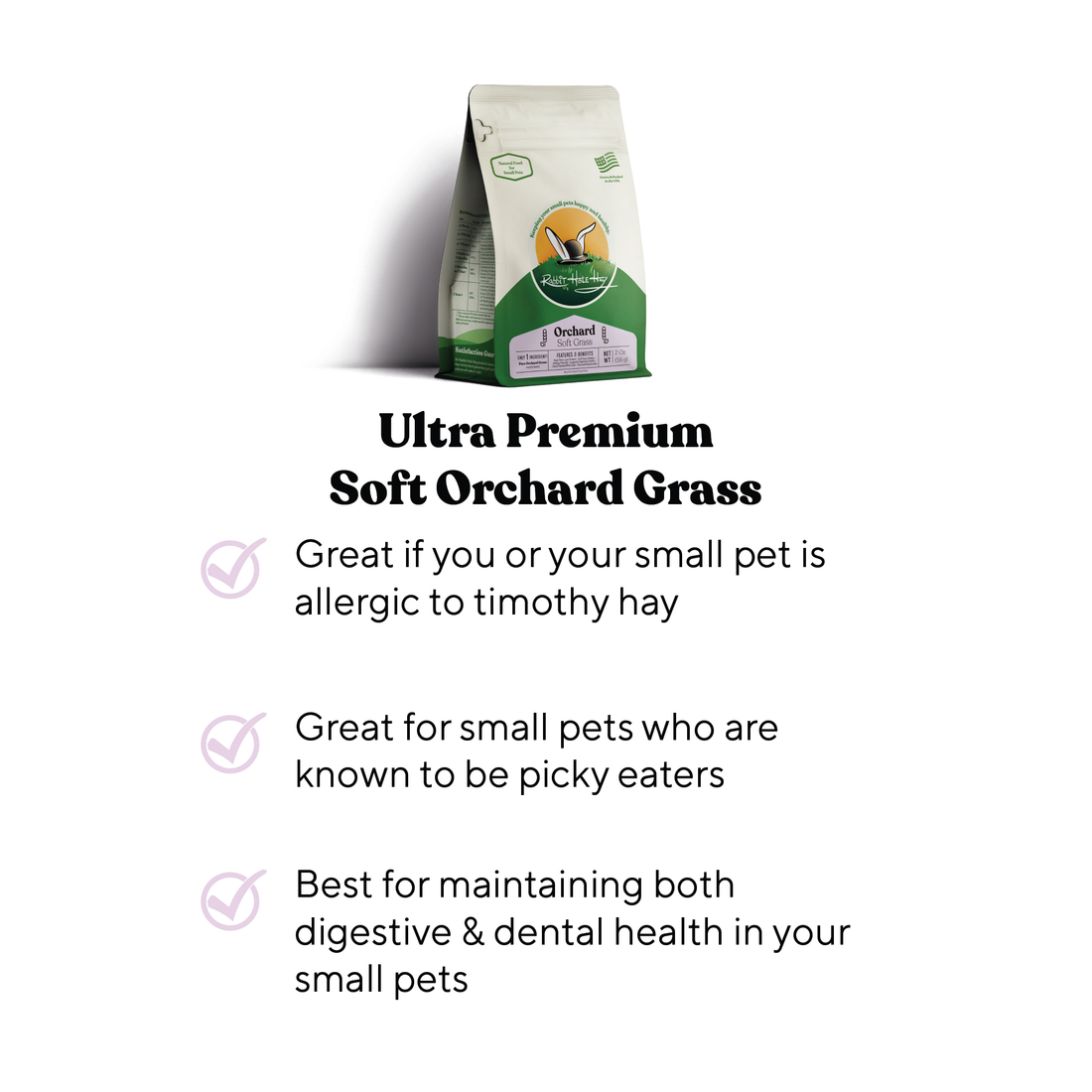
If your rabbit is a picky eater or has dental issues, Orchard Grass Hay is an excellent alternative to Timothy Hay. It's softer and has a sweet aroma that many rabbits find irresistible. Orchard Grass is lower in protein and calcium than Timothy Hay, making it a great choice for adult rabbits that need to maintain a healthy weight and avoid urinary issues.
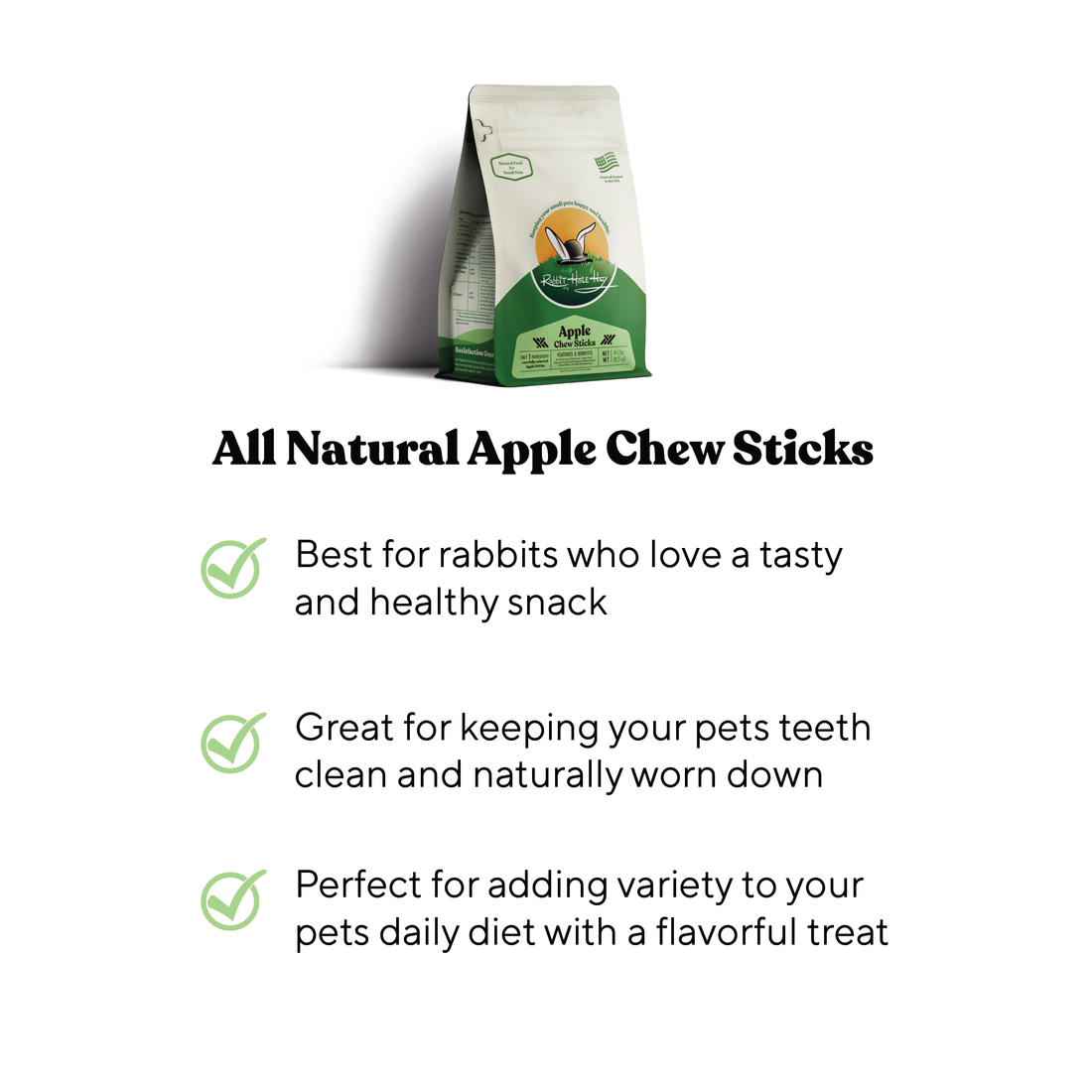
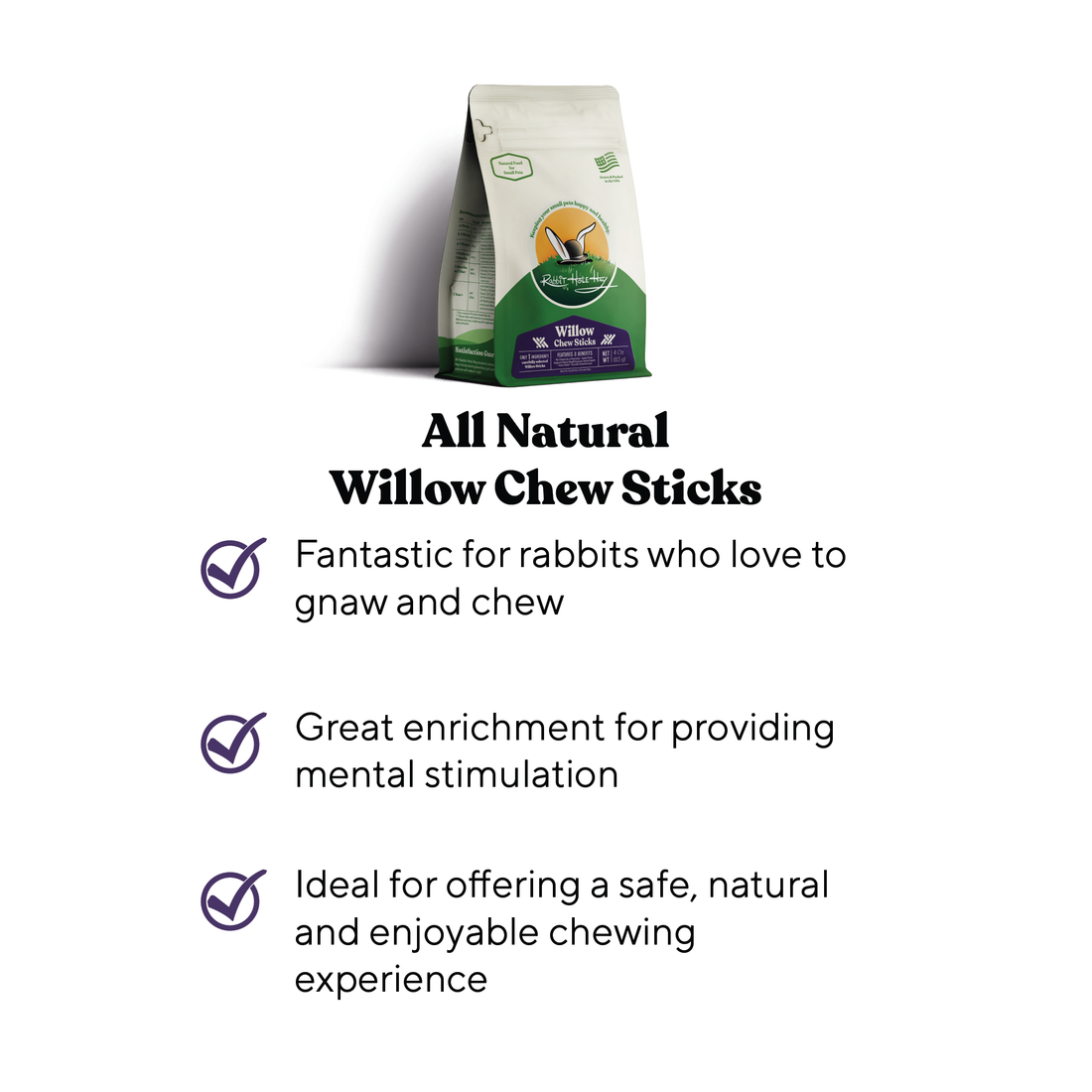
Though softer than Timothy Hay, Orchard Grass still provides plenty of fiber to keep your rabbit's digestive system healthy. Its tender texture also makes it easier on the teeth, which can benefit older rabbits or those with dental problems. Because it's more delicate, you may want to mix Orchard Grass with Apple Chewy sticks or implement other teeth-wearing strategies
Orchard Grass Hay is especially popular for rabbits sensitive to Timothy Hay's dust or coarser stalks. Its lower dust content makes it a more allergy-friendly option for rabbits and owners. At RabbitHoleHay.com, we pride ourselves on offering clean, dust-free Orchard Grass that's perfect for sensitive rabbits.
Alfalfa Hay: Best for Young Rabbits
Unlike Timothy or Orchard Grass, Alfalfa Hay is higher in protein and calcium, making it a good option for younger rabbits (under seven months), nursing mothers, or rabbits that need to gain weight. However, it's not recommended for adult rabbits due to its high calorie and calcium content, which can lead to obesity and urinary problems.
Alfalfa is a legume hay, meaning it's richer in calories and nutrients than grass hays like Timothy or Orchard Grass. While this benefits growing bunnies, it can quickly become too rich for adults, leading to potential health problems. If you have a young or pregnant rabbit, Alfalfa Hay can be a great way to provide the extra nutrition they need. Just be sure to transition them to a more appropriate hay, like Timothy or Orchard Grass, once they reach adulthood.
Mixed Hays: Combining the Best of Both Worlds
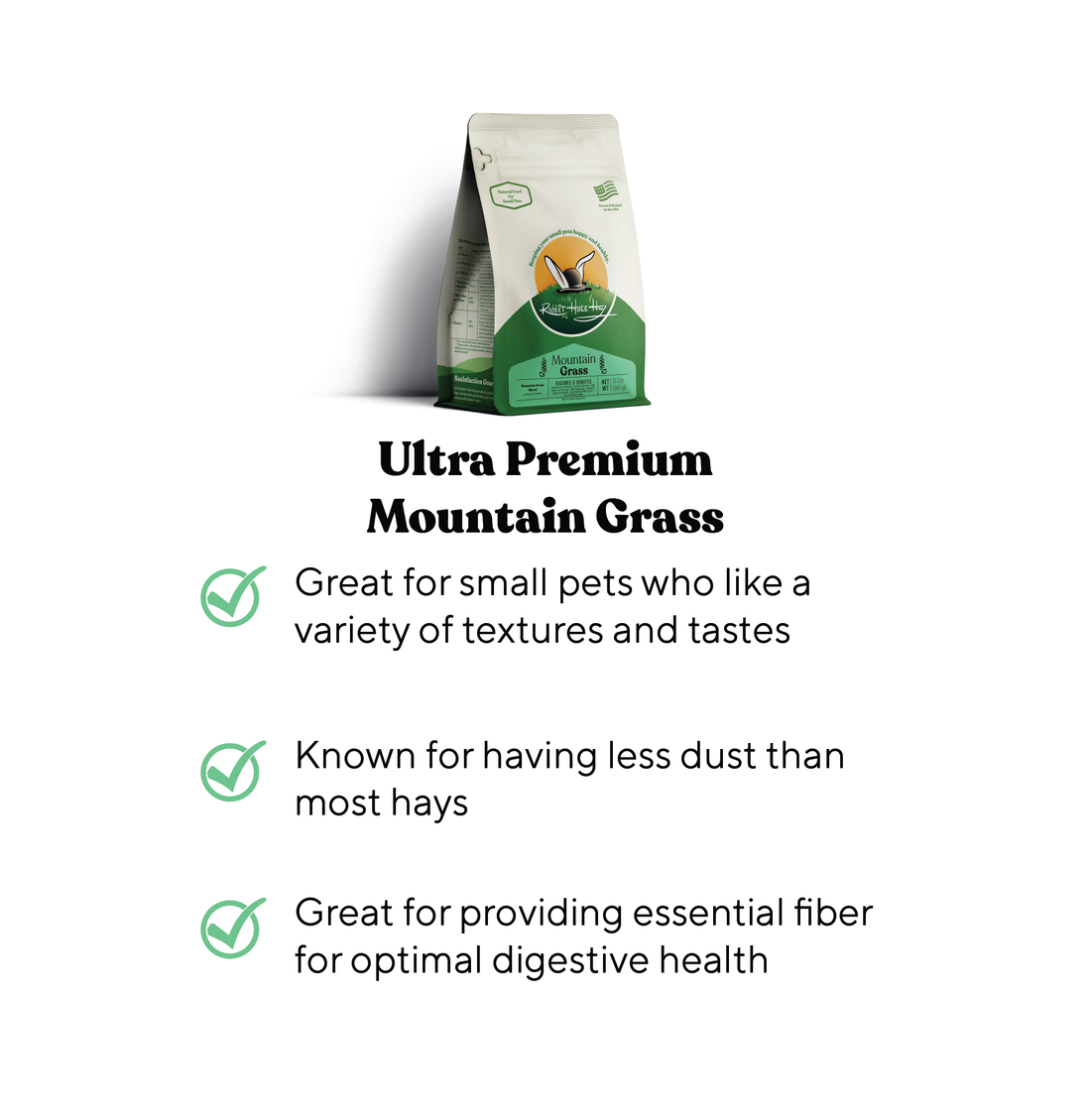
Some rabbit owners prefer to mix different types of hay to offer variety and balance in their rabbit's diet. For example, combining Timothy Hay with Orchard Grass can provide both the fiber needed for digestion and the softer texture that some rabbits prefer. Mixing hays can also encourage rabbits to eat more, as the variety of textures and flavors keeps them interested and engaged during feeding.
Offering a variety of hay types can also help cater to your rabbit's specific health needs. For example, older rabbits may benefit from softer hay. In contrast, rabbits prone to dental issues may need coarser hay to keep their teeth healthy. At RabbitHoleHay.com, we offer mixed hay options, allowing you to give your rabbit the best of both worlds.
Which Hay is Right for Your Rabbit?
The best hay for your rabbit depends on age, health, and personal preferences. For most adult rabbits, Timothy Hay is the top choice due to its high fiber content and balanced nutrients. If your rabbit prefers something softer or is sensitive to Timothy, Orchard Grass offers a great alternative. For young rabbits, Alfalfa Hay is ideal for growth, but remember to switch to grass hay once they reach adulthood.
By offering a variety of hay types, you can keep your rabbit healthy and satisfied. At RabbitHoleHay.com, we help you choose the best hay for your rabbit's specific needs, ensuring they get the nutrition they deserve. Don’t forget to check out our tips for encouraging your rabbit to eat more hay to keep them in top shape!

Why RabbitHoleHay.com is the Best Place to Buy Rabbit Food Online
Shopping online for rabbit food offers a lot of convenience. Still, choosing a store that delivers on quality, freshness, and customer satisfaction is important. RabbitHoleHay.com stands out as one of the best places to buy rabbit food. Whether you're looking for premium hay or other essentials, RabbitHoleHay.com has everything your rabbit needs, delivered fresh and right to your door.
High-Quality Hay You Can Trust
One big reason RabbitHoleHay.com is the best place to buy rabbit food is the quality of its hay. All the hay comes from trusted farms specializing in producing high-fiber hay for small pets. Every batch is inspected to ensure it meets top standards for freshness and nutrition. Unlike some hay that sits on store shelves for months, RabbitHoleHay.com packs and ships hay fresh, ensuring your rabbit gets the best quality every time.
Freshness matters. Over time, hay can lose nutrients and texture if not stored properly. That's why RabbitHoleHay.com uses specially designed bags to keep hay fresh from when it's harvested until it reaches your home. If you're not sure which hay is right for your rabbit, RabbitHoleHay.com has a helpful hay guide to help you choose.

A Wide Selection of Rabbit Food and Supplies
Rabbits have unique dietary needs, and RabbitHoleHay.com makes finding your pet's needs easy. The site offers a wide variety of hay types like Timothy Hay and Orchard Grass to suit your rabbit's preferences. You'll find it here whether your rabbit needs soft hay or a coarser cut.
But RabbitHoleHay.com doesn't stop at hay. They offer other essentials like bedding and chew toys to keep your rabbit comfortable and happy. New rabbit owners can also explore the rabbit care guides on the site for tips on feeding and setting up the perfect environment for your pet.
Convenient Subscription Service
One of the best features RabbitHoleHay.com offers is its subscription service. For busy rabbit owners, running out of hay can be stressful. The subscription service lets you set up automatic deliveries, ensuring you never run out of food. You can customize the delivery schedule based on how much hay your rabbit needs, saving time and effort.
Wondering, "where can I buy rabbit food and not worry about reordering?" The subscription service at RabbitHoleHay.com is the solution. Set up regular deliveries and enjoy the convenience of fresh hay delivered straight to your door.
Great Value for Your Money
Buying hay online doesn't have to be expensive. RabbitHoleHay.com offers great value, especially when considering the products' quality and the convenience of home delivery. The site frequently runs promotions and discounts, making stocking up on premium hay easier without breaking the bank.
For even more savings, the subscription service includes discounts. Subscribers pay less than one-time buyers, making it a smart choice for those asking, "Where can I buy rabbit food at a good price?" Bulk deliveries also help cut costs, giving you the best value for your money.
Supporting a Small, Pet-Focused Business
When you choose RabbitHoleHay.com, you're supporting a small business that focuses on the needs of rabbits. Unlike big chain stores that sell products for all types of pets, RabbitHoleHay.com is dedicated to small pets. This means every product they offer is carefully selected with your rabbit's health in mind.
Big chains might offer cheaper products, but smaller businesses like RabbitHoleHay.com provide expert-curated items that meet your rabbit's needs. Choosing a company that cares about pets over profits helps ensure you're giving your rabbit the best possible care. If you're wondering, "Where can I buy rabbit food focused on quality?" RabbitHoleHay.com is the answer.
Fast and Reliable Shipping
Another reason RabbitHoleHay.com stands out is its fast and reliable shipping. All orders are processed quickly, and hay is shipped fresh to ensure it arrives in the best condition. Whether ordering a one-time shipment or using the subscription service, you can count on getting your rabbit's food right on time.
In the United States, you can choose from various shipping options, including standard or expedited shipping. No matter how quickly you need your order, RabbitHoleHay.com makes it easy to deliver fresh hay when needed.
Outstanding Customer Service
RabbitHoleHay.com is dedicated to customer satisfaction. Suppose you're not happy with your order. In that case, the company offers easy returns and exchanges, ensuring you and your rabbit are happy with the purchase. The customer service team is friendly, knowledgeable, and always ready to help with any questions.
Along with great customer service, RabbitHoleHay.com offers resources for rabbit owners, from feeding advice to care tips. New rabbit owners can find the information they need to make informed decisions about their pet's health and diet.
The Best Place to Buy Rabbit Food
Choosing RabbitHoleHay.com means choosing quality, convenience, and excellent customer care. From fresh hay to reliable shipping, RabbitHoleHay.com makes feeding your rabbit easy and stress-free. For anyone asking, "Where can I buy rabbit food that's reliable and affordable?" RabbitHoleHay.com is the top choice.
Shop now at RabbitHoleHay.com and give your rabbit the best care with high-quality hay and more!

The Benefits of Buying Rabbit Food Online vs. In-Store
As a rabbit owner, ensuring your pet has access to high-quality food is one of your top priorities. With the rise of online shopping, many pet owners turn to the internet to purchase their rabbit's food. But is buying rabbit food online truly better than shopping in-store? This section will explore the benefits of buying rabbit food online and why it's a smart choice for rabbit owners.
Convenience and Time-Saving
One of the biggest advantages of buying rabbit food online is convenience. Unlike in-store shopping, where you have to plan a trip, navigate aisles, and transport bulky bags of hay, online shopping lets you purchase everything with just a few clicks. Whether you're busy with work or managing a household, having your rabbit's food delivered right to your door can save you significant time and effort.
At RabbitHoleHay.com, you can easily browse different types of hay, compare product details, and place an order—all from the comfort of your home. There's no need to worry about store hours, finding parking, or carrying heavy bags. With our simple online ordering system and reliable delivery options, rabbit owners can avoid the hassle of in-store shopping and focus on what truly matters: spending time with their pets.
Access to a Wider Selection of Products
Another major benefit of shopping online is access to a wider range of products. Local pet stores may have limited shelf space, meaning they often carry only a few brands or varieties of hay. This can make finding your rabbit's needs difficult, especially if they have specific dietary requirements or preferences.

Online stores like RabbitHoleHay.com offer a much broader selection of hay types, including Orchard Grass Hay, Timothy Hay, and mixed hays. You can also choose from different textures of hay, such as Coarse, Medium, or Soft, to suit your rabbit's specific tastes and nutritional needs. This flexibility means you're more likely to find the perfect hay for your rabbit online than in a traditional store.
Besides a wider variety of products, online shopping allows you to explore and compare reviews from other rabbit owners. This allows you to make informed decisions based on real experiences rather than relying solely on the limited options at a physical store. If you're looking for guidance on which hay is best, our hay guide can help you choose the right product for your rabbit's needs.
Better Pricing and Discounts
Buying rabbit food online often comes with better pricing than local stores. Online retailers, especially those focused on small pets, like RabbitHoleHay.com, can offer competitive prices by cutting out the middleman and selling directly to consumers. Many online stores also offer bulk pricing or subscription services, allowing you to save even more on your regular hay purchases.
At RabbitHoleHay.com, we offer frequent discounts, promotions, and special offers to help rabbit owners save on purchases. Plus, our subscription service allows you to save both time and money by setting up regular deliveries at discounted rates. This means you save on the price of hay and avoid the cost of last-minute trips to the store.
Freshness and Quality Assurance
When buying rabbit food in-store, there's no way to know how long the hay has been sitting on the shelf. Hay stored improperly or too long can lose nutritional value and freshness, impacting your rabbit's health. Dusty, old hay can also irritate your rabbit's respiratory system or lead to digestive issues.
By purchasing from a trusted online store like RabbitHoleHay.com, you can be confident that the hay you receive is fresh and high-quality. We source our hay from top farms, and each batch is carefully inspected and packed to ensure it retains its nutritional value and freshness. Unlike in-store hay that may have been sitting in warehouses or on shelves for months, the hay you order online is packed shortly before shipping, so it arrives at your door fresh and ready for your rabbit to enjoy.
Freshness is crucial for maintaining the health benefits of hay, which is why we take extra care in storing and packaging it properly. Buying from RabbitHoleHay.com ensures your rabbit gets the high-fiber, nutrient-rich hay they need to thrive. If you're ever unsure about the best way to store your hay, you can learn more from our guide on keeping hay fresh and palatable.
Automatic Delivery for Stress-Free Shopping
Running out of hay is a common concern for rabbit owners. Still, online shopping can help alleviate this problem. With RabbitHoleHay.com's subscription service, you can schedule regular hay deliveries so you never run out. You choose the frequency of deliveries based on your rabbit's needs, and we take care of the rest. This not only saves time but also provides peace of mind, knowing your rabbit will always have access to the fresh, high-quality hay they rely on.
Whether you have one rabbit or several, automatic deliveries help ensure you never have to make last-minute trips to the pet store. You can adjust or pause your subscription anytime, giving you full control over when and how often you receive your hay. Many rabbit owners find this feature especially helpful during busy times of the year or when traveling, as it takes the guesswork out of ensuring your pet's food supply is always replenished.
Reducing Stress on Your Rabbit
For many rabbits, going to the store—whether that means being put in a carrier or simply dealing with the commotion of new smells—can be stressful. By shopping online, you can avoid unnecessary stress on your rabbit by delivering their food directly to your home. This is especially important for rabbits that are sensitive to changes in their environment or struggle with anxiety.
Stress can have a significant impact on a rabbit's health, potentially leading to decreased appetite or digestive issues like GI stasis. Using RabbitHoleHay.com's delivery service, you can reduce your rabbit's stress by keeping their routine consistent and avoiding store trips altogether.
Why Online Shopping is the Best Option for Rabbit Owners
Buying rabbit food online offers many benefits that simply can't be matched by in-store shopping. The convenience of home delivery, access to a larger selection of products, better pricing, and the guarantee of freshness make online shopping the superior choice for rabbit owners. Additionally, RabbitHoleHay.com's subscription service and focus on customer satisfaction make it the best place to purchase your rabbit's hay and food.
If you're ready to make your rabbit food shopping easier, fresher, and more affordable, explore the range of products at RabbitHoleHay.com. Your rabbit deserves the best, and we're here to provide it—delivered straight to your door.

How to Choose the Right Rabbit Food for Your Pet's Needs
Choosing the right food for your rabbit can be tricky, especially when there are so many options. From hay to pellets, each rabbit has its own unique dietary needs. So, where can I buy rabbit food that meets all these requirements? RabbitHoleHay.com is a great place to start. This section will discuss the important factors to consider when choosing rabbit food to ensure your rabbit stays healthy and happy.
Understanding Your Rabbit's Nutritional Needs
The foundation of your rabbit's diet should be high-quality hay, like Timothy Hay. It provides the fiber rabbits need to maintain good digestion and dental health. Rabbits also require a low-calcium, low-calorie diet, so Timothy Hay is the best choice for adult rabbits. If you're wondering where I can buy rabbit food like this, RabbitHoleHay.com offers a variety of options to suit every rabbit's needs.
The dietary needs change for younger rabbits. They require more protein and calcium, which can be found in Alfalfa Hay. As your rabbit matures, transitioning to a diet of Timothy Hay is essential to avoid obesity and other health issues.
Choosing the Best Hay for Your Rabbit
Hay should comprise about 80% of your rabbit's diet. For most rabbits, Timothy Hay is the top choice. You can choose between Coarse, Medium, and Soft texture hay depending on your rabbit's preferences. Coarse hay is coarse and high in fiber, while Medium is softer and more balanced. Soft hay is the softest, perfect for rabbits with sensitive teeth.

If your rabbit prefers a softer hay, Orchard Grass Hay is an excellent option. It's sweet-smelling and tender and still provides the fiber necessary for digestive health. When looking for softer options and asking, "Where can I buy rabbit food?"—RabbitHoleHay.com offers Orchard Grass that's fresh and clean, delivered straight to your door.
When to Include Pellets and Fresh Veggies
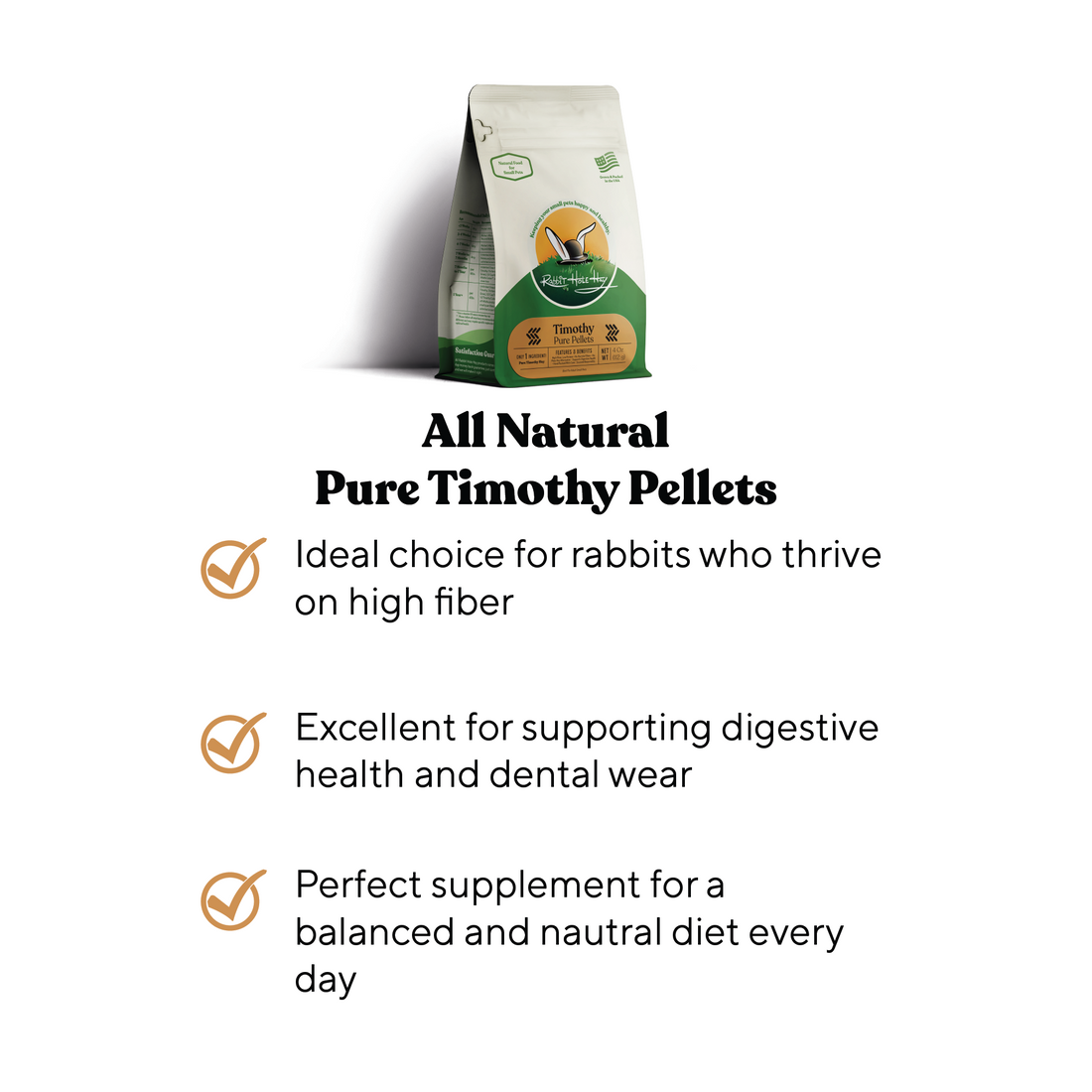
While hay is the mainstay of a rabbit's diet, pellets and fresh vegetables are also important. For adult rabbits, look for high-fiber, low-calcium pellets from Timothy Hay. Avoid those with added sugars or artificial ingredients. Suppose you're wondering where you can buy rabbit food with high-quality pellets. In that case, RabbitHoleHay.com has a selection designed specifically for healthy adult rabbits.
Fresh vegetables should also be part of your rabbit's diet. Leafy greens like romaine lettuce and parsley are great options, providing both vitamins and hydration. Introducing these slowly can help avoid digestive upset. If you're not sure what veggies to offer, this guide provides a list of safe vegetables.
Special Dietary Considerations
Some rabbits have unique dietary needs due to health conditions or age. For example, older rabbits or those with dental problems may require softer hay, such as third-cut Timothy or Orchard Grass. Rabbits overweight or prone to bladder issues should be given low-calcium hay, like second-cut Timothy Hay, and monitored closely for pellet intake. RabbitHoleHay.com has options that fit these special dietary considerations.
If you're still wondering, "Where can I buy rabbit food that addresses these needs?" RabbitHoleHay.com offers a variety of hays and guides to help you choose the best option for your pet's requirements.
Supplements: When Are They Necessary?
A well-balanced diet of hay, pellets, and vegetables is enough to keep your rabbit healthy. However, supplements like vitamins or probiotics may be necessary if your rabbit is recovering from illness. Always consult a vet before adding supplements to your rabbit's diet to avoid over-supplementation, which can do more harm than good. For more information on rabbit health and the potential need for supplements, check out this guide.
Choosing Rabbit Food with Confidence
Making the right food choices for your rabbit can significantly impact their health and well-being. With so many factors to consider—age, health, and taste preferences—selecting the right hay, pellets, and vegetables can seem overwhelming. So, where can I buy rabbit food that meets these needs? RabbitHoleHay.com offers everything you need, from premium Timothy Hay to healthy pellets, making it easy to provide your rabbit with the best nutrition.
By understanding your rabbit's nutritional needs and making informed choices, you can ensure they live a healthy, happy life. Visit RabbitHoleHay.com to explore a wide range of rabbit food options and find the perfect products for your pet.

The Convenience of Subscription Services for Rabbit Food
As a rabbit owner, making sure you never run out of hay can be a challenge. Rabbits need fresh hay every day to stay healthy. Running out at the wrong time can be stressful. That's where a subscription service comes in handy. You don't have to worry about forgetting to order with automatic deliveries. Subscription services ensure your rabbit's food is always in stock and ready.
Why Subscription Services Make Life Easier
Buying rabbit food online is already convenient, but subscription services take it a step further. If you've ever wondered, "Where can I buy rabbit food without worrying about reordering?" the answer is a subscription. With RabbitHoleHay.com, you can schedule regular hay deliveries so you never run out. Your rabbit's food will show up right when you need it.

The best part is you can adjust how often you get your deliveries. Whether you need weekly or monthly deliveries, it's up to you. This is perfect for rabbit owners with one or more pets, as hay needs can vary based on how much your rabbits eat. No more last-minute trips to the store!
How RabbitHoleHay.com's Subscription Service Works
Getting started with RabbitHoleHay.com's subscription is easy. After selecting what your rabbit needs—whether it's Timothy Hay, Orchard Grass, or pellets—you decide how often you want it delivered. Options range from weekly to monthly, depending on how much hay your rabbit eats.
Once your subscription is set, you don't need to think about reordering. Everything ships automatically. You can change or cancel your plan anytime, giving you full control over your deliveries. Plus, subscribers enjoy discounts on each order, making it a cost-friendly way to keep your rabbit's food supply steady.
Never Worry About Running Out of Food Again
One of the most significant stresses for rabbit owners is running out of hay. Rabbits need a steady supply of hay to stay healthy. Interruptions in their diet can lead to serious health problems like gastrointestinal stasis (GI stasis). With RabbitHoleHay.com's subscription service, you'll never have to ask, "Where can I buy rabbit food last minute?" Your rabbit's food will always arrive on time, fresh from the farm to your doorstep.
Save Money with a Subscription
Subscriptions aren't just convenient and can save you money. RabbitHoleHay.com's subscription service discounts each order, giving you great value without sacrificing quality. If you're wondering, "Where can I buy rabbit food that offers the best deal?" subscriptions are the answer. You can plan larger deliveries, reduce shipping costs, and enjoy savings with each order.
Free shipping is another bonus for subscribers. By choosing RabbitHoleHay.com, you save on shipping costs, making it an affordable way to regularly provide your rabbit with high-quality food.
Customizing Your Rabbit's Subscription
One of the best parts of RabbitHoleHay.com's subscription service is its flexibility. You can adjust your delivery schedule, size, or even the type of hay you receive. Whether your rabbit prefers Orchard Grass or Timothy Hay, you can easily make changes to your plan. If your rabbit's diet changes, your subscription can change too.
This flexibility is perfect for rabbit owners with more than one pet or those whose needs shift over time. You'll always have the right amount of hay delivered, making sure your rabbits are well-fed without any hassle.
Eco-Friendly and Convenient
Using a subscription service isn't just good for you and your rabbit—it's better for the environment, too. Fewer deliveries mean less packaging waste and fewer transportation emissions. Bulk deliveries reduce the need for extra shipping, helping reduce your carbon footprint. RabbitHoleHay.com is committed to sustainable practices, using eco-friendly packaging that enables you to care for your rabbit while caring for the planet.

Start Your RabbitHoleHay.com Subscription Today
If you're asking, "Where can I buy rabbit food that's convenient, fresh, and affordable?" RabbitHoleHay.com's subscription service is the answer. With automatic deliveries, cost-saving benefits, and customizable options, it's the easiest way to ensure your rabbit's food supply stays steady. Skip the stress of last-minute orders and enjoy fresh hay delivered to your door.
Visit RabbitHoleHay.com to set up your subscription today and give your rabbit the best nutrition with zero hassle.
Buying in Bulk: Is It Worth It for Rabbit Owners?
One common question rabbit owners have is whether buying rabbit food in bulk is a good idea. When managing your pets' dietary needs, purchasing large quantities at once can be tempting. But is it really the best option for your rabbit? In this section, we'll explore the pros and cons of purchasing rabbit food in bulk and whether it's the right choice for you and your rabbit.
The Advantages of Buying in Bulk
One of the biggest reasons to buy in bulk is cost savings. You often get a better price per pound when you purchase larger quantities of hay or rabbit food. This can add up, especially for rabbit owners who go through a lot of hay. If you're asking yourself, "Where can I buy rabbit food at a good price?" bulk buying from RabbitHoleHay.com can be a great solution.

Bulk buying also means fewer trips to the store or fewer orders to place. For busy rabbit owners, this can save time and effort. It's also convenient for households with more than one rabbit or small pets that consume a lot of hay. Ordering in bulk means you'll always have enough hay, ensuring your rabbits never go without. Plus, RabbitHoleHay.com offers bulk options that can be delivered straight to your door, saving you even more time.
Keeping Your Rabbit's Food Fresh
While buying in bulk can save money, one concern is keeping the food fresh. Hay must be stored properly to maintain its nutritional value and prevent mold or spoilage. It can become damp and moldy if hay is exposed to moisture or stored in tightly sealed plastic containers. Rabbits need dry, clean hay to avoid health issues, so proper storage is key.
When you buy in bulk, storing the hay in a cool, dry place is important. Many rabbit owners use breathable storage containers or bags to keep their hay dry and fresh. This way, you can safely store large quantities of hay without worrying about spoilage. RabbitHoleHay.com delivers its bulk hay in breathable packaging, helping to maintain the hay's quality for longer.
Is Bulk Buying Right for You?
Is bulk buying the right choice for your rabbit? It depends on a few factors. Buying in bulk can save time and money if you have multiple rabbits or go through hay quickly. It also ensures you have plenty of food, so you're not constantly reordering or running out. On the other hand, if you only have one rabbit and limited storage space, smaller, more frequent orders might make more sense.
If you're still wondering, "Where can I buy rabbit food in bulk that's fresh and high-quality?" RabbitHoleHay.com offers bulk buying options that are convenient and affordable. Plus, with our subscription service, you can combine bulk deliveries with automatic reorders, ensuring you never run out of hay.
The Environmental Impact of Bulk Buying
Buying in bulk also has environmental benefits. Fewer deliveries mean less packaging and reduced transportation emissions. When you order in bulk, you're helping to reduce the number of shipments, which means less waste. RabbitHoleHay.com is committed to using environmentally friendly packaging and practices, making bulk buying a greener choice for eco-conscious pet owners.
Bulk Buying Tips
If you decide to buy in bulk, here are a few tips to make sure you get the most out of your purchase:
- Store hay in a cool, dry place to prevent moisture buildup and mold.
- Use breathable containers to keep hay fresh while avoiding plastic that traps moisture.
- Buy in quantities that match your rabbit's consumption rate to prevent spoilage.
- Consider using RabbitHoleHay.com's subscription service to schedule bulk deliveries and save time.
Making the Decision to Buy in Bulk
Ultimately, buying in bulk can be a great way to save money, reduce waste, and ensure you always have food available for your rabbit. Bulk buying could be the right fit if you have multiple rabbits or just want the convenience of fewer orders. If you're still wondering, "Where can I buy rabbit food in bulk without compromising quality?" RabbitHoleHay.com offers bulk options that are both fresh and affordable.
To explore bulk hay options and see if it's the right choice for you, we provide fresh hay in bulk that's delivered straight to your door, helping you care for your rabbit while saving time and money.

How to Ensure You're Getting Fresh, High-Quality Hay
Regarding your rabbit's health, the quality of the hay you feed them is crucial. Fresh, high-quality hay provides the nutrients rabbits need to stay healthy. In contrast, low-quality hay can lead to digestive issues or even illness. But how can you be sure you're getting the best hay for your rabbit? In this section, we'll look at the key signs of fresh, nutritious hay and explain how to find reliable sources.
Why Hay Quality Matters
Rabbits rely on hay as the main part of their diet. Not only does it keep their digestive system functioning properly, but it also helps maintain their dental health. Because their teeth constantly grow, rabbits must chew on fibrous hay to wear them down naturally. If the hay you provide is low-quality, dusty, or lacks the proper nutrients, it could affect their digestion and teeth.
Where can I buy rabbit food that guarantees fresh, nutritious hay? The answer lies in finding suppliers that prioritize quality, like RabbitHoleHay.com. Purchasing hay from trusted sources ensures your rabbit gets what they need for a healthy life.
Signs of Fresh, High-Quality Hay
When choosing hay, there are a few key indicators to look for that will tell you whether it's fresh and nutritious. Fresh hay should have:
- A sweet, grassy smell: Fresh Hay should smell clean and pleasant, with a light, sweet aroma. The hay may be spoiled or stored improperly if it smells musty or moldy.
- Green color: High-quality Hay will have a greenish hue, indicating it still has its nutrients. Over time, hay exposed to sunlight or moisture can turn yellow or brown, losing some nutritional value.
- Minimal dust: Dusty Hay can cause respiratory problems for rabbits, so always check for excessive dust. Quality hay is carefully sorted and stored to minimize dust buildup.
- Proper texture: Good Hay should have long, fibrous strands that are firm to the touch. If the hay is brittle, dry, or crumbles easily, it's likely past its prime.
Always check these signs when receiving a new batch of hay to ensure your rabbit is getting the best. For those wondering, "Where can I buy rabbit food that meets these standards?" RabbitHoleHay.com delivers fresh hay that's carefully inspected and packaged to maintain quality.
Avoiding Common Hay Pitfalls
While hay is essential for rabbits, not all hay sold in stores is up to par. Low-quality hay may look fine at first glance but may be old, improperly stored, or contain harmful mold or chemicals. Here are some common pitfalls to avoid when buying hay:
- Old or stale Hay: Hay that has been sitting for too long loses its freshness and can develop mold or bacteria. Be cautious of hay sold in stores that may have been on the shelf for months.
- Improper storage: Hay that's stored in sealed plastic bags or exposed to moisture is more likely to spoil. Always choose hay stored in breathable packaging to keep it dry and fresh.
- Chemical contamination: Some hay is grown using pesticides or fertilizers that could be harmful to your rabbit. Look for hay from reputable suppliers that guarantee clean, chemical-free hay.
These issues can be avoided by choosing a trusted supplier. RabbitHoleHay.com, for instance, takes extra care to package its hay in breathable materials and inspect each batch for freshness. If you're asking, "Where can I buy rabbit food that's stored and packaged correctly?" RabbitHoleHay.com has you covered.
How RabbitHoleHay.com Ensures Quality
At RabbitHoleHay.com, we understand the importance of providing fresh, high-quality hay. Our hay is sourced from trusted farms that produce premium Hay for small pets. Each batch is hand-inspected to ensure it meets our high color, texture, and smell standards before it's packaged and delivered to your door.
Our Hay is also stored in breathable bags, designed to keep the hay fresh while preventing moisture buildup that can lead to mold. Once your order is placed, the hay is packed and shipped quickly, ensuring it arrives at your home in the freshest condition possible. If you're wondering, "Where can I buy rabbit food that's guaranteed fresh?" RabbitHoleHay.com is your go-to source.
Best Practices for Storing Hay
Even when you receive high-quality hay, it's essential to store it properly to keep it fresh. Here are a few tips for storing hay at home:
- Keep the Hay in a cool, dry place, away from direct sunlight and moisture.
- Use breathable containers or bags to allow air circulation. Avoid sealing hay in plastic, as it can trap moisture and lead to mold.
- Check the Hay regularly for signs of spoilage, such as a musty smell or discoloration.
Following these storage tips, you can keep your rabbit's hay fresh for longer, ensuring they get the necessary nutrients. If you're still asking, "Where can I buy rabbit food that stays fresh after purchase?" RabbitHoleHay.com offers hay that's designed to last when stored correctly.

The Importance of Trusting Your Supplier
At the end of the day, the best way to ensure you get fresh, high-quality hay is to trust your supplier. Reputable suppliers like RabbitHoleHay.com are committed to providing only the best for your rabbit. By ordering from a trusted source, you can have peace of mind knowing your rabbit is eating nutritious, safe, and fresh hay.
So, if you're still asking, "Where can I buy rabbit food that meets my rabbit's dietary needs?" head over to RabbitHoleHay.com. We take pride in delivering the highest-quality hay to keep your rabbit healthy and happy.

Supporting Small Pet Brands Like RabbitHoleHay vs. Big Chains
When buying rabbit food, you have a choice. You can support small, dedicated pet brands like RabbitHoleHay.com or shop at large chain stores. But what difference does it make to your rabbit's health, your experience as a buyer, and the broader pet care community? In this section, we'll explore the benefits of choosing small pet brands and why RabbitHoleHay.com stands out compared to big retail chains.
The Benefits of Supporting Small Pet Brands
Small pet brands like RabbitHoleHay.com focus specifically on your rabbit's needs. This means they take extra care to ensure their products are high-quality, carefully sourced, and tailored to the specific requirements of small pets. When asking yourself, "Where can I buy rabbit food that's truly focused on my rabbit's health?" small businesses often offer more specialized and premium options than big chains.
For example, RabbitHoleHay.com specializes in providing fresh, high-fiber hay that meets the strict nutritional needs of rabbits. Because they are dedicated solely to small pets, they can focus on producing the best hay rather than offering a wide variety of general pet products. This expertise helps ensure you get exactly what your rabbit needs for optimal health.

Personalized Customer Experience
One major advantage of supporting small brands is the personalized customer service you receive. When you buy from a smaller company, you're more likely to interact with a passionate and knowledgeable team about their products and your pet's needs. At RabbitHoleHay.com, for example, the staff is not only familiar with the products but also experienced in rabbit care, which means they can answer questions and provide helpful advice when needed.
Larger chains, on the other hand, often lack this specialized knowledge. Employees may be unable to offer the same level of personalized service, especially when dealing with your rabbit's unique dietary needs or health concerns. If you're asking, "Where can I buy rabbit food and get expert advice?" small pet brands like RabbitHoleHay.com are often the better choice.
Quality vs. Quantity
Big chain stores tend to focus on offering a wide variety of products at lower prices, but this can sometimes come at the cost of quality. They often stock mass-produced hay and rabbit food, which may sit on shelves for long periods. While the prices may seem appealing, the quality of these products might not be best for your rabbit.
In contrast, smaller pet brands like RabbitHoleHay.com prioritize quality over quantity. Their hay is fresh, clean, and tailored to meet the specific needs of rabbits. They take the time to inspect and pack each batch, ensuring it arrives fresh and ready to support your rabbit's health. If you're wondering, "Where can I buy rabbit food that's guaranteed fresh and nutritious?" RabbitHoleHay.com offers a level of quality control that big chains simply can't match.
Building a Community Around Rabbit Care
Supporting small pet brands is also about building community. Many small companies, including RabbitHoleHay.com, are committed to educating and engaging with customers. They offer resources, blogs, and advice to help you become a more informed rabbit owner. For example, RabbitHoleHay.com provides helpful guides on topics like rabbit care, health, and feeding tips, ensuring you're equipped to give your rabbit the best care possible.
Large chains typically don't foster the same sense of community. Their focus is on selling products rather than educating pet owners. By supporting smaller brands, you're not just buying a product—you're joining a network of dedicated rabbit enthusiasts who care about the well-being of their pets and support others in doing the same.
Ethical Sourcing and Sustainable Practices
Ethical sourcing and sustainability are other essential factors when choosing between small pet brands and big chains. Smaller businesses are often more transparent about where their products come from and how they are produced. For example, RabbitHoleHay.com sources its hay from trusted farms that practice responsible farming techniques. They are committed to providing high-quality, sustainable products that are safe for your rabbit and better for the environment.
Many large chains focus more on volume and profit, which can lead to less oversight regarding sourcing. The hay and rabbit food they sell may come from large-scale producers that use harmful pesticides or poor farming practices. Suppose you're concerned about sustainability and ethical sourcing. In that case, it's worth asking, "Where can I buy rabbit food that aligns with my values?" RabbitHoleHay.com is a small business that prioritizes ethical production and sustainable practices.
Supporting Innovation in Pet Care
Small pet brands are often at the forefront of innovation in the pet care industry. Because they are focused on a niche market, they are more likely to invest in creating better, more specialized products for rabbits. By supporting smaller businesses, you're encouraging innovation and helping these companies continue to develop new products that improve the lives of rabbits.
For example, RabbitHoleHay.com is continually refining its processes to offer the best hay for small pets, from improving the freshness of their hay to creating subscription services that ensure rabbits always have a steady supply of food. These innovations come from a deep understanding of rabbits' needs, something you're less likely to find at big chains.
Making the Choice to Support Small Pet Brands
When deciding where to buy your rabbit food, choosing small pet brands like RabbitHoleHay.com has many advantages. From higher-quality products to personalized service, supporting a small business ensures your rabbit gets the best care possible. Plus, you're contributing to a community passionate about pet health and committed to ethical, sustainable practices.
So, if you're still asking, "Where can I buy rabbit food that supports small businesses and guarantees top quality?" RabbitHoleHay.com is the answer. Visit RabbitHoleHay.com to explore our range of fresh, premium hay and join a community of rabbit owners who care about the best for their pets.

Finding the Best Deals and Discounts for Rabbit Food Online
Buying rabbit food online can save you time, but it can also help you save money if you know where to look. Whether buying hay or other supplies, finding the best deals and discounts is always a good idea. In this section, we'll explore how to get the best rabbit food prices while ensuring you get the high-quality products your pet needs.
Shopping Directly from Trusted Brands
One of the easiest ways to find great deals on rabbit food is by shopping directly with trusted pet brands like RabbitHoleHay.com. Many smaller, specialized companies offer competitive pricing compared to big retail chains. If you've been asking yourself, "Where can I buy rabbit food at a fair price without sacrificing quality?" the answer is usually with dedicated rabbit care companies focusing on delivering the best products.
Shopping directly with brands like RabbitHoleHay.com also gives you access to exclusive offers and promotions. These deals are often only available through the brand's website, allowing you to buy premium rabbit food at a lower price than what you might find in stores. Plus, buying directly from the brand makes you more likely to get fresh, high-quality hay than older stock on retail shelves.
Take Advantage of Subscription Discounts
Another way to save money is by signing up for a subscription. RabbitHoleHay.com offers a convenient subscription option that ensures you get regular deliveries of hay without needing to reorder each time. The best part? Subscribers often receive a discount on each delivery, helping you save in the long run.
Subscriptions are cost-effective and time-saving. With scheduled deliveries, you can avoid running out of food and eliminate last-minute purchases, which may come with higher shipping costs. The more regular your deliveries, the greater the savings. Plus, subscription services usually come with free shipping, which adds to the overall cost reduction.
Check for Seasonal Promotions
Many online pet food suppliers, including RabbitHoleHay.com, offer special promotions during certain times of the year. These seasonal deals might include discounts, free shipping, or bundled products at a lower price. If you're looking for the right moment to stock up on rabbit food, watch for promotions around holidays or during special events like "National Pet Month." These are often great opportunities to save while buying in bulk.
If you're wondering, "Where can I buy rabbit food online and get the best deals year-round?" following your favorite rabbit care brand's website or signing up for their newsletter is a great strategy. This way, you'll be notified of upcoming sales or exclusive discounts.
Buy in Bulk for Bigger Savings
Buying in bulk is one of the most effective ways to reduce the cost of rabbit food. Ordering larger quantities of hay can significantly lower the price per pound, making it an intelligent choice for rabbit owners with storage space. RabbitHoleHay.com offers bulk hay options that are both fresh and affordable, helping you stretch your budget further.
Besides lower costs, bulk buying often comes with free shipping or additional discounts, especially if you're a regular customer. For those still asking, "Where can I buy rabbit food in bulk?" the answer lies with trusted online suppliers like RabbitHoleHay.com. The ability to stock up while saving money makes bulk buying a great option for dedicated rabbit owners.
Use Coupons and Promo Codes
One of the easiest ways to save money when buying rabbit food online is by using coupons and promo codes. Many pet care brands, including RabbitHoleHay.com, occasionally offer discount codes that can be applied at checkout. These codes are often found on the brand's website, email newsletter, or social media channels.
If you frequently ask, "Where can I buy rabbit food with a coupon?" subscribing to your favorite brands' email lists is a good idea. Brands often reward loyal customers with exclusive discounts, special offers, or first access to sales, making it easy to save while ensuring your rabbit gets the best food available.
Watch for Free Shipping Offers
Shipping costs can quickly increase when buying rabbit food online. Still, many brands offer free shipping promotions from time to time. RabbitHoleHay.com frequently offers free shipping on larger orders, making it easy to get the best products delivered to your door without extra costs. Bulk orders or subscription services often qualify for free shipping, reducing your overall expenses.
If you're wondering, "Where can I buy rabbit food online with free shipping?" keep an eye on RabbitHoleHay.com's promotions or consider signing up for their subscription service, where free shipping is often included.
Consider Loyalty Programs
Another way to save on rabbit food is by joining a loyalty program. Some pet care brands offer rewards programs that give you points for every purchase, which can later be redeemed for discounts. RabbitHoleHay.com values its loyal customers and frequently rewards them with special offers, discounts, and other perks that make feeding your rabbit more affordable.
Loyalty programs are a great way to ensure you always get the best deal, especially if you're a repeat buyer. If you're still asking, "Where can I buy rabbit food and get rewarded for it?" loyalty programs from brands like RabbitHoleHay.com can provide excellent long-term savings.
Finding the Best Deals with RabbitHoleHay.com
There are many ways to save money when buying rabbit food online, especially if you know where to look. From bulk buying and subscription services to coupons and seasonal promotions, RabbitHoleHay.com offers multiple ways to reduce the cost of feeding your rabbit without compromising quality.
So, if you're wondering, "Where can I buy rabbit food and find great deals?" RabbitHoleHay.com has you covered. Visit RabbitHoleHay.com today to explore their current offers, find the best deals on premium hay, and enjoy the convenience of online shopping with savings that matter.

Conclusion: Give Your Rabbit the Best Care with High-Quality Food
Providing your rabbit with the right food is essential for their health, happiness, and long-term well-being. High-quality hay, along with a balanced diet of fresh vegetables and pellets, supports digestion, dental health, and overall vitality. By choosing reliable sources like RabbitHoleHay.com, you ensure that your rabbit gets the nutrition they need—fresh, clean, and delivered right to your door.
Whether you’re wondering "where can I buy rabbit food" or looking for ways to save time with subscription services, this guide has shown you the key elements to look for. Remember, investing in high-quality rabbit food today will help prevent health issues down the road, ensuring your rabbit stays active and healthy for years to come. So why wait? Start making the best choices for your rabbit's diet today, and experience the difference high-quality food can make.





Comments