






































Yes—seasonal treats like pumpkin are okay for most healthy adult rabbits when you use plain, unsweetened pumpkin puree in tiny amounts and keep them rare. A tablespoon of puree once or twice a week, or a pea-sized DIY pumpkin rabbit treat, is the idea—not a pumpkin-spice buffet. Skip pie filling, spices, sugar, and dairy; those turn a fall photo op into a gut problem.
If your kitchen smells like October and you want your bun in on it, that is a fair impulse. Just let hay stay loud and the treat stay quiet. We will walk through safe portions, a simple bake, what to watch after the first bite, and how these snacks sit next to a hay-first diet.

Are Seasonal Treats Like Pumpkin Okay for Rabbits?
Pumpkin itself is not the villain. The problem is starch, natural sugar, and how easy it is to scoop “just a little more” because it looks wholesome. Plain canned or fresh-cooked pumpkin puree (no sweetener, no spice blend) can be a rare binder or nibble. Pumpkin pie filling, canned “dessert” mixes, and anything with nutmeg, cinnamon sugar, or milk belong in your latte—not their bowl.
Think of DIY pumpkin rabbit treats as a rare holiday cameo. Everyday food is still grass hay, water, a measured pellet portion, and leafy greens. For why hay has to stay first, see our Nutrition pillar on the best rabbit hay.
If your rabbit already has soft stools, a sensitive gut, or a history of GI stasis, skip pumpkin and ask a rabbit-savvy vet before you bake. Some bunnies handle extras fine; others get soft stools from any new starch.
How Do I Make DIY Pumpkin Rabbit Treats Safely?
Safe homemade treats follow the same rules as any rabbit snack: rabbit-safe ingredients, tiny pieces, full cool-down, and hay still available while you bake. For the broader do’s and don’ts—herbs, hay in the dough, and what never goes in a treat bowl—use our guide on how to make homemade rabbit treats safely. Stay here for the fall pumpkin version.
Confirm you are using plain puree, not pie filling. Rabbit-care sources such as rabbits.life on pumpkin stress the same plain-only rule.
What You Will Need
3 Tbsp plain pumpkin puree (unsweetened—no pie filling)
1/3 cup rolled oats
4 Tbsp plain dried apple (no added sugar or sulfites; stems and seeds removed)
3 Tbsp water
1/2 cup oat flour or whole wheat flour
Instructions
Preheat the oven to 425°F (218°C) and line a baking sheet with parchment.
Stir everything in a bowl until it holds like soft cookie dough. Add a splash of water or a pinch of flour if it is too dry or sticky.
Scoop teaspoon-sized pieces and roll into small rounds or simple shapes. Keep them pea- to blueberry-sized—your rabbit does not need bakery volume.
Space them about an inch apart. Bake about 15 minutes, until the outside feels slightly firm.
Cool completely on a rack before offering even one piece. Warm dough can burn a mouth and still hide soft centers.
Store cooled treats in an airtight container in a cool, dry spot for about 5–7 days, or refrigerate in humid weather. Freeze extras and thaw to room temperature before serving. Do not bake a month’s supply “just in case”—freshness matters more than a full cookie jar.
How Much Pumpkin and Dried Fruit Is Safe?
For an average adult rabbit, about a tablespoon of plain pumpkin puree once or twice a week is plenty if you are spooning it straight. In baked DIY pumpkin rabbit treats, start with one pea-sized piece and watch droppings and hay appetite for a day before you offer another.
Oats and dried apple help the dough hold and taste festive, but both are calorie-dense. They belong in the rare treat, not the weeknight snack rotation. Fruit—fresh or dried—should stay a tiny slice of the diet; our guide to fruit and sugary treats spells out that portion math.
If hay intake drops after you introduce pumpkin, cut treats immediately. That is your rabbit telling you the snack is too much—hay has to come first again.
What Should I Watch for After a New Treat?
New snacks can surprise the gut. Soft or misshapen droppings, less interest in hay, loud tummy sounds, a hunched posture, or unusual quiet are reasons to stop extras and watch closely. If those signs hang on for more than a few hours, call a rabbit-savvy vet—waiting it out is how small treat mistakes turn into big nights.
Soft, small, or oddly shaped poops
Hay left untouched when it used to disappear
Less energy or hiding more than usual
Signs of gas or discomfort (hunched, grinding teeth in pain, restless shifting)
You are not overreacting for pausing a fall snack. You are protecting a digestive system that does not send polite emails first.
What Else Fits Fall Without More Sugar?
If you want seasonal fun without another starch spike, lean on scent and texture more than sweetness. A few fresh parsley or cilantro sprigs, a thin carrot shaving, or a tiny scrap of plain butternut squash can feel festive with less sugar load than dried fruit. Raw unsweetened cranberries are tart—use sparingly if at all.
Herbs and greens still sit behind unlimited hay. For enrichment ideas that do not rely on baking, the House Rabbit Society homemade enrichment notes pair well with boring, healthy chews.
Baby rabbits under about 12 weeks should skip sugary or starchy treats entirely while their gut is still learning the job. Seniors can share a rare soft-baked crumb if teeth and digestion are solid—but only if hay intake stays strong. Age-based hay swaps live in our hay transition tips by age.
How Do Treats Fit Next to Hay?
Treats should stay under about 5% of what your rabbit eats. Roughly 80% of daily intake still needs to be high-fiber grass hay so the gut keeps moving and continuously growing teeth get worn down. When the treat dish starts competing with the hay pile, the treat dish loses.

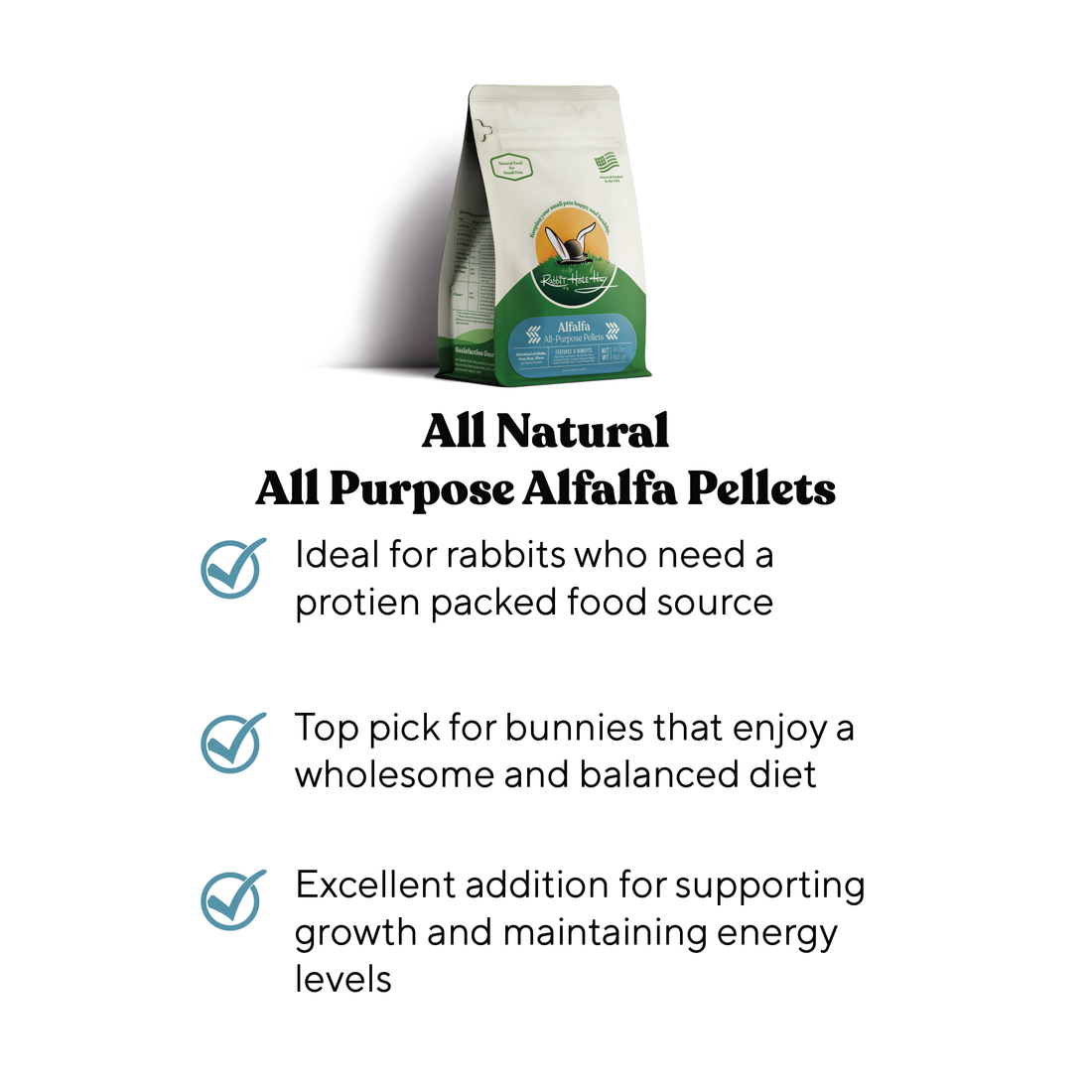
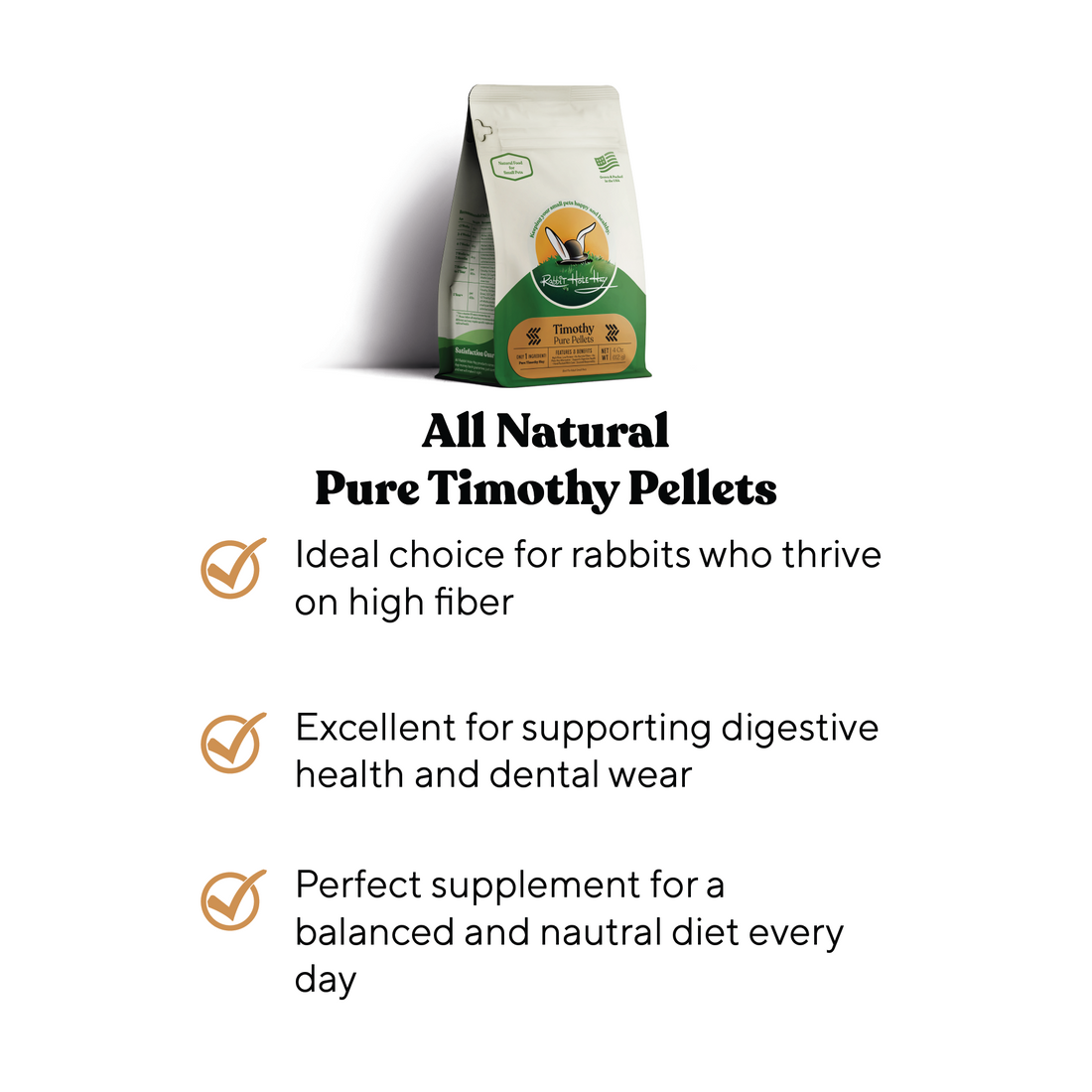
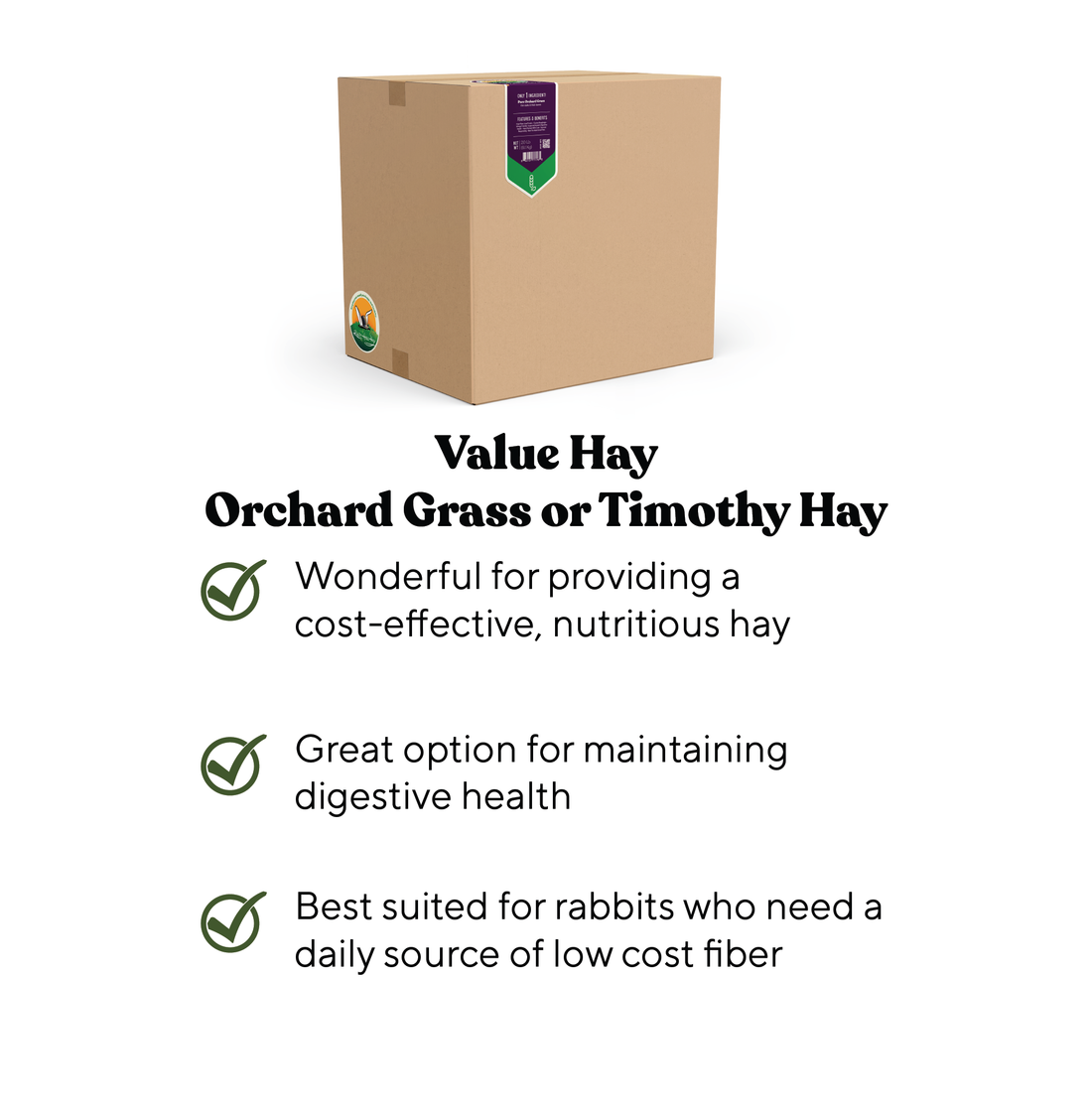
Keep a full hay rack while you bake, and offer the snack after a normal hay session—not instead of one. Browse grass hay options if you want a fresh smell in the rack while pumpkin stays a rare guest. For the full diet picture—hay, pellets, greens, and where treats fit—use our guide to understanding your rabbit’s diet.

Key Takeaways
Plain pumpkin puree can be okay in tiny seasonal amounts; pie filling, spices, and sugar are not.
Bake small DIY pumpkin rabbit treats, cool them fully, and start with one pea-sized piece.
Watch poop and hay appetite after any new snack; pause extras at the first red flag.
Hay still runs the diet—treats are a rare bonus, not dinner.
Bake a small batch, snap the photo, then get the hay rack back in front of them. Fall can include your rabbit without turning dinner into dessert.The leaves are turning, the air has a chill, and your kitchen probably smells like cinnamon and nutmeg. Fall is in full swing, and while you're sipping that pumpkin spice latte, you might be wondering—can my rabbit enjoy something seasonal too? The good news is, they can! With a little care and the right ingredients, you can whip up some DIY pumpkin rabbit treats that are both festive and safe.
Click Here For a Guide to Understanding Your Rabbits Diet.
These homemade rabbit treats are a fun way to include your bun in the autumn celebrations. Just keep in mind, treats should never replace hay. Rabbits thrive on hay—it's the heart of their diet. Without it, they risk serious digestive issues. If you're not sure why that matters so much, read more about the common health problems that arise when hay is skipped.
Before we get into the recipe, here's your quick reminder: pumpkin and dried fruit are naturally sweet. That means these treats are for special occasions only. Overfeeding sugary foods—even ones that are rabbit-safe—can lead to digestive issues, obesity, or more serious conditions like GI stasis.
This guide will walk you through exactly what should and shouldn't be in your rabbit's daily diet.
Why Seasonal Treats Like DIY Pumpkin Rabbit Treats Can Be a Fun Add-On
We all enjoy switching things up, and our pets can too—when it's done safely. Adding occasional, rabbit-safe treats during holidays or seasonal changes gives your bunny a little enrichment. Chewing on something with a new texture or flavor stimulates their mind as well as their taste buds.
That said, the word "treat" here means exactly that: occasional. A rabbit's primary food source should still be high-quality grass hay. Hay helps keep their teeth from overgrowing and ensures proper digestion. Everything else—pellets, veggies, fruits, and treats—should be secondary and properly portioned.
Now, if you're excited to make your own DIY pumpkin rabbit treats, here's everything you'll need to get started. It's simple, requires no fancy tools, and makes enough to store for a few days of festive nibbling.
DIY Pumpkin Rabbit Treats Recipe
What You Will Need
3 Tbsp Pumpkin puree (plain, unsweetened—no pumpkin pie filling!)
1/3 Cup Rolled Oats
4 Tbsp Dried Apples (make sure they're plain with no added sugar or sulfites—remove all stems and seeds)
3 Tbsp Water
1/2 Cup Flour (you can use oat flour or whole wheat for a more rabbit-friendly version)
Instructions
Preheat your oven to 425°F (218°C).
In a mixing bowl, stir together all ingredients. Adjust water or flour as needed to get a cookie-dough-like texture.
Line a baking sheet with parchment paper. Scoop out teaspoon-sized balls and roll them into a shape of your choice—hearts, pumpkins, or just simple rounds.
Place them about an inch apart on the tray and bake for 15 minutes, or until the outside is slightly firm. Let cool completely before offering to your rabbit.
These treats should be stored in an airtight container in a cool, dry place. They'll keep for about 5–7 days. You can also refrigerate them to extend freshness.
How Much Pumpkin Is Safe for Rabbits?
Pumpkin might seem harmless—it's a vegetable, after all. But it's starchy and slightly sweet, and that makes it a food your rabbit should only get in very small amounts. For an average-sized adult rabbit, a tablespoon of pumpkin once or twice a week is enough.
If your rabbit has a sensitive stomach or any existing digestive issues, skip the pumpkin altogether and talk with a vet first. Some bunnies just don't tolerate anything outside of their regular hay and pellet diet very well.
Looking for something even lower in sugar? You can always experiment with grated zucchini or chopped herbs like parsley or dill as alternatives to pumpkin.
What About Oats and Dried Fruit?
Rolled oats add texture and help the treat hold its shape, but they're not something you want to feed often. Oats are calorie-dense and can contribute to weight gain if fed regularly.
Dried apples add flavor and a bit of natural sweetness. But just like the pumpkin, they should be rare in your rabbit's diet. Too much fruit—fresh or dried—can upset the balance of good bacteria in the gut.
These ingredients are okay in a once-a-week treat, but they should never become routine snacks. Always feed in moderation and pay attention to any changes in your rabbit's poop, mood, or appetite afterward.
Balance Treats With a Hay-Based Diet
Even if your rabbit seems to love these DIY pumpkin rabbit treats, their primary food source should always be hay. In fact, about 80% of your rabbit's daily food intake needs to come from high-fiber grass hay. Without it, their digestive system can slow down or stop altogether.
The chewing action hay provides also helps wear down their teeth. Since rabbit teeth grow continuously throughout their life, skipping hay can lead to painful dental issues that require veterinary intervention. That's why we always recommend keeping hay freely available at all times. Learn more about different types of rabbit-friendly hay with our Hay Guide for Small Pets.
Treats should never make up more than 5% of your rabbit's overall diet. Think of them as bonuses, not staples. If your rabbit starts eating less hay after introducing treats, that's a sign to scale back immediately.
Is Your Rabbit Reacting Poorly to Treats?
Every rabbit is different. Some tolerate the occasional treat with no problem, while others might show signs of discomfort. Here's what to watch for after giving a new treat:
Soft or misshapen droppings
Decreased appetite for hay
Unusual lethargy
Gas or bloating (can show as a hunched posture or loud tummy sounds)
If you notice any of these symptoms, stop giving treats and monitor your rabbit closely. If symptoms continue for more than a few hours, consult a rabbit-savvy vet. Rabbits hide illness well, so early action is always better than waiting it out.
Fall-Themed Treat Ideas Beyond Pumpkin
If you're in the seasonal spirit but want to switch things up from pumpkin, there are other rabbit-safe options you can try. Here are a few ingredients that can be incorporated into small homemade treats or offered fresh in moderation:
Fresh cranberries (raw, unsweetened) – Rich in antioxidants, but tart, so use sparingly.
Carrot shavings – Great for texture and a hint of sweetness, but high in sugar.
Parsley or cilantro – Fresh herbs that many rabbits love and are easier to digest.
Butternut squash – A close cousin to pumpkin, with a similar flavor and starch content.
When using fresh ingredients instead of dried ones, remember that they may change the texture of your treat dough. You might need to adjust the amount of flour to keep it from getting too wet. You can even freeze a batch and pop out one at a time for special moments.
Can You Give Treats to Baby or Senior Rabbits?
Age plays a big role in what kind of treats are safe. Younger rabbits, especially those under 12 weeks, should avoid sugary or starchy treats completely. Their digestive systems are still developing and can't handle anything but hay and limited pellets.
Senior rabbits can enjoy DIY pumpkin rabbit treats occasionally, but it depends on their health. If your rabbit has mobility issues or dental problems, soft-baked treats may be easier to eat. Just make sure their regular hay intake doesn't drop off after adding extras.
For age-specific hay suggestions, check out this helpful guide on hay types by age.
Storage Tips for DIY Pumpkin Rabbit Treats
Since these treats are made without preservatives, it's important to store them properly. Keep the cooled treats in an airtight container away from moisture. A cupboard or pantry is usually best. If you live in a humid area, the fridge is a safer choice.
Don't make more than your rabbit can eat in a week. These treats are freshest for 5–7 days and can get moldy if stored too long at room temperature. If you do want to bake a larger batch, freeze half and defrost as needed. Just be sure they return to room temperature before serving.
Using DIY Treats for Training or Enrichment
Because these treats are small and flavorful, they're great tools for reinforcing positive behavior. Whether you're trying to get your rabbit to hop into their carrier, use a litter box, or respond to their name, a bite-sized reward can go a long way.
Just don't use treats every time—they should feel special. Try alternating with verbal praise or a favorite leafy green. You can also break larger treats into smaller pieces to stretch the fun out while keeping the sugar load minimal.
Want more ways to engage your rabbit's curiosity and smarts? We love these rabbit enrichment ideas from House Rabbit Society that can be paired with occasional treats.
Want to Explore Other Hay Varieties?
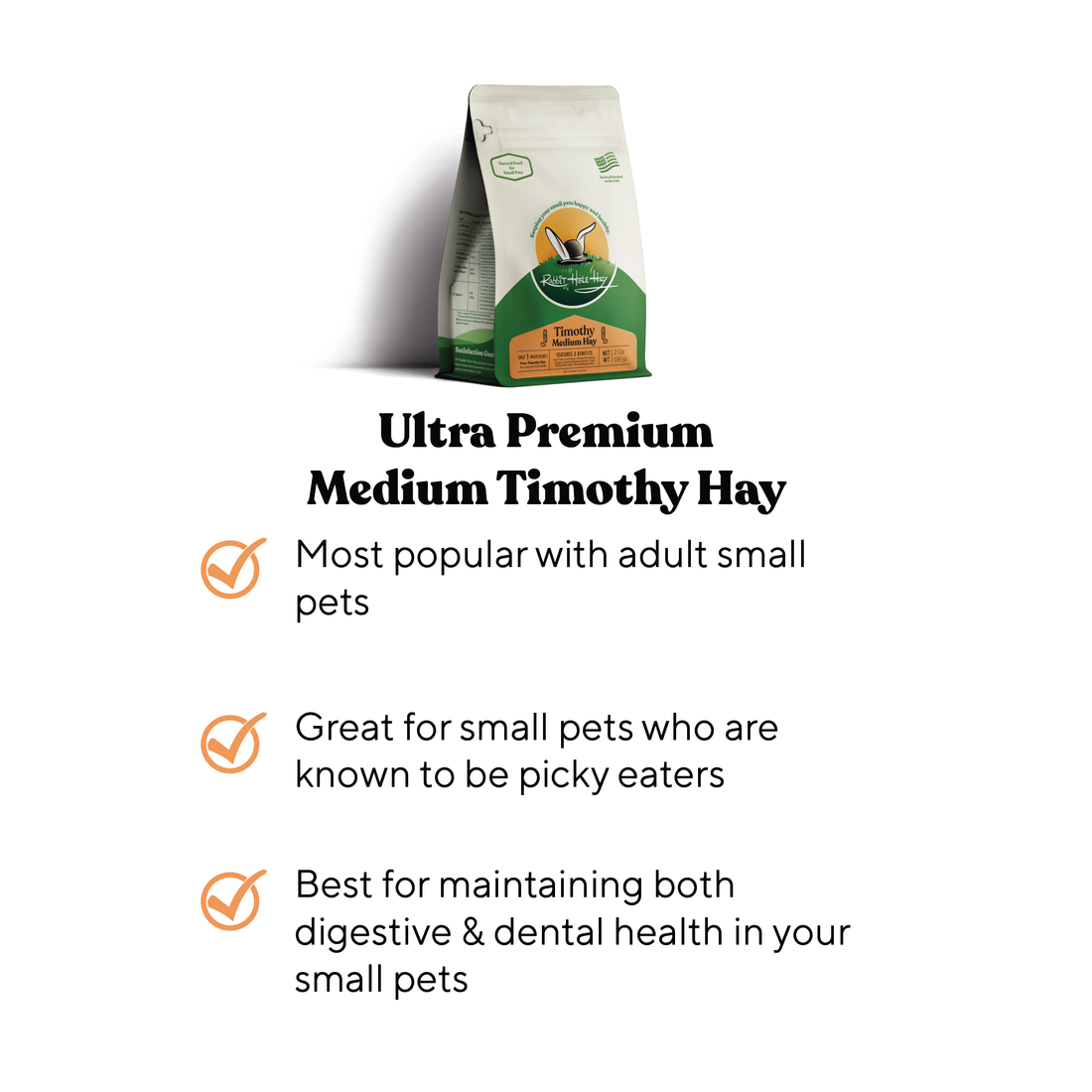
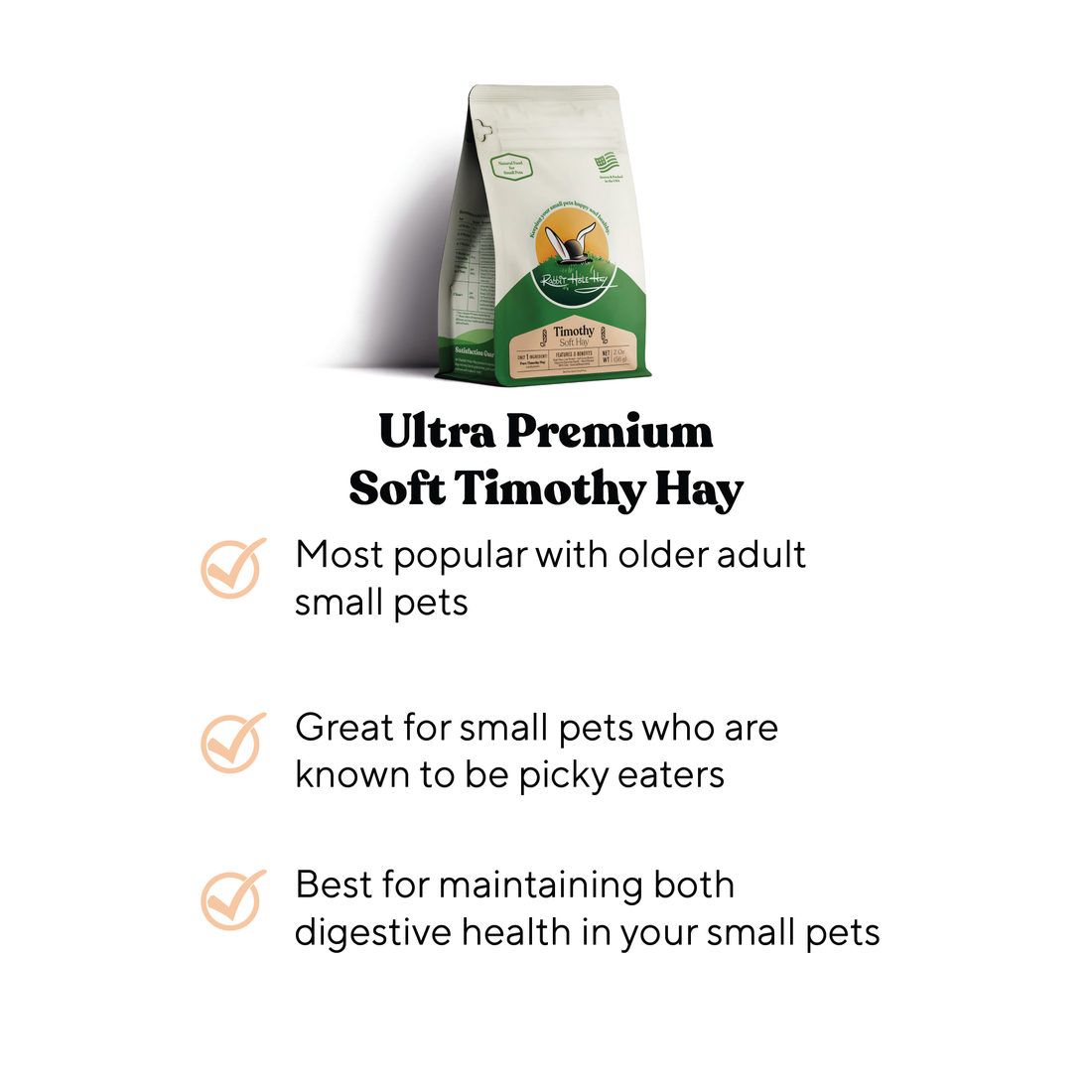
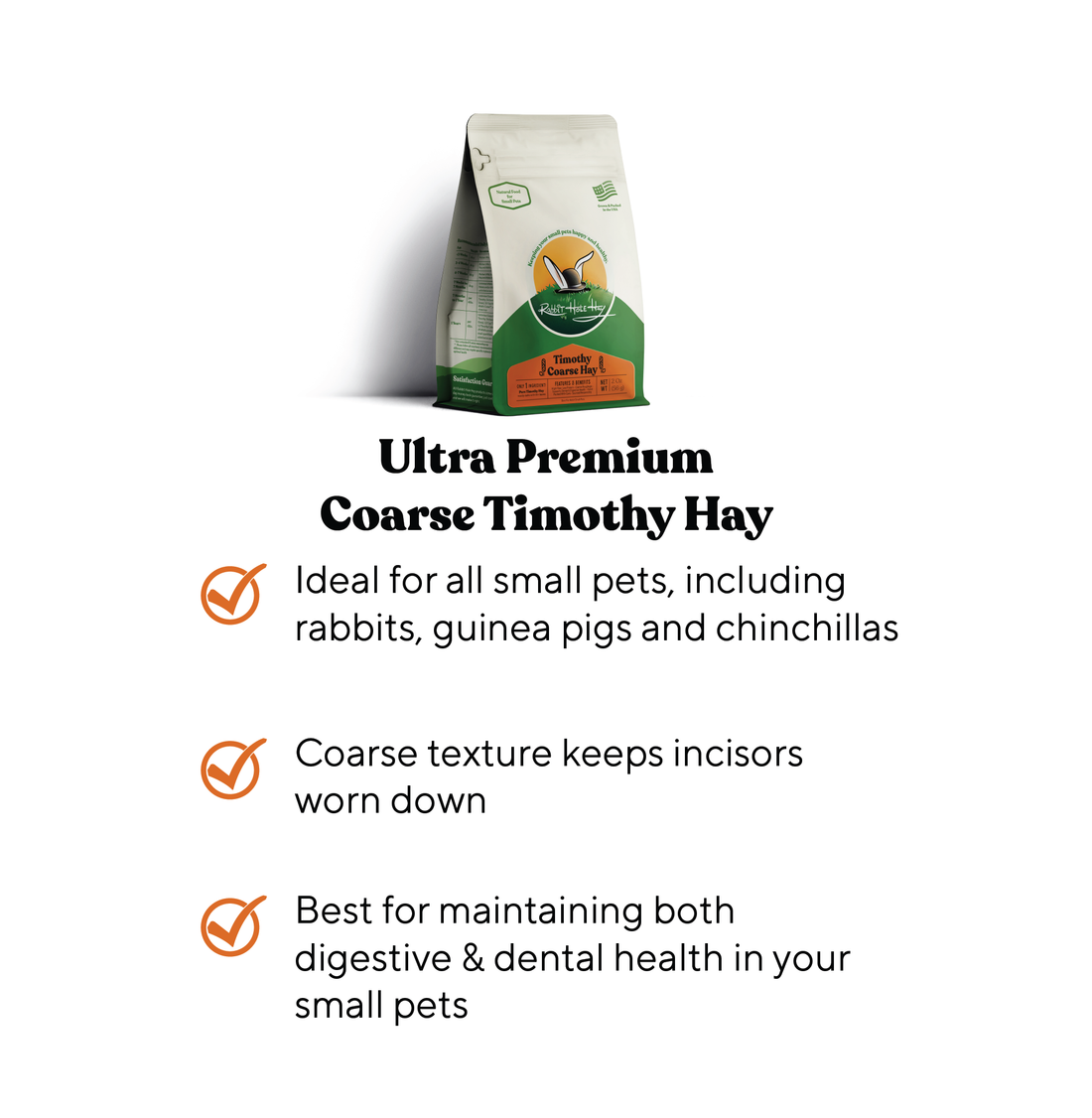
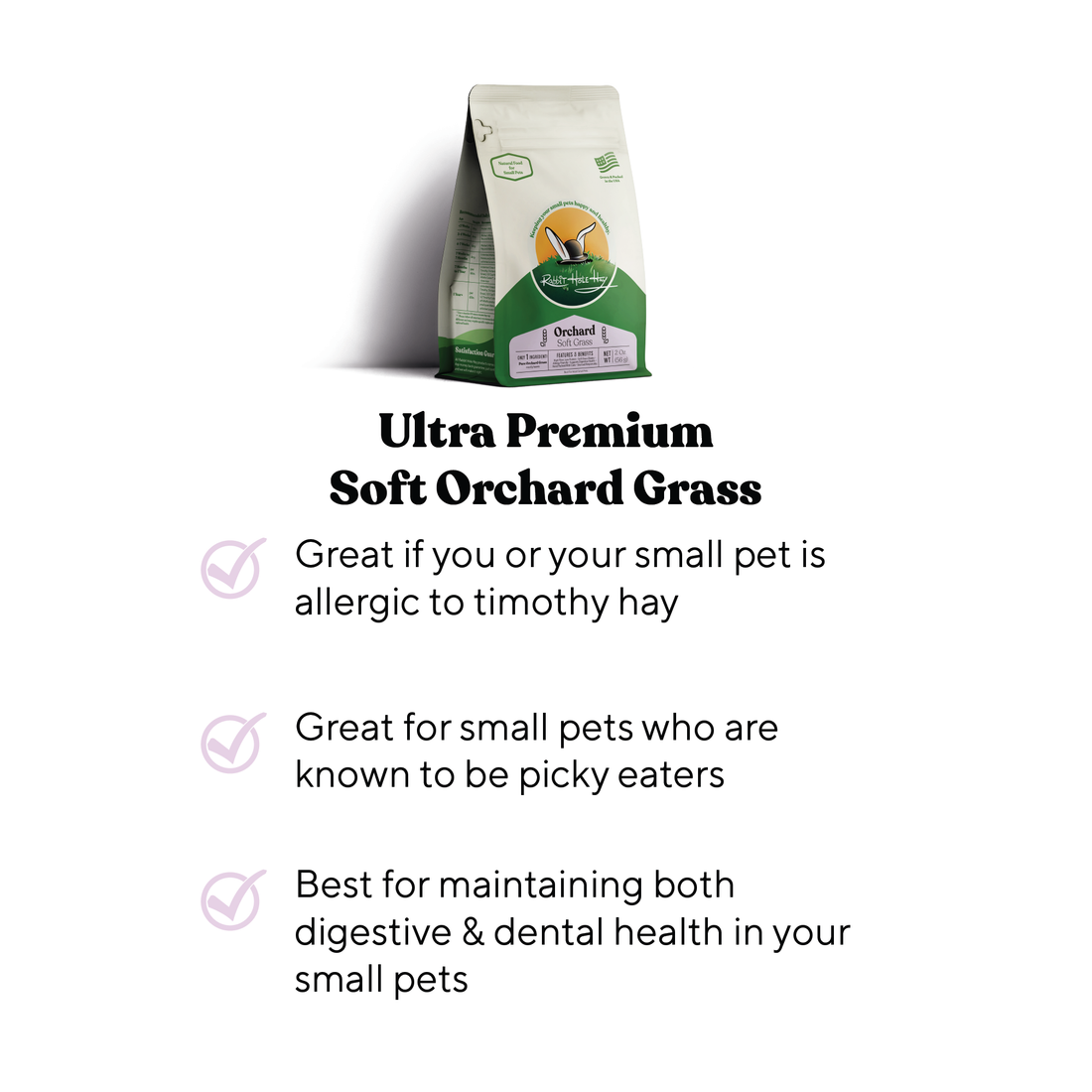
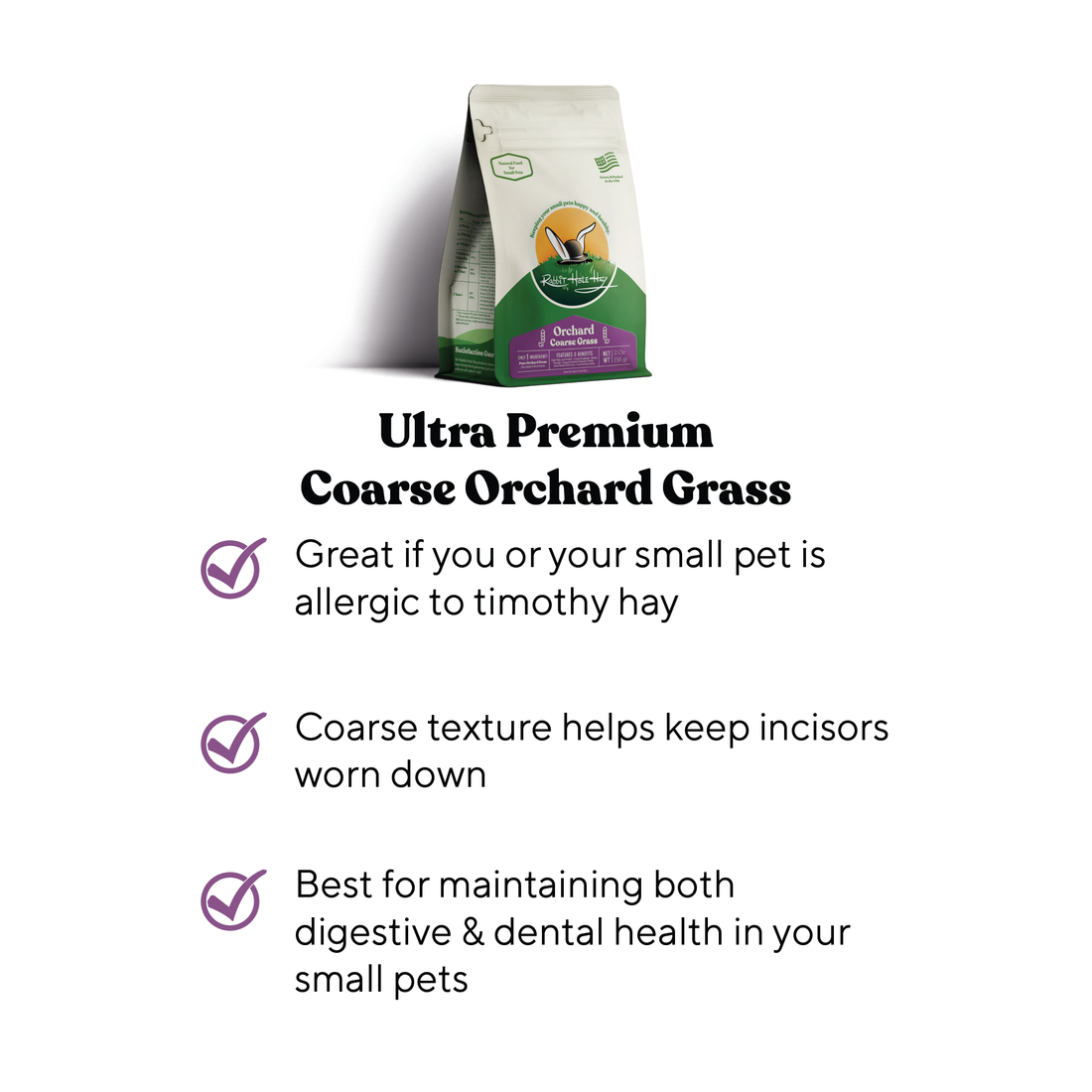
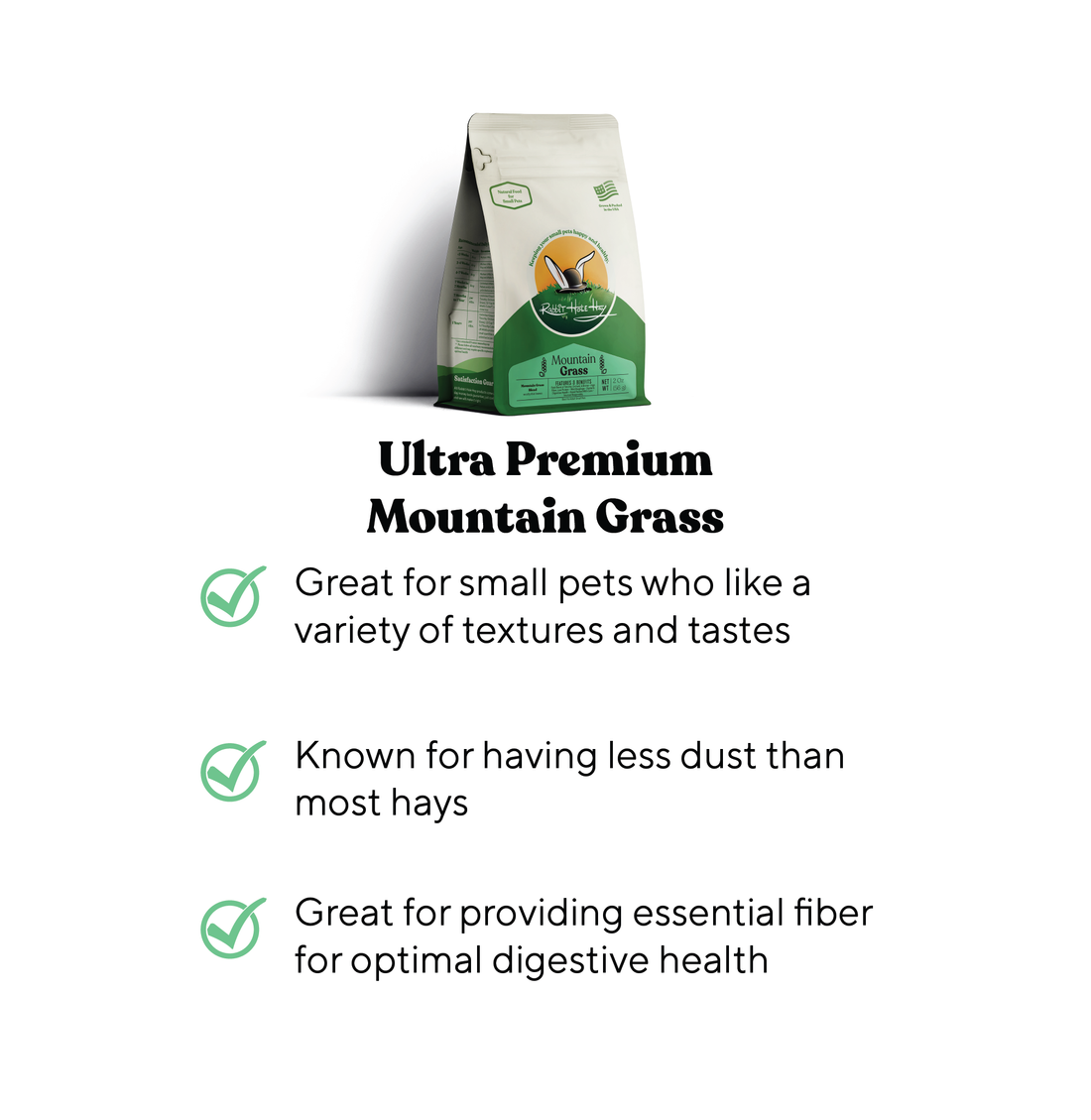
When you're not in treat-making mode, remember that the tastiest thing for your rabbit is still hay. But not all hay is the same. Some bunnies prefer the coarseness of Timothy Hay, while others respond better to the smell and softness of Orchard Grass.
If you're interested in rotating hays to keep your rabbit engaged—or want to switch for health reasons—you can download our free hay guide. It includes comparisons between different hay types, feeding tips by age, and advice for allergy-prone rabbits.
Final Thoughts on Making DIY Pumpkin Rabbit Treats
Sharing a seasonally inspired snack with your rabbit can be a fun and rewarding part of your fall traditions. With a few simple ingredients and some careful portioning, DIY pumpkin rabbit treats give your bunny something new to enjoy while still keeping their health front and center.
Whether you're baking these treats for enrichment, bonding, or just because you love spoiling your bun a little, always remember the golden rule: hay comes first. Treats are just the bonus round. Prioritizing hay keeps your rabbit's digestive system healthy and their teeth in check—which means more happy hopping and fewer vet visits.
If you're looking for more ways to keep your rabbit entertained, healthy, and curious throughout the seasons, don't stop here. Explore our blog for tips on curbing unwanted chewing habits, setting up enriching cage environments, or learning how to read your rabbit's behavior more clearly.
And if you haven't yet explored the different types of hay your rabbit might love, take a peek at our hay collection or download our free resource to learn which one fits your rabbit's age, personality, and dietary needs best.
Key Takeaways
DIY pumpkin rabbit treats are safe in small quantities but should never replace hay in a rabbit's diet.
Use plain pumpkin puree and avoid any added sugars, sweeteners, or pie filling.
Monitor your rabbit after introducing new treats—look for any changes in appetite or poop.
Rabbits thrive on variety in hay types, but treats should be simple and limited to once or twice a week.
So go ahead—bake a batch, snap a photo of your bun enjoying a fall-themed snack, and celebrate the season together. Just don't forget the hay pile next to that treat dish.




Comments