


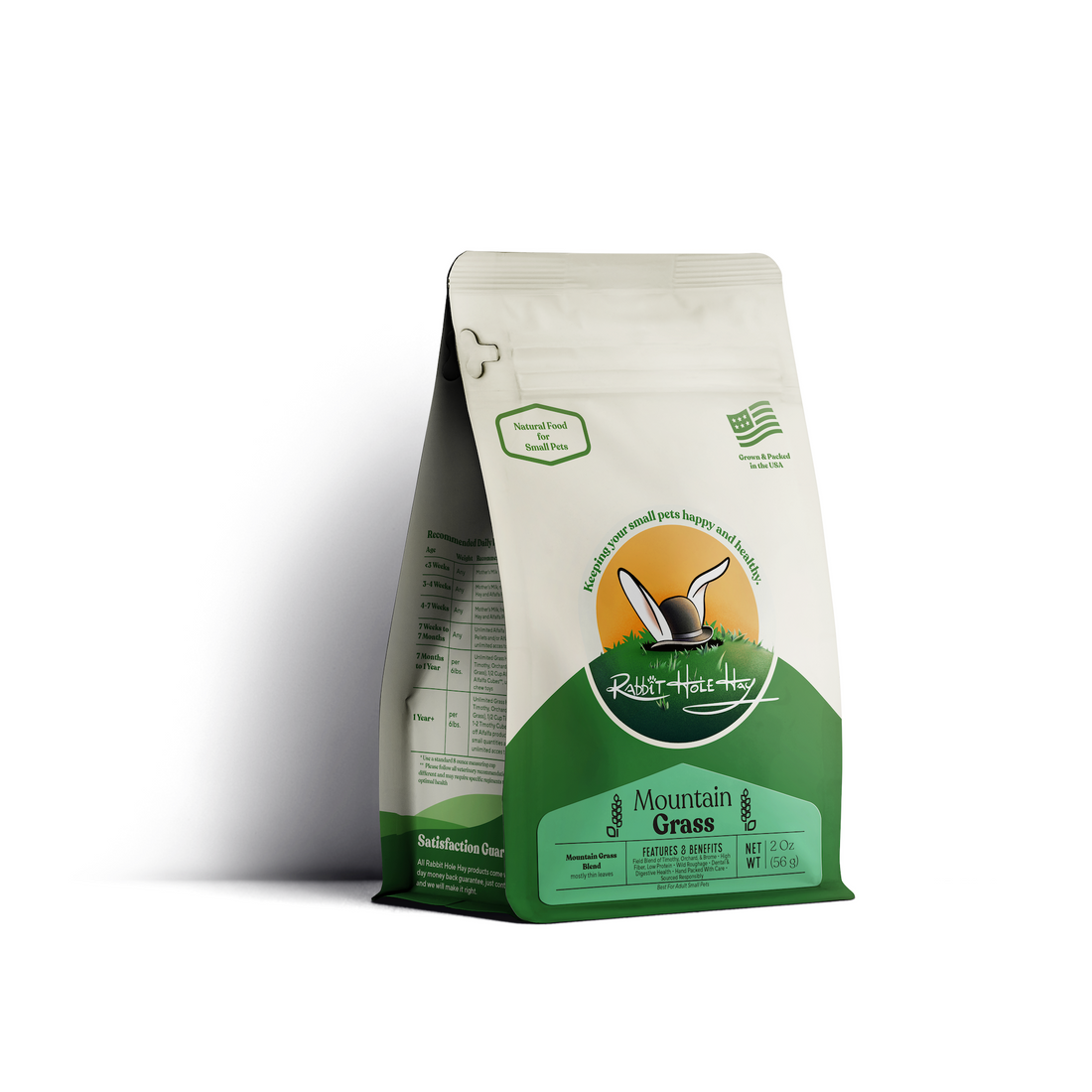

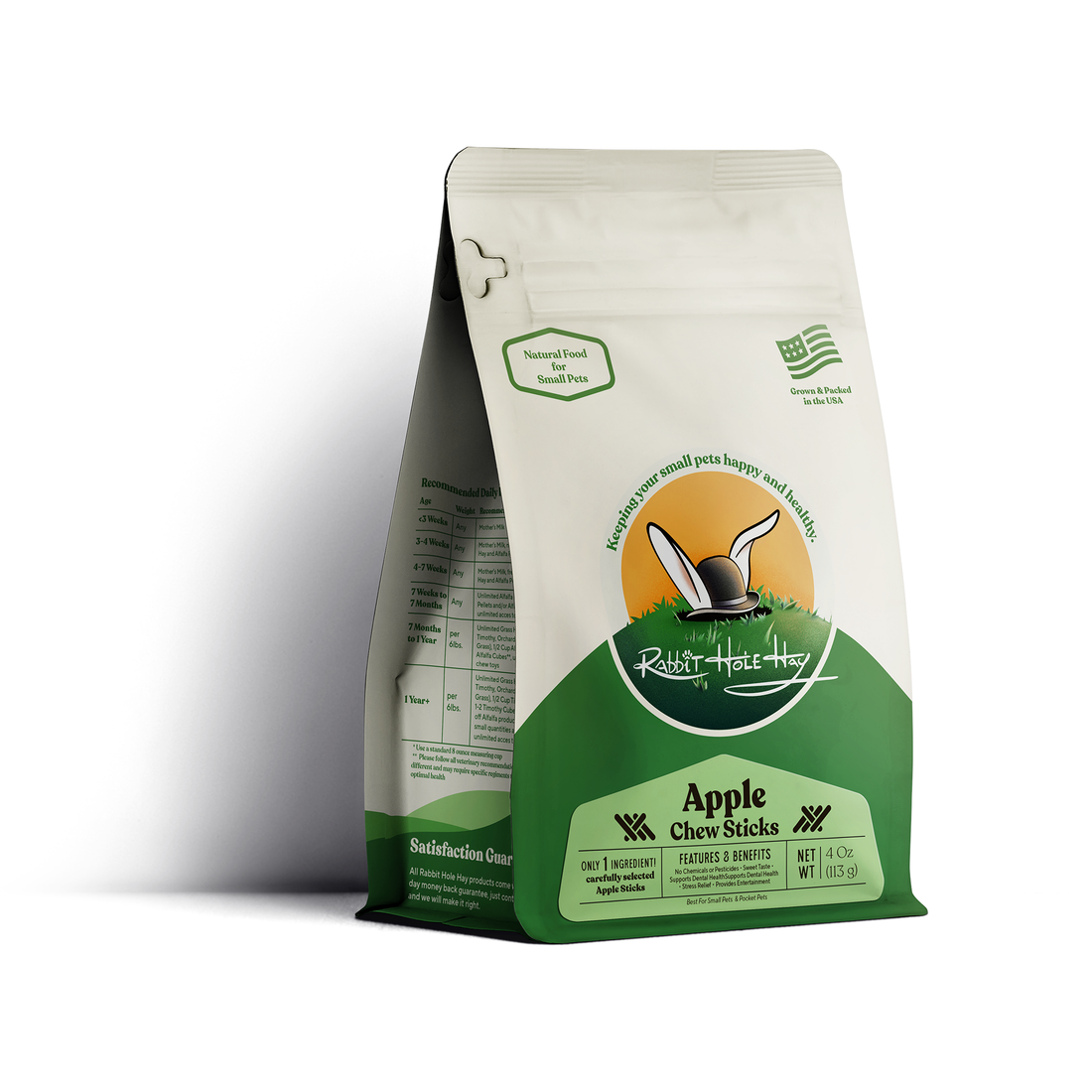



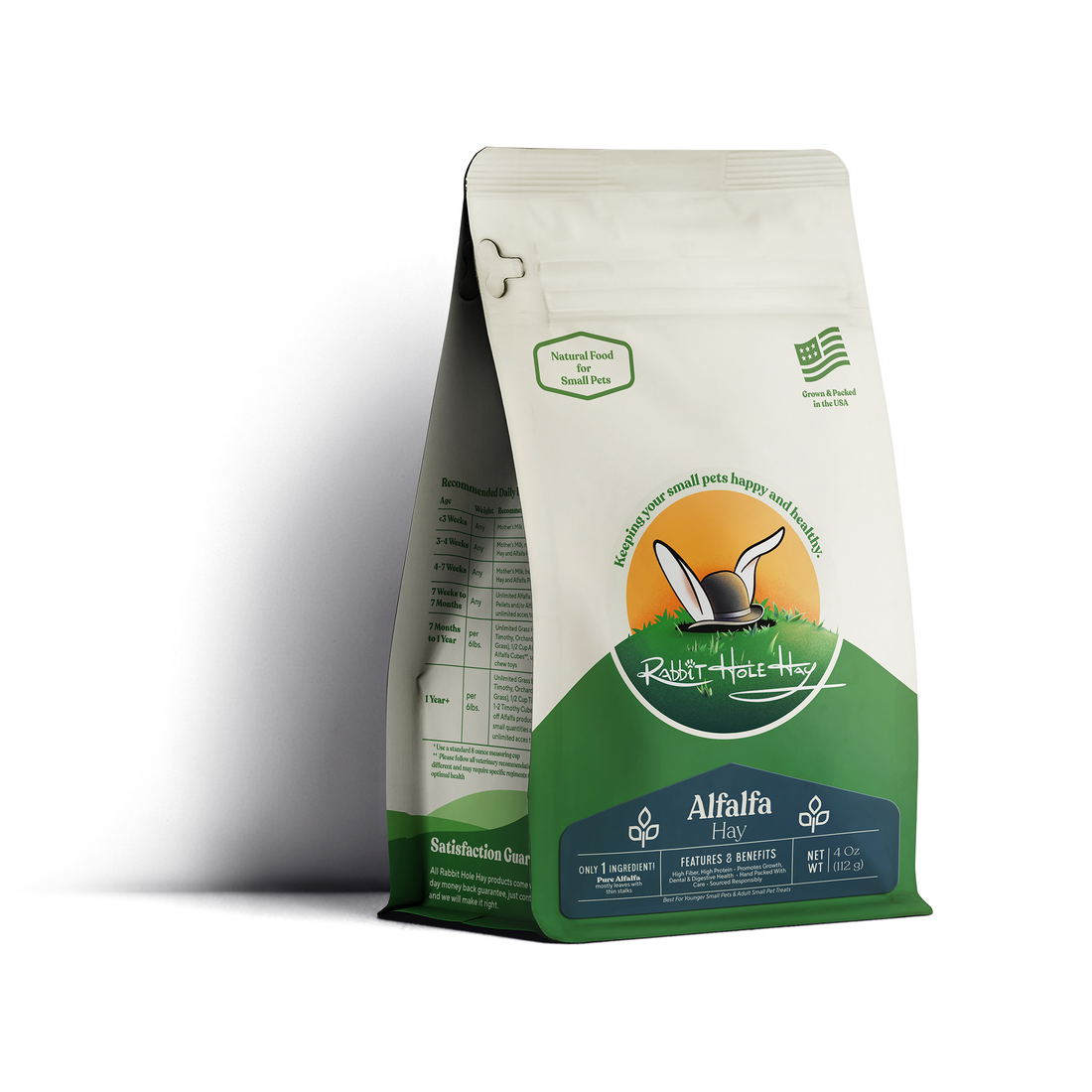
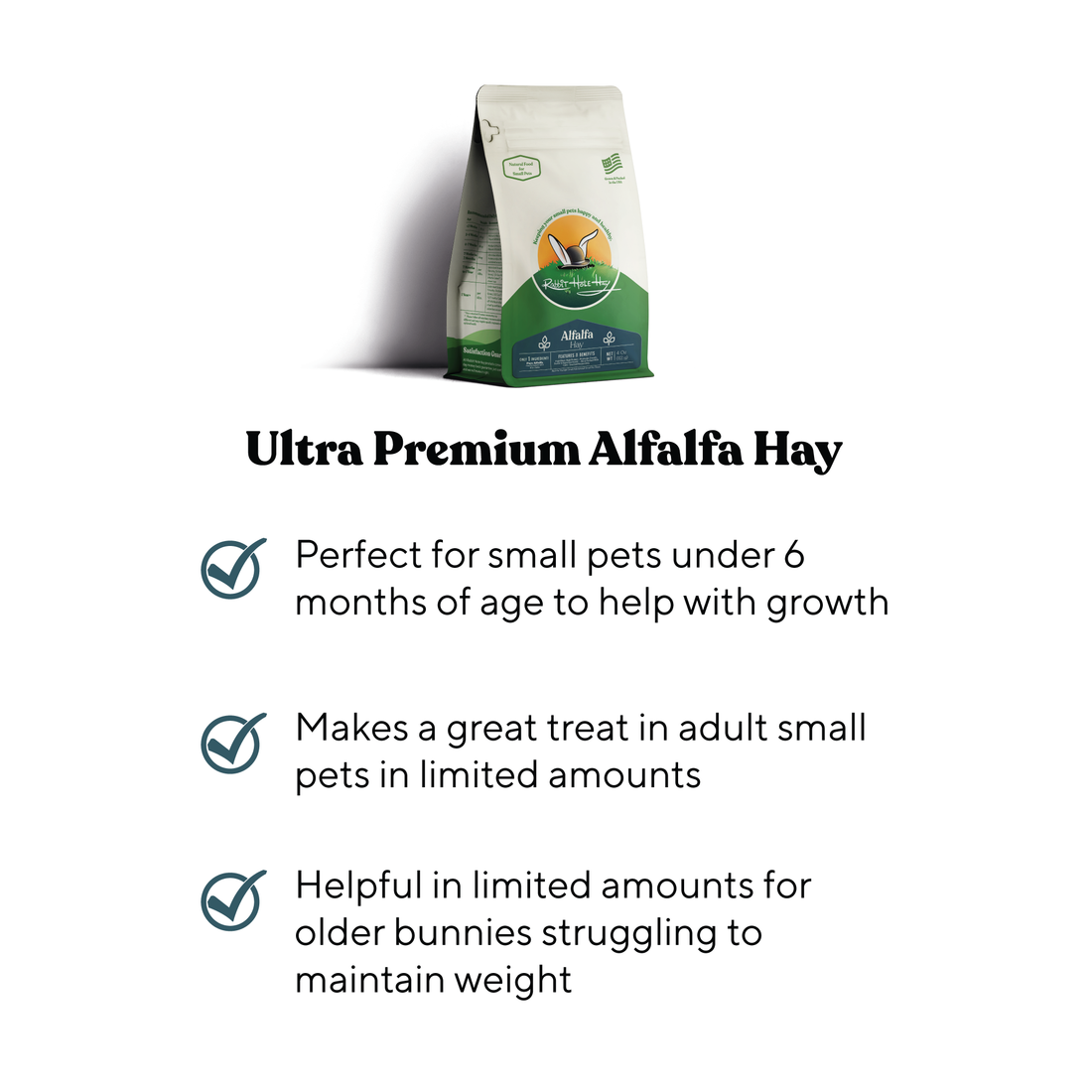















































On the drive home, Alex kept one hand resting on the carrier beside them. Inside, Pip shifted around occasionally, ears alert and nose moving nonstop as every new smell passed by.

That night, Alex started searching one simple question: how long do rabbits live? The answers were all over the place. Some sites said five to eight years. Others claimed twelve or more. Forum threads mixed good advice with miracle supplements and horror stories, leaving Alex more anxious than informed.
The truth is that rabbit lifespan is not fixed. Genetics matter, but daily care matters too—diet, exercise, housing, stress levels, veterinary care, and how quickly health problems are caught and treated. While there are no guarantees, good care can dramatically improve both the length and quality of a rabbit’s life.
This guide focuses on the practical side of increasing rabbit longevity: building habits that help rabbits stay healthier, avoid common preventable problems, and live longer, more comfortable lives.
Throughout this guide, we’ll follow Alex and Pip through the kinds of situations most rabbit owners eventually face. Each section will pair those moments with straightforward advice you can actually apply at home.
About three weeks after Pip arrived, Alex checked in at Maple Exotics for a baseline exam.

Dr. Ruiz ran through hay, housing, water, sneezing, appetite, and recent droppings. Then Dr. Ruiz pointed at a wall chart with ranges for domestic rabbits and notes scribbled in the margin. Alex tried to memorize the span like exam cramming; Dr. Ruiz slowed things down.
“Those figures describe a crowd,” Dr. Ruiz said. “Today we are looking at one rabbit.”
Alex asked what a house rabbit owner should actually plan for when every website seemed to name a different number of years.
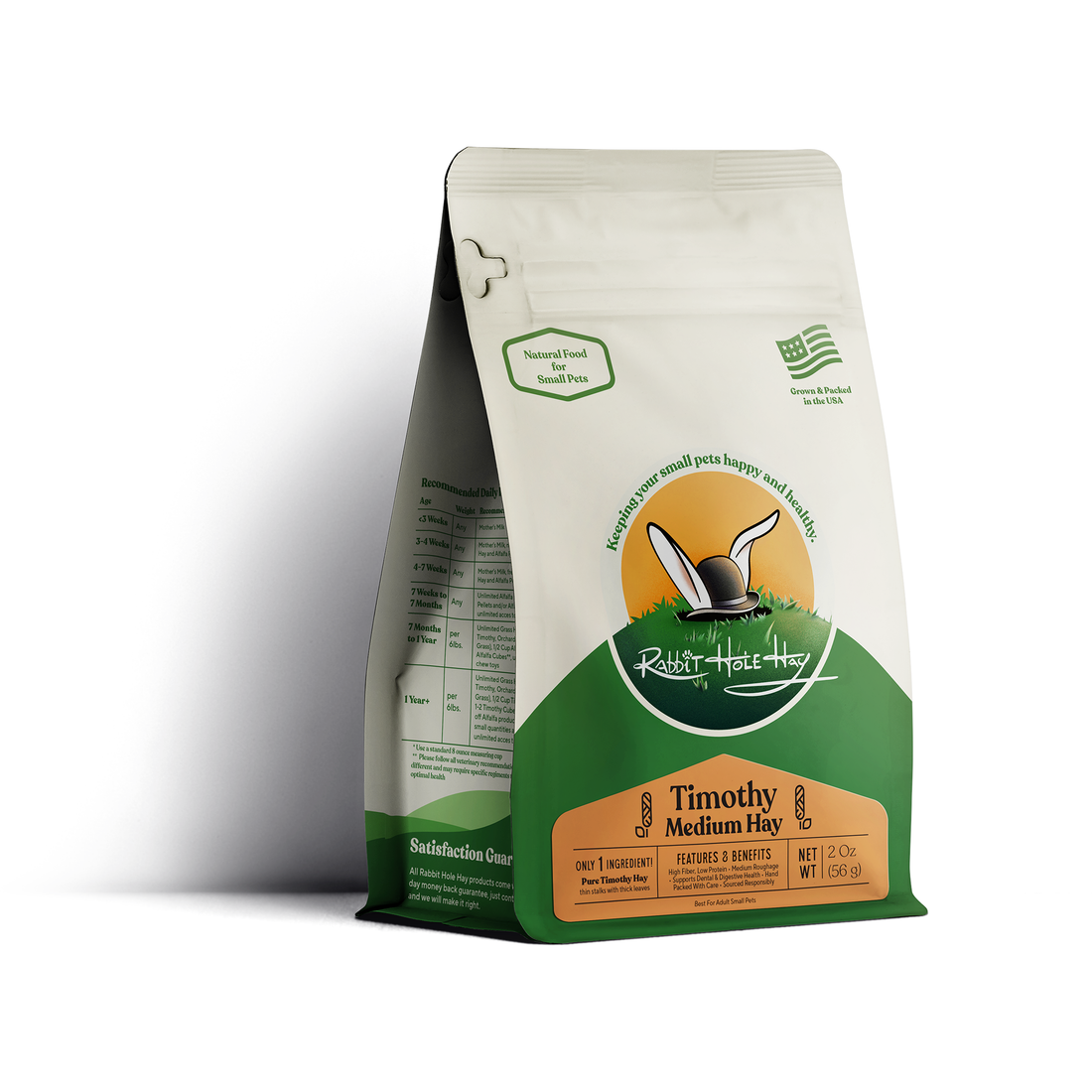
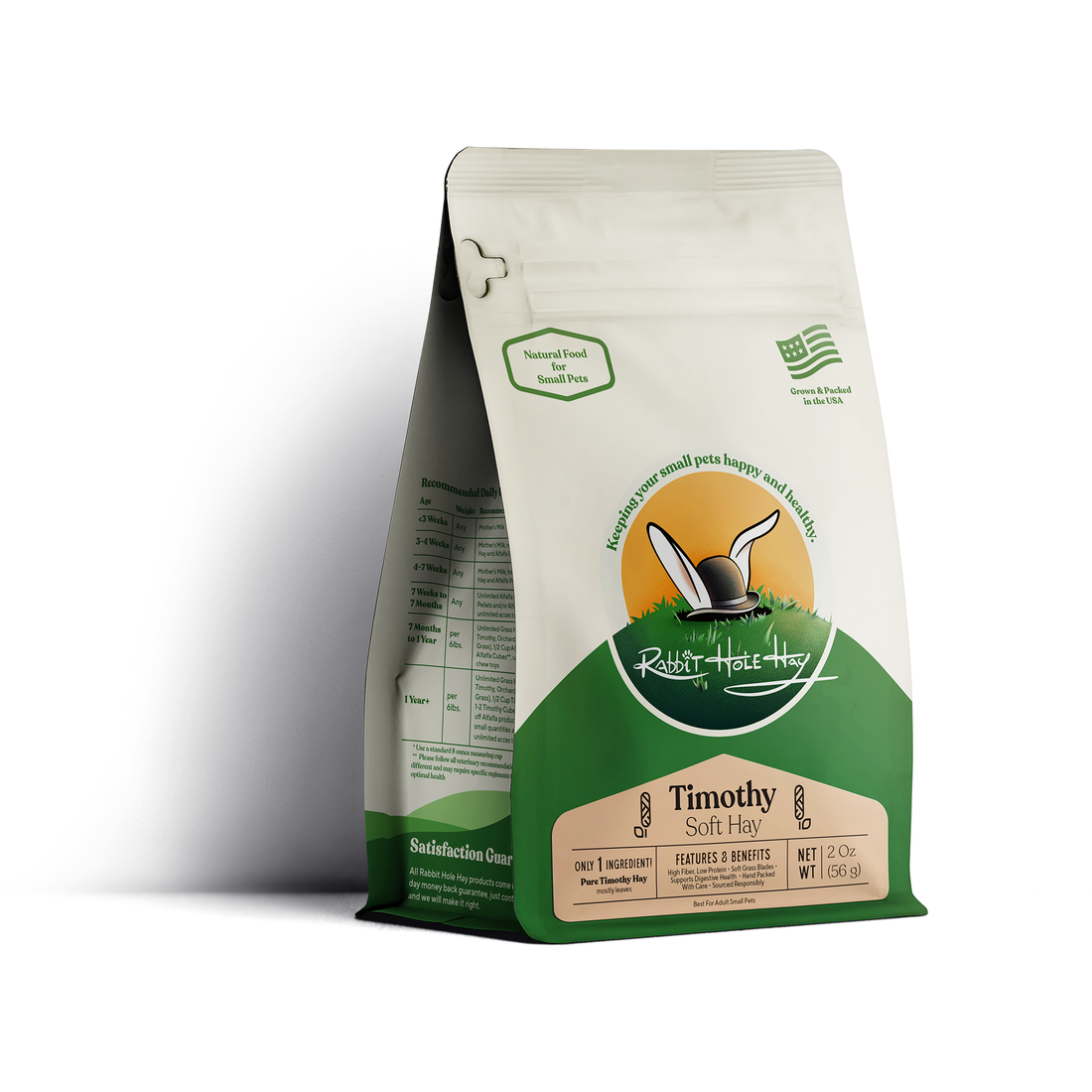
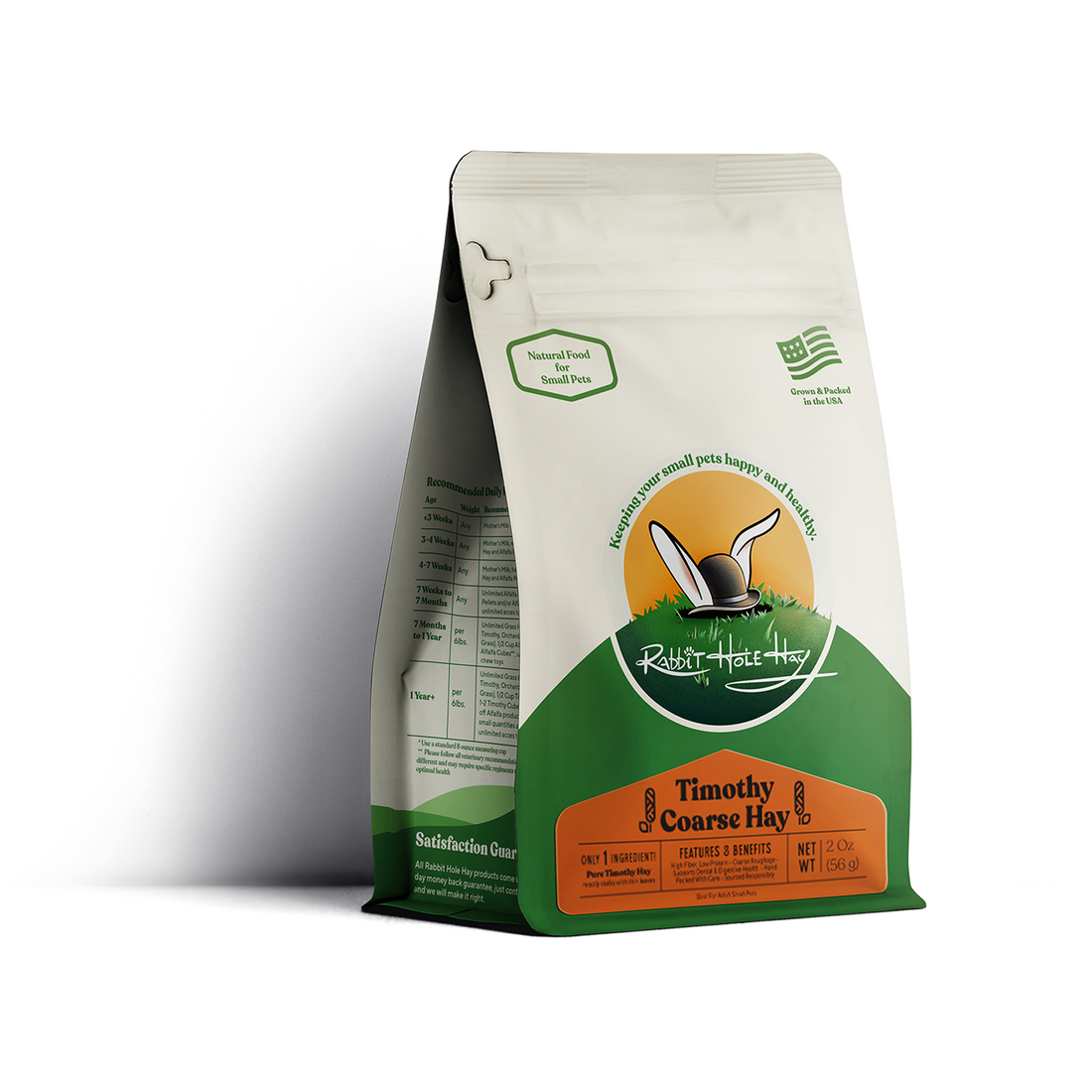
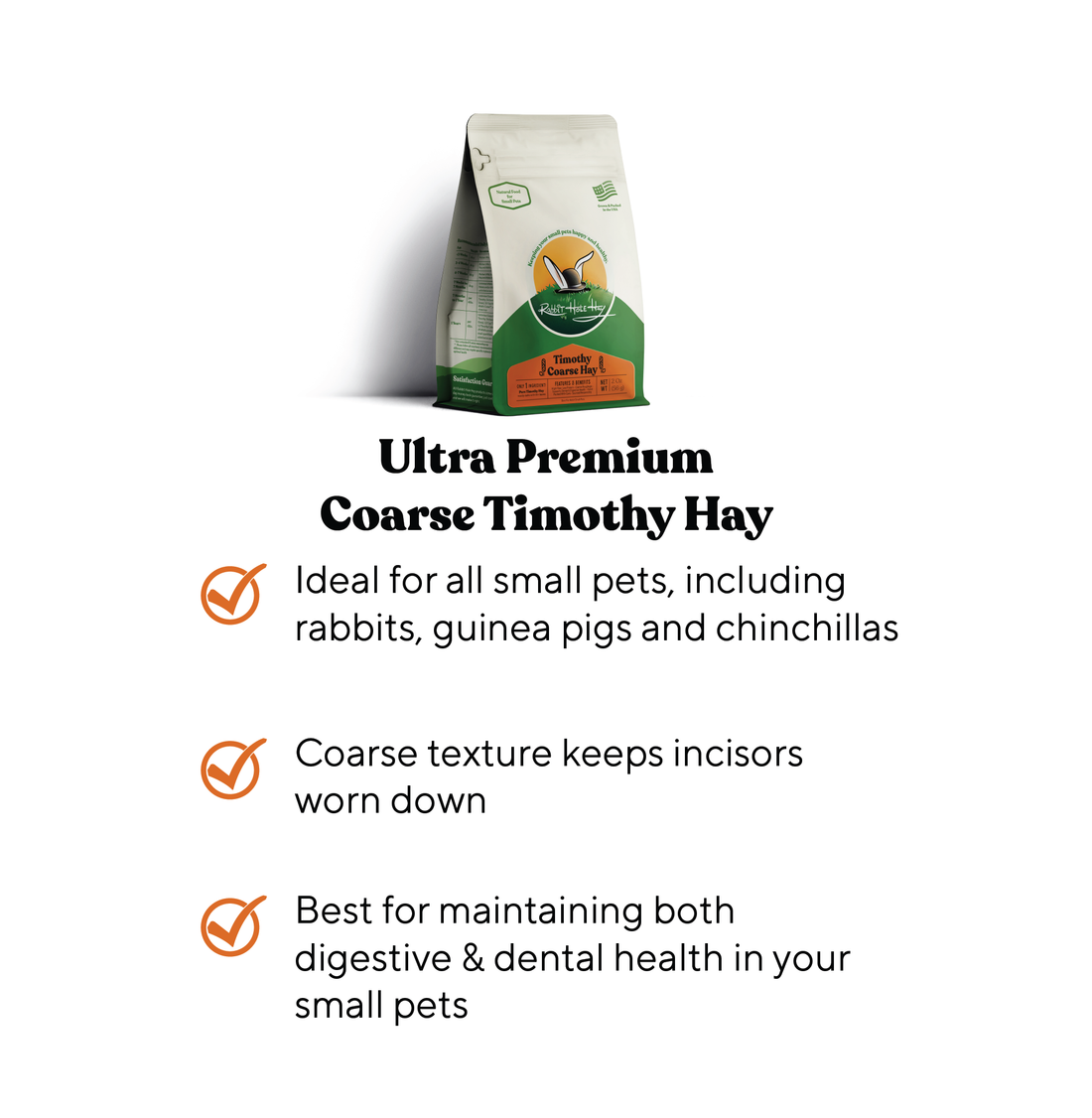
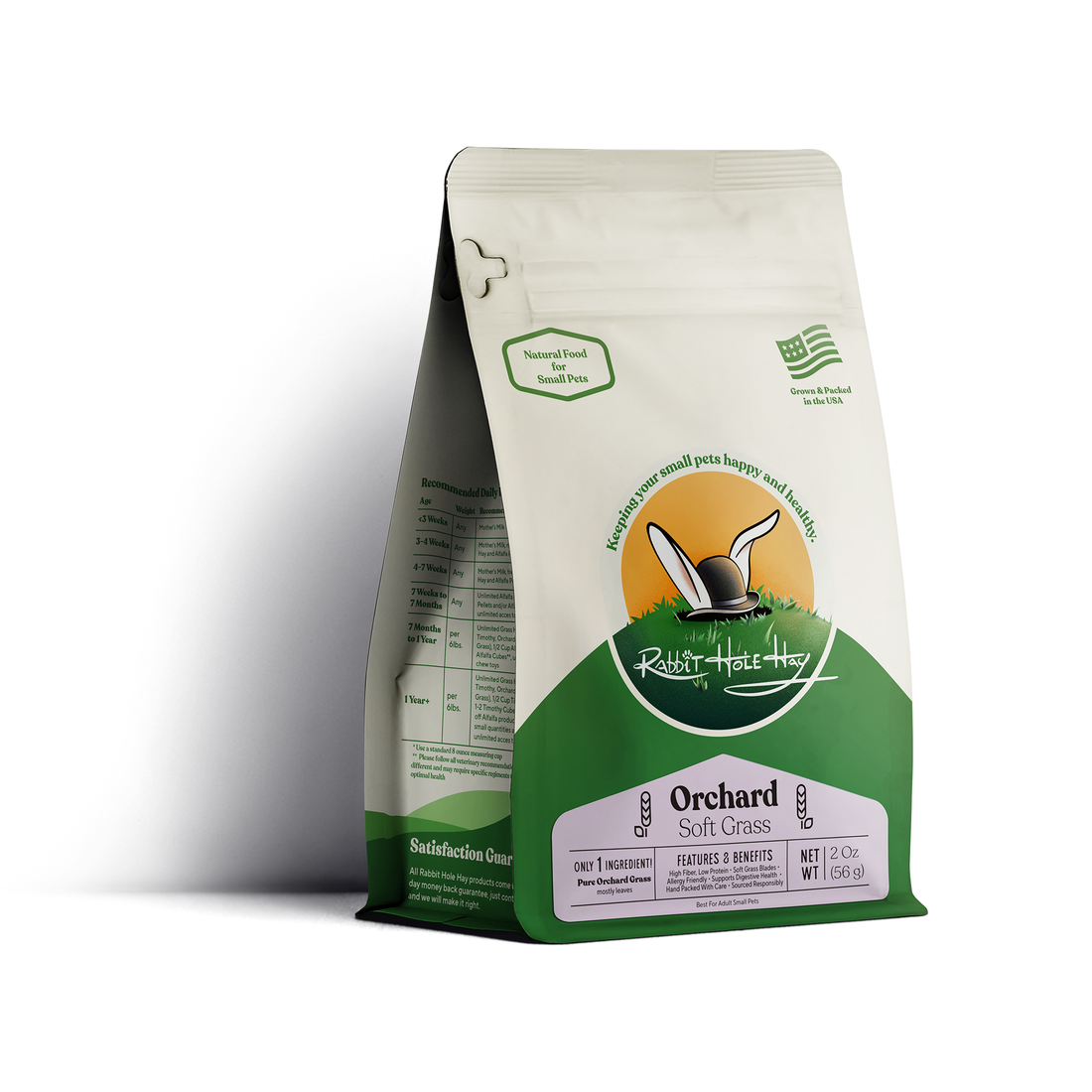
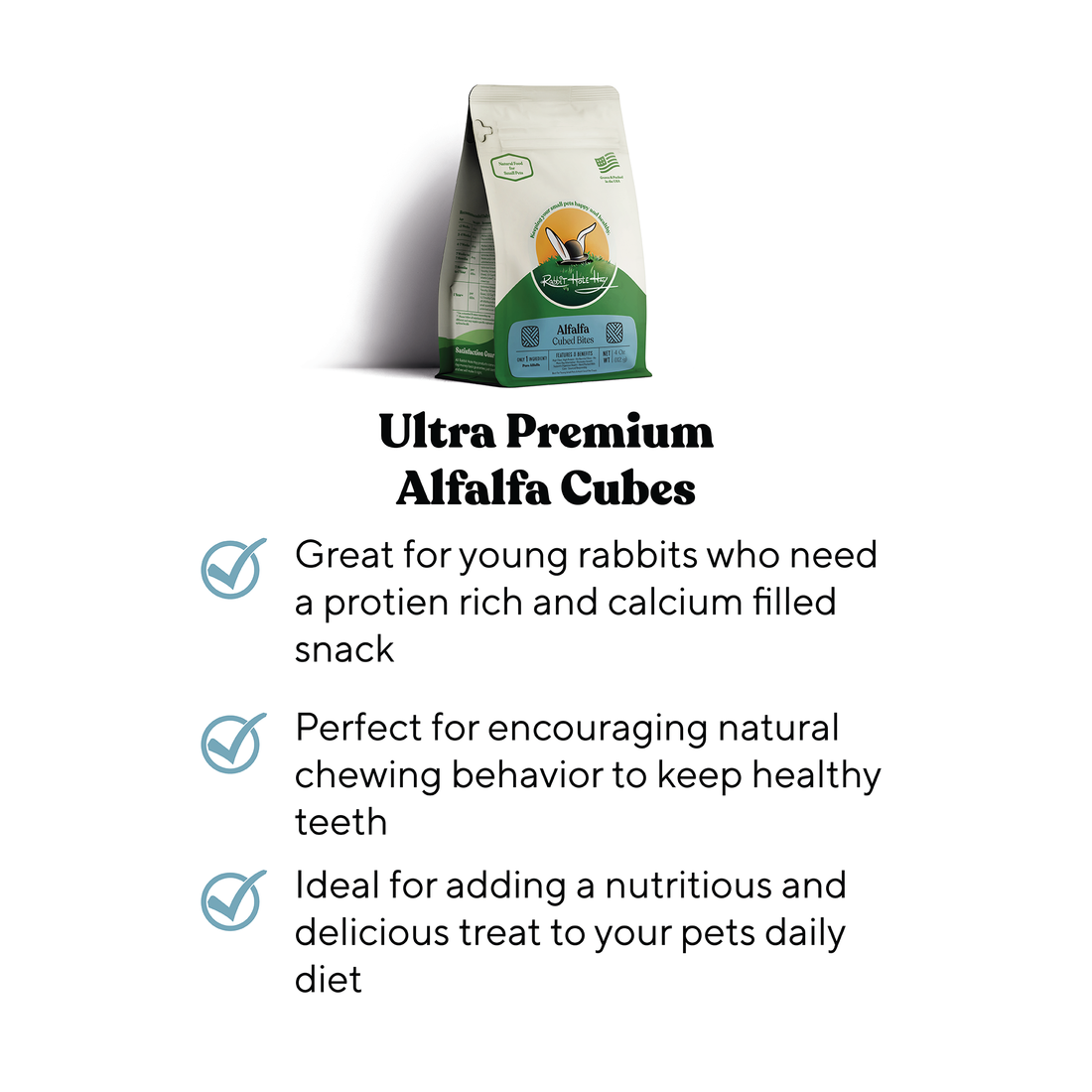
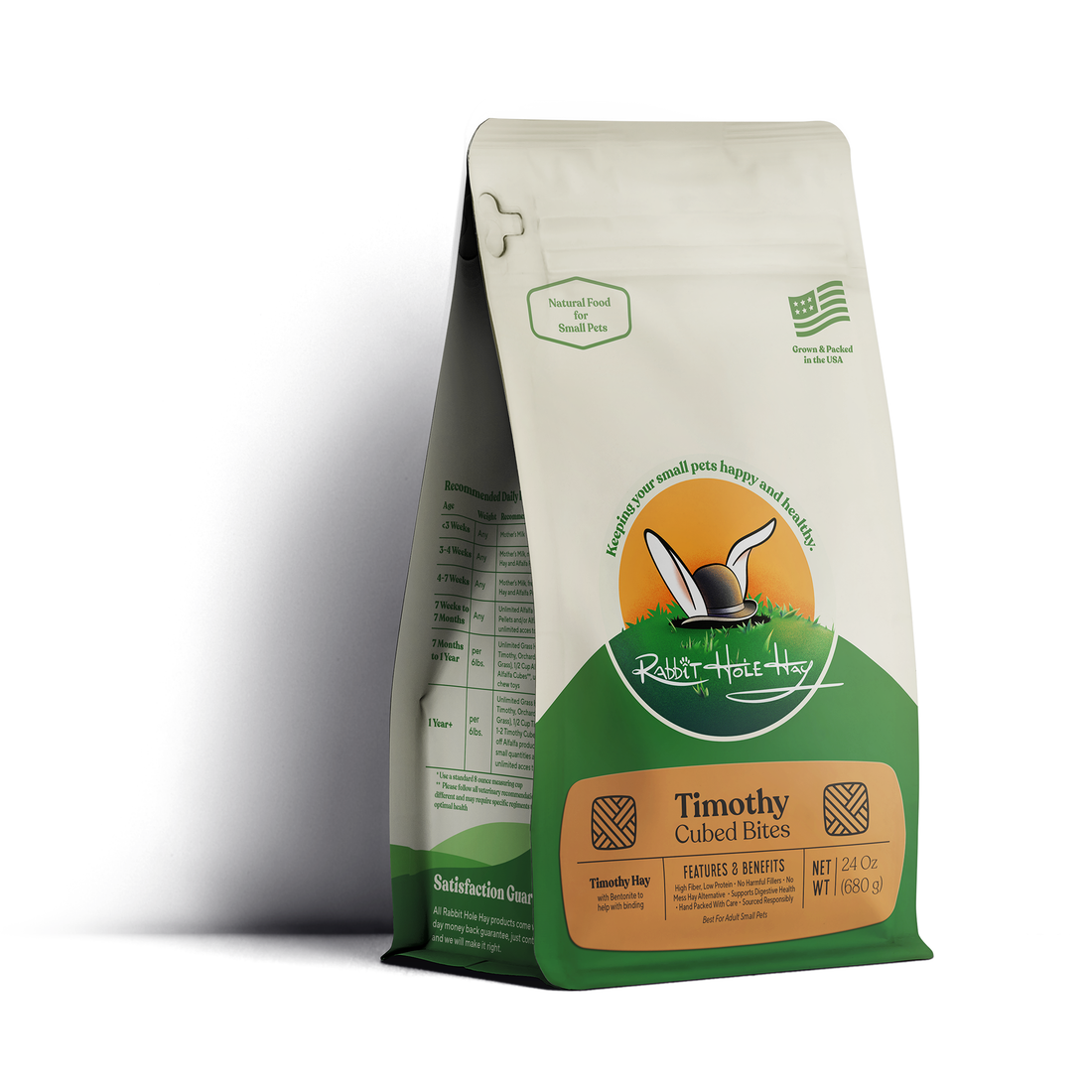
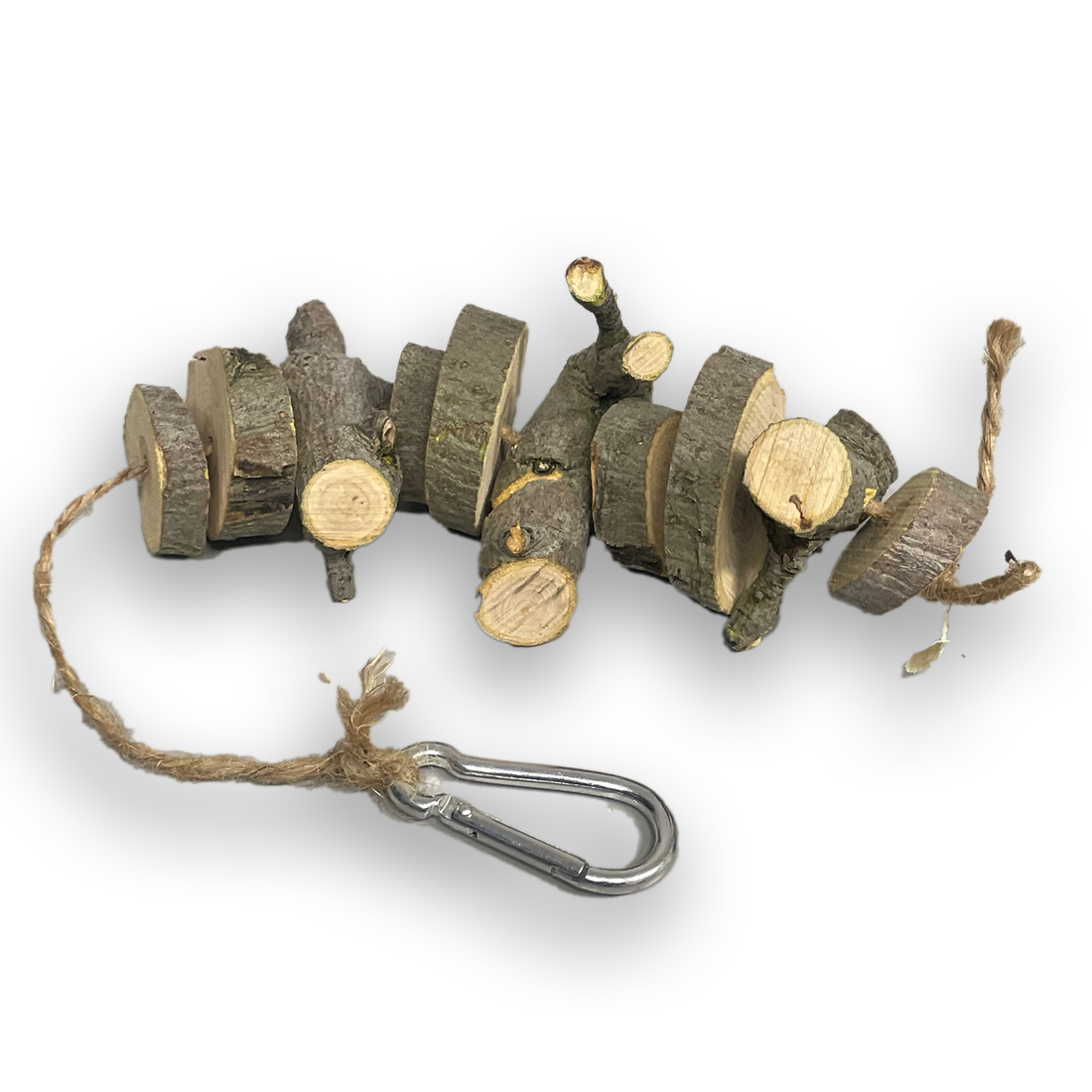
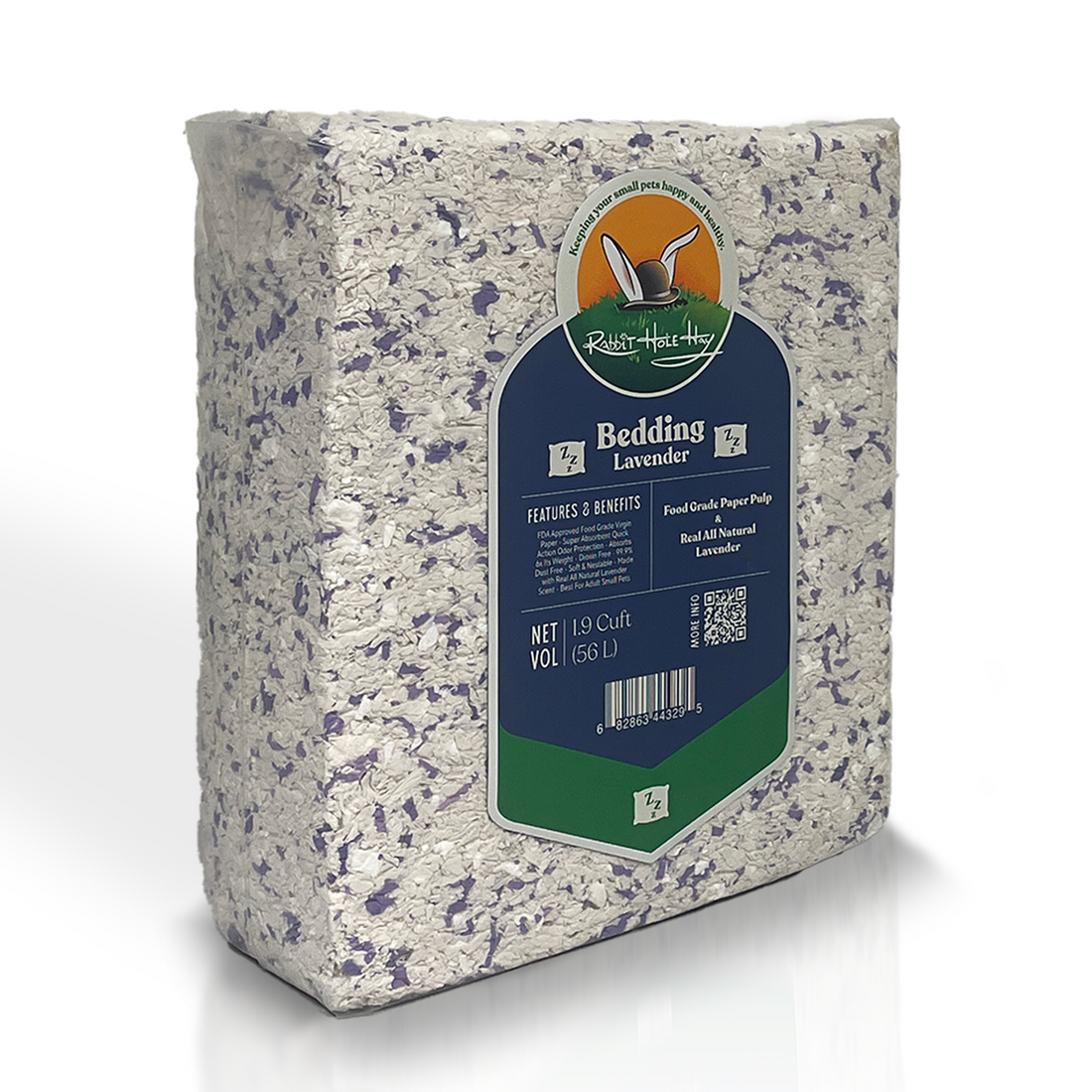
If you have sat in a similar exam room with the same itch in your throat, you already know why this topic gets noisy online. If you have not booked a wellness visit yet, a baseline visit still beats figuring it all out during a crisis. Rabbit Hole Hay’s rabbit starter kit can help you line up everyday supplies while you look for a veterinarian who regularly sees rabbits.
Here is why those search results rarely line up cleanly, even when every source means well.
How Long Domestic Rabbits Usually Live—and Why the Internet Can’t Agree
Why one search returns different numbers
First, lifespan is not fixed. It is influenced by genetics, the rabbit’s condition at adoption or rescue, illness, injury, and whether problems are caught early. The ranges you see quoted for pet rabbits often land somewhere around five to twelve years depending on the source and what population they were thinking about. Indoor rabbits with steady hay, space, and preventive vet care frequently live longer than rabbits did in decades when they were often treated as low-maintenance cage pets, but genetics and bad luck still matter.
Second, the phrase “domestic rabbit” hides a lot of variety. A rabbit living indoors with rabbit-savvy care, safe exercise, and routine exams is not the same risk picture as a rabbit getting limited daily care with little veterinary support or enrichment. Nonprofit guidance such as the RSPCA rabbit welfare pages and the ASPCA overview of rabbit care tends to stress everyday needs instead of promising a single miracle age, and that is deliberate.
Older articles and broad national estimates sometimes leaned toward shorter bands because they blended more living situations, reflected less familiarity with rabbits as house pets, or rounded down to keep expectations cautious. Newer companion-focused material often trends longer because more people now understand hay-first feeding, indoor housing, parasite control when it applies, and early signs of gastrointestinal trouble. None of that removes genetic limits. It changes how often rabbits land in the upper part of a realistic band.
When your aim is increasing rabbit longevity, treat published ranges as background context. They describe what is common for large groups. They do not pin down one rabbit living on your floor.
What “average” looks like in a clinic
Baseline visits feel formal at first, and then they become routine. A clinic that works with exotics usually wants a snapshot of what is normal for your rabbit: weight, heart and lung notes, teeth or diet touchpoints when relevant, and a diet review. You also want a plain plan for after-hours trouble instead of defaulting to frantic searching. The House Rabbit Society hosts a large FAQ collection on rabbit care that many families use to double-check symptoms, but it does not replace hands-on care when something seems wrong.
During visits like that, “average” meant the printed band plus weight trend and vitals—not one snapshot staring up from the paper. Steady appetite, movement, normal droppings, and sensible weight tracking usually matter more across appointments than any single headline number.
When weight drops while appetite still looks fine, droppings shrink for more than a day, or posture reads painful, that is usually reason enough to call sooner rather than riding out the weekend.
Most households get more mileage from noticing appetite or poop changes early than from memorizing one lifespan quote off a blog. Most of increasing rabbit longevity comes down to ordinary routines repeated consistently.
Habits that turn ranges into real life
You do not need a perfect week to be a good caregiver. You need a structure you can repeat.
Know your rabbit’s normal. Learn what typical appetite, energy, posture, water use, and droppings look like so drift shows up before it snowballs.
Book the vet before midnight. If the first time you look for a rabbit-experienced clinic is during an emergency, everything is harder.
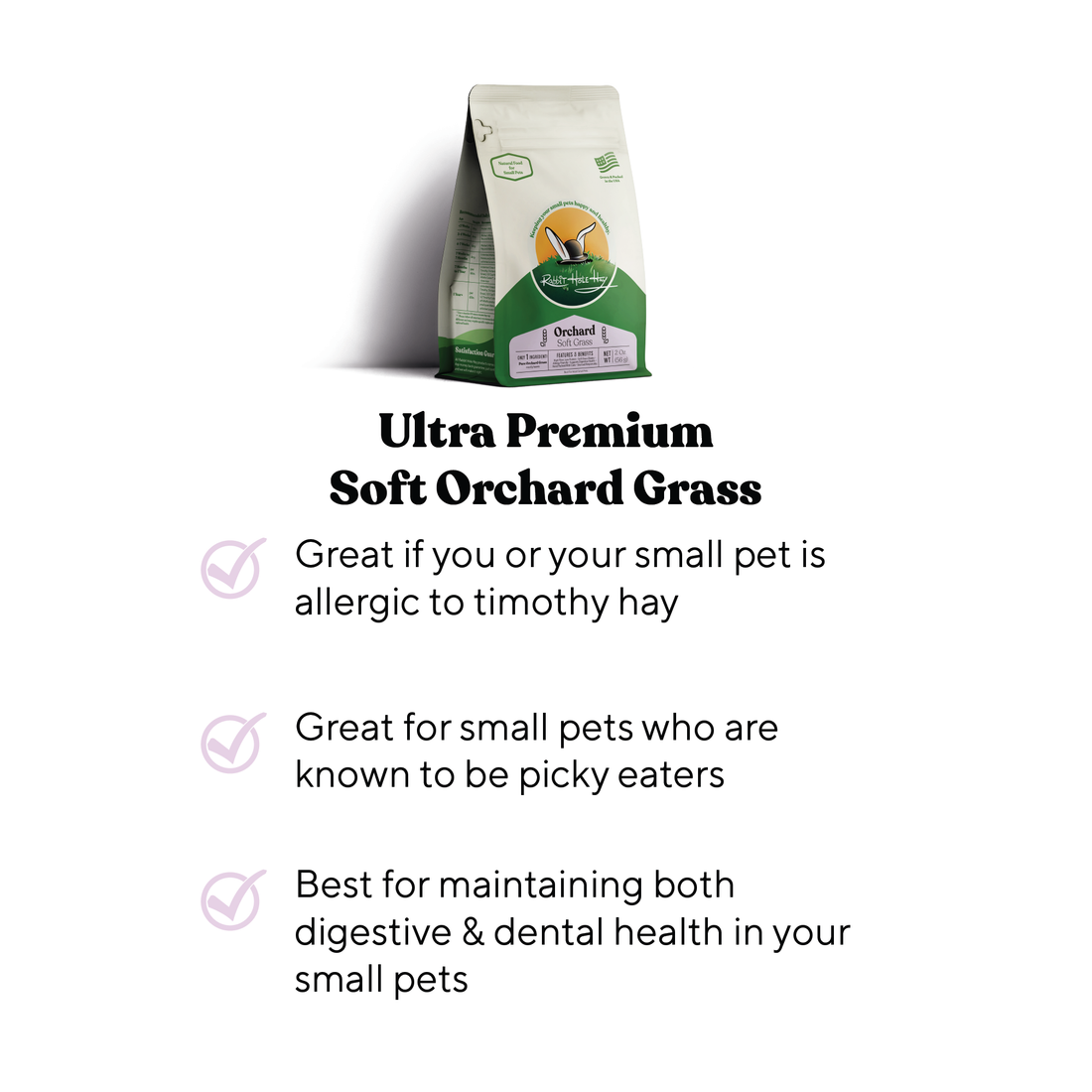
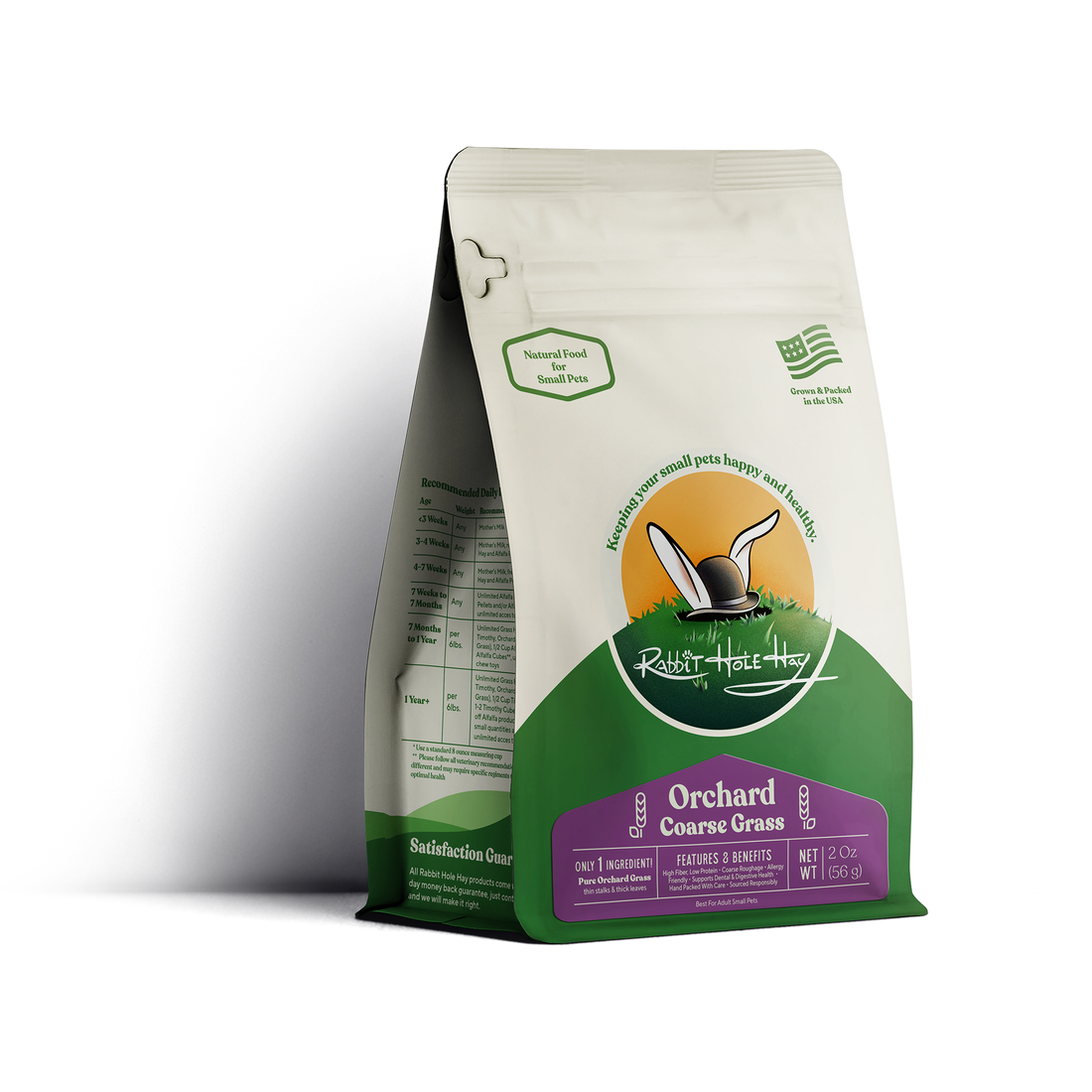
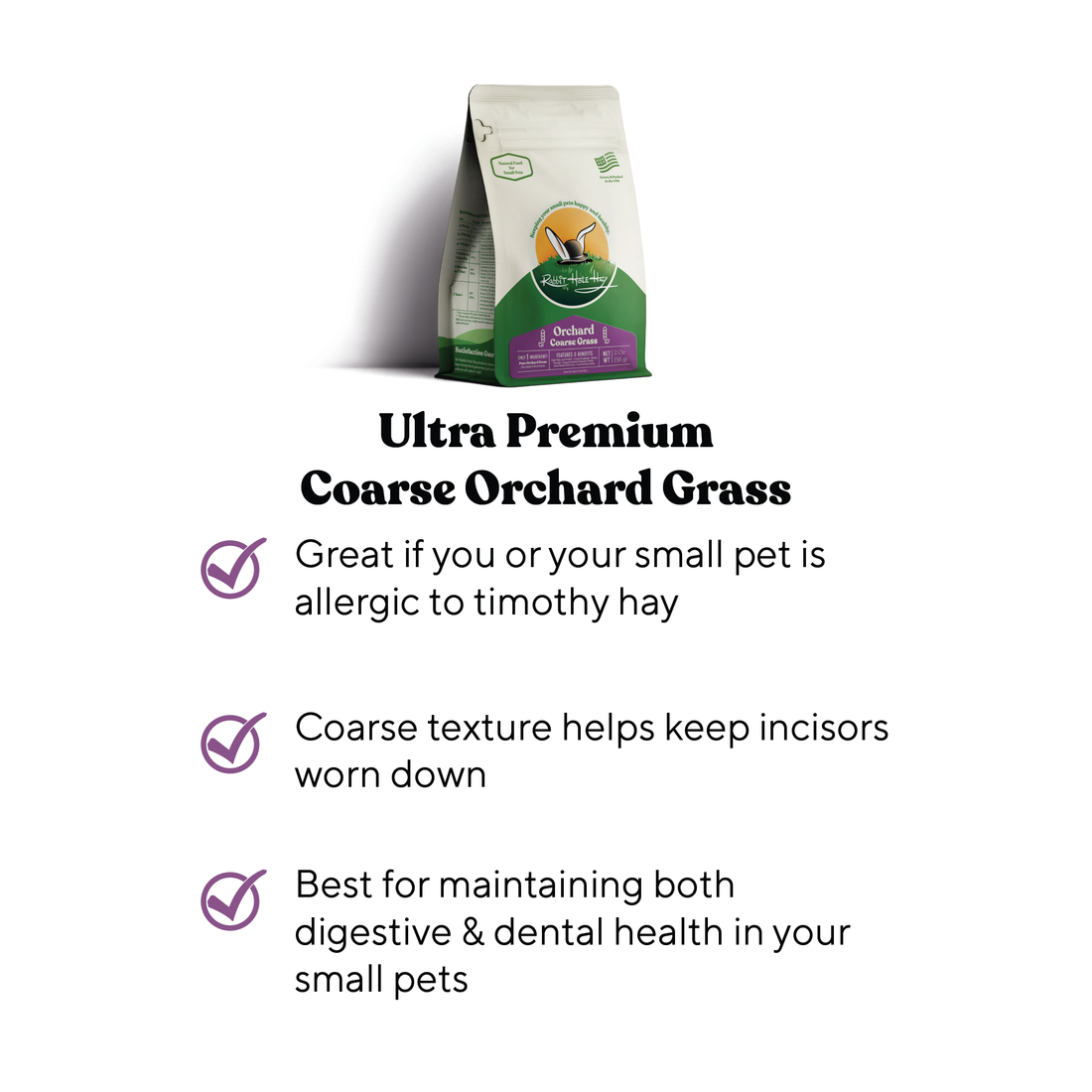
Keep fiber first. Long-term health leans on constant suitable roughage for adults, sensible pellets for most house rabbits, gradual diet changes, and vegetables introduced carefully. For a full walkthrough of hay, storage, and picky eaters, Rabbit Hole Hay’s rabbit hay and feeding guide is the companion piece to this article.
Notice weird days without assuming disaster. One sleepy afternoon might be nothing. Smaller droppings three mornings running, hay left untouched overnight, or hiding when someone normally greets you at the gate deserves a vet message even if you feel silly sending it.
Fix boring hazards. Chewed cords, unsecured dogs, dirty litter areas, and overheated rooms hurt rabbits every week in ways that never look cinematic until they are catastrophic.
Keep hay and water honest even on busy days. What lands in the bowl beats good intentions scheduled for tomorrow.
Adjust when you learn better. Most owners get at least one assumption wrong at the start. Updating the plan is part of the job, not a personal failure.
Expectations without obsessive clock-watching
It is fair to want a ballpark when you are committing to a rabbit. It is also fair to refuse to turn that ballpark into nightly anxiety.
Alex left with weight scribbled on paperwork, reminders about hay and treats, and a follow-up slot booked before anything needed to feel urgent.
Online lifespan ranges are useful for context, but day-to-day care has more impact on what a rabbit’s actual life looks like. Later sections dig into diet, housing, enrichment, veterinary partnership, prevention, and life stages with checklists you can skim or study.
Keep chart ranges around for reference. Spend daily attention on appetite, poop, weight notes, and timely vet replies when something shifts. That is how increasing rabbit longevity turns into rinsing bowls on Tuesday—not waiting until midnight panic before you call.
A year in, Alex started taking slow evening walks along the paved edge of the city park when the weather was mild. Pip rode in a soft carrier against Alex’s hip, nose working the air like a tiny detection system.

One early spring night, motion caught at the scrub line: a small wild rabbit frozen for half a second, then gone into the shadows. Pip’s ears shot up. Alex pulled the carrier a little closer without thinking, as if bodies and luck were suddenly easy to confuse.
Later, at home, Alex kept turning the moment over. The wild rabbit looked like Pip in outline only. The risks were not the same. The averages you read online are not the same, either—and that mismatch trips people up when they try to compare “rabbit years” across two different lives.
If you have ever stood in that kind of pause, holding a carrier while your mind does quick math on danger, you already get the emotional side of this chapter. The practical side is simpler: wild and pet rabbits can look alike at a glance, but they face different threats—and online lifespan quotes rarely spell that out.
Pets vs Wild: The Two Different Kinds of “Rabbit Years”
Why wild averages look so short
Wild rabbits spend their days balancing food, shelter, reproduction, and the constant possibility of becoming someone else’s meal. Weather swings, parasites, infectious disease, cars, cats, dogs, habitat loss, and plain bad luck all show up in population data.
Search results do not always label whether a chart is describing backyard wildlife, managed colonies, or companion rabbits kept indoors. Mixing those columns is one easy way to walk away convinced that rabbits are doomed—or miraculously immortal—based on the wrong population.
Because of that stack of hazards, many sources quote rough average wild lifespans of about one to three years. Individuals can live longer—especially where pressure is lower—but ecologists still talk about high “turnover” in wild populations. High reproduction rates help the species persist even when many individuals do not reach old age.
Those numbers are not a judgment on wild animals. They describe a life spent without routine veterinary care, climate-controlled shelter, predictable food, or protection from predators. A short average in the wild does not mean wild rabbits are “failing.” It means the world is loud out there.
What changes for a house rabbit
Indoor companion rabbits face a different set of day-to-day pressures. Consistent hay and water, safer temperature, parasite control when a vet recommends it, neutering and spaying in many regions, prompt treatment for pain and infection, and fewer surprise predators all shift the odds.
That shift is why the ranges in the last section can look so far from wild statistics. It is also why comparing Pip to a backyard cottontail is not a tidy A-to-B matchup. Domestication, individual history, breed size, and daily care all sit in the middle.
When you are working on increasing rabbit longevity at home, you are mostly lowering avoidable risks, building steady habits, and partnering with a veterinarian who knows rabbits—not recreating wilderness in a living room.
Same basic biology, different daily pressure
Rabbits are prey animals with fast metabolisms and digestive systems built around steady fiber and movement. In the wild, foraging fills the day and exercise is not optional. In the home, fiber and movement still matter; the difference is that you supply the hay, the space, and the schedule.
Stress behaves like a quiet tax on health in both worlds, but it shows up differently. Wild rabbits sprint, hide, and listen. House rabbits freeze on the floor when a blender startles them or a dog presses the pen. Good housing, predictable routines, and careful introductions to other pets help keep that tax from running high day after day.
If you want practical context for safe outdoor sniffing versus true “outdoor lifestyle” risk, Rabbit Hole Hay’s guide on keeping your rabbit safe walks through enclosures, supervision, and hazards that matter in backyards and beyond.
If you find injured wildlife or a nest
Wild rabbits are not stray pets waiting to be folded into the next chapter of your house. In many places it is also illegal—or simply unkind—to try raising a wild kit on cat milk and good intentions.
For backyard nests and the tricky “are they abandoned?” question, Rabbit Hole Hay’s article on what to do if you find wild newborn bunnies explains how mothers visit rarely on purpose and how to avoid doing more harm than help.
If an adult wild rabbit looks injured or trapped, step back, keep pets away, and contact a licensed wildlife rehabilitator or your local wildlife authority for your region. General guidance such as the RSPCA’s overview of injured wildlife can help you think through safe containment and when to stop handling. The House Rabbit Society’s newcomer resources also draw a bright line between domestic pets and wildlife when people are unsure what they are looking at.
What to take into the rest of this guide
Wild numbers are a useful reminder of how much environment shapes risk. They are not a blueprint for judging a house rabbit—or for feeling smug about indoor life.
Pet keeping is a human choice with human responsibilities. The point of the comparison is humility: wild rabbits stitch survival together without hay deliveries on schedule or a clinic that already knows their weight. Increasing rabbit longevity in your home is about steady care, early help, and boring good habits that belong in later sections on food, space, enrichment, and veterinary partnership.
Alex did not need a lecture that night—just a clearer frame. Pip still depended on the same ordinary things waiting back at home: hay, clean water, routine, and somebody noticing when something changed. Out past the scrub line, none of that existed for the rabbit who vanished.
The clipboard said “young adult,” “spayed,” and “social with calm handling.” Under breed, someone had printed “medium mix—possibly lop influence,” which sounded polite and vague at the same time.

Alex remembered the night before: tabs open on a phone, breed photos lined up like mugshots, lifespan charts copied from different sites that did not quite agree. One page cheerfully promised double-digit years for dwarfs. Another sounded grim about giants. Alex tried to treat the numbers like a contract and felt foolish almost immediately. Pip was a single rabbit, not a spreadsheet row.
At the desk, the volunteer shrugged in a kind way. “We label what we can. You’ll learn who she is in your house.” Alex signed, paid the donation fee, and told themselves they were committing to a rabbit—not to an estimate pulled off the internet.
If you adopted from a rescue, bought from an ethical breeder, or inherited a rabbit whose paperwork is basically “brown and confident,” you have probably done the same late-night math. Breed hints can be useful. They are not a promise stamped on one animal.
Breed, Size, and Genetics: What’s Likely (and What Isn’t a Promise)
Why adoption paperwork rarely settles the breed debate
Shelters and fosters often guess from ears, weight, coat, and attitude. Mixed rabbits are the norm in rescue, not the exception. Even pedigree rabbits can surprise you once they are eating your hay and dodging your laundry basket.
That fuzziness matters because online lifespan charts are frequently sorted by breed name. If your rabbit’s label is uncertain, treat ranges as loose background noise until your veterinarian knows weight trends, dentition when relevant, and medical history.
Mixed rabbits might inherit ears from one ancestor and jaw structure from another. Two litter mates can age differently even when they look alike in photos. Paperwork labels rarely capture that scatter, which is why clinics lean on exams instead of breed quizzes.
For a fuller tour of shapes, coats, and everyday tradeoffs between breeds, Rabbit Hole Hay’s rabbit breed guide stays grounded in companion reality—not perfection.
The size pattern most owners hear about
In broad strokes, larger rabbits often carry more wear on joints and cardiovascular systems over time. Many charts therefore show shorter typical bands for big breeds than for small ones. Individuals still step outside those bands all the time.
A giant breed kept lean, housed on forgiving flooring, and seen regularly by an exotics-savvy veterinarian can outlive a tiny rabbit fed mostly treats and skipped wellness visits. Genetics shapes the starting point. Daily care still changes outcomes.
If you share walls with a big bunny or are weighing whether you have space for one, the companion-focused overview of large rabbit breeds spells out housing and orthopedic realities without turning size into destiny.
Typical quoted lifespan bands for common companion breeds
Think of the list below as a desk reference—numbers publishers repeat, not guarantees. Rabbits age on their own schedule.
American: often cited roughly 8–12 years
Dutch: often cited roughly 5–8 years
English Lop: often cited roughly 5–8 years
Flemish Giant: often cited roughly 5–8 years (many reach older ages with steady preventive care)
French Angora: often cited roughly 7–12 years
Holland Lop: often cited roughly 7–10 years
Mini Lop: often cited roughly 7–14 years depending on the source—when you see that wide a gap, read it as “individuals vary.”
Mini Rex: often cited roughly 7–9 years
Netherland Dwarf: often cited roughly 8–12 years
Rex: often cited roughly 6–8 years
If your rabbit’s breed is not on the list, ask your veterinarian how size and skull shape might affect dental monitoring, calorie targets, or arthritis screening later on. General wellness guidance still applies across breeds; the ASPCA’s rabbit care overview is a sensible refresher on baseline husbandry expectations.
Genetics as ceiling, habits as leverage
Some families inherit heartbreaking luck—early cancers, congenital heart problems, stubborn dental malocclusion. Care shifts odds; it cannot erase every inherited weak spot. You can still reduce avoidable risks: obesity, dusty hay, skipped vaccines where recommended in your region, chaotic introductions to dogs or cats who still have hunter instincts.
Dwarf skull shapes sometimes track with dental or airway issues worth monitoring sooner rather than later. That is not a vote against adopting small breeds—it is a vote for hay-forward routines and vets who actually look at teeth.
Partnership with clinic staff who regularly treat rabbits matters here because subtle breed-linked issues show up faster to trained eyes. Rabbit Hole Hay’s article on choosing rabbit-savvy veterinary care pairs with the locator tool at Rabbit Hole Hay’s vet locator page when you are still hunting for the right practice.
If you care about increasing rabbit longevity, spend less energy debating breed prestige on forums and more energy tracking weight, fiber intake, litter habits, and whether tomorrow’s vet appointment is already on the calendar.
What Alex carried home instead of panic
Pip’s paperwork never answered everything ahead of time. It stayed a sketch: medium mix, friendly, already recovered from her spay. Alex taped the vaccine reminder card inside the pantry cabinet next to feeding notes.
Breed averages helped Alex picture rough guardrails—nothing more.
The real work of increasing rabbit longevity showed up later in hay piles, litter checks, and routine contact with Maple Exotics when something looked off.
Later sections cover diet, housing, enrichment, preventive habits, veterinary partnership, and age-related changes in more detail.
Six months in, Alex kept notes on paper because phones died at bad moments and handwriting slowed panic spirals long enough to breathe. Most entries looked insultingly dull: hay refreshed, water topped off, litter scooped, weigh-in scribbled next to last week’s number.

The scary stretches wrote themselves in sharper ink—hay barely touched for an evening, smaller droppings for two mornings, or Pip parked in a corner when dinner noise usually pulled her forward. Those lines led to texts with Maple Exotics, rearranged shifts at work, and the ugly realization that panic arrives faster than useful answers.
Alex started noticing the pattern backward. Calm stretches stacked tiny repetitions Pip never applauded. Rough stretches turned one skipped habit into a spotlight.
If your calendar looks similar only without the clipboard obsession, you already understand why longevity articles frustrate people. Everyone wants one lever to pull. Most of what protects rabbits is an uneven pile of ordinary chores that rarely photograph well.
Friends asked whether Pip felt boring yet. Alex laughed louder than the joke deserved because boring meant bowls emptied overnight.
Increasing Rabbit Longevity: The Small Decisions That Stack Up Over Time
What actually moves the needle
If increasing rabbit longevity sounds vague from the outside, from the inside it often looks like repeating small wins until they stop feeling notable. Genetics still matters. Breed paperwork still matters a little. Neither replaces hay that shows up tomorrow morning.
Think of care as overlapping buckets rather than a ranked leaderboard. One bucket can patch another for a while—a calm message after you skipped weighing your rabbit matters—but gaps left open across several buckets eventually invite trouble.
You might ace hay for months and still lose ground if cords creep back onto the floor because everyone got tired of tucking them. That is maintenance slipping, not a moral verdict on whether you love your rabbit.
Rabbit Hole Hay’s rabbit starter kit page still belongs on your bookmarks tab while you assemble those buckets. It lines up staples without pretending hay magically replaces veterinary judgment.
Six themes worth repeating
Older companion-rabbit guides—including Rabbit Hole Hay’s earlier lifespan articles—often boiled longevity down to six blunt themes owners recognize once they stop chasing miracle powders. None of the buckets demand superhero budgeting on week one. They mostly ask you to notice what already slips when life speeds up. Here is what each bucket means in plain English.
Medical partnership. Baselines on file, dental awareness when relevant, someone who treats rabbits regularly instead of guessing once a year from dog protocols. Earlier sections nodded at Maple Exotics on purpose—having a clinic that already knows Pip’s baseline pays off most when trouble arrives quietly instead of announcing itself.
Environment and housing. Enough floor space for honest hops, hiding spots that feel safe, temperatures that do not swing wild, cords tucked away before curiosity wins, and airflow plans worth revisiting whenever heat spikes hit.
Weight on honest rails. Treat faces still happen. Waistlines still matter. Extra ounces sneak up during stressful seasons until hopping looks heavier.
Food built around fiber. Suitable hay stays center plate for adults. Pellets behave like supplements. Produce earns introductions slowly with veterinary blessing when allergies or calcium quirks appear.
Activity and enrichment. Enrichment matters because rabbits cycle through boredom even when hay piles look generous. Toys rotate. Mats invite binkies. Presence counts.
Daily observation habits. Poop logs beat psychic powers. Grooming catches mats before skin argues. Slow mornings checking posture beat heroic midnight scrambles. Outside references still help double-check basics—nonprofit summaries such as the ASPCA rabbit care overview stay useful when you want a second opinion besides your notebook.
For hay basics without drowning in jargon, bookmark Rabbit Hole Hay’s Hay 101 guide alongside the feeding companion piece on rabbit hay routines. Fiber threads through dental comfort, gut movement, and mood more than most beginner pamphlets admit.
What comes next
The upcoming sections unpack those buckets like chapters instead of bumper stickers. None of them assumes rabbits schedule crises politely around human vacations.
Diet and weight first. Hay-forward plates, pellet realism, treats that stop sabotaging appetite, and how obesity sneaks into polite households.
Housing and movement. Bunny-proofing that respects curiosity instead of punishing it, flooring choices that forgive joints, indoor hazards worth repeating until ears perk anyway.
Enrichment and bonding. Exercise patterns that survive busy Tuesdays, toy rotations that respect chewing instincts, realistic expectations around companions—rabbit or human.
Veterinary partnership. Interview questions before emergencies, records worth carrying, relief when Maple Exotics—or whoever answers your texts—already knows Pip’s quirks.
Preventive rhythms. Grooming checkpoints, vaccine conversations where regional guidance applies, gut warning signs worth escalating tonight rather than Monday morning.
Life-stage tuning. How kitten-energy rabbits differ from steadier adults and eventually seniors who deserve softer landings.
Rabbit Hole Hay’s article on choosing rabbit-savvy veterinary care bridges nutrition chats into clinic chats without pretending either solves everything alone.
Permission to stay boring on purpose
Alex stopped chasing cinematic breakthroughs after month five. Pip never threw confetti when hay refreshed on time. Alex learned to trust ordinary patterns instead—steady appetite notes in the margins, fewer frantic searches after midnight.
Most movement toward increasing rabbit longevity was easy to miss day to day until Alex looked back across months instead of afternoons.
Your rabbit does not need perfect routines. Most rabbits do better with steady care than dramatic overhauls.
Second year living with Pip arrived without a banner announcement. Alex still got the same hopeful hop at kibble sounds, still found abandoned hay strands under the couch, still told friends she was “doing fine.”

The number on the scale at Maple Exotics disagreed—just by a little, Dr. Ruiz said, tracing the last few weigh-ins like a boring line graph. Not a crisis. Enough drift that Alex stopped shrugging.
At home the pattern was embarrassing once Alex looked honestly. The treat dish on the counter emptied fast. The hay rack looked full from across the room until Alex ran a hand through it and found the chewed stalks nobody wanted hiding a thin layer on the bottom.
If you have ever defended a rabbit’s appetite out of love while suspecting something softer is going on, you are in the right section. Diet is not morality. It is math, fiber, boredom, and habits that pile up faster than Instagram expects.
Diet and Weight: Hay-First Meals, Portions, and the Slow Slide You Don’t Notice at First
Why hay still runs the appointment
Adult rabbits need constant suitable roughage so the gut keeps moving and teeth get the wear they evolved for. That is the unglamorous center of almost every longevity conversation, no matter how polished the pellet bag looks on a shelf.
Hay belongs in generous supply, fresh enough that picky eaters cannot bluff their way through stale layers. Hay belongs off the floor when it helps—racks, boxes, piles in multiple spots—because some rabbits graze more when snacks look like scenery instead of chores. Dust that barely registers on human noses still convinces rabbits dinner is sketchy.
Rabbit Hole Hay’s Hay 101 guide walks types, switches, and picky-eater hacks without pretending one bag fixes every personality. Pair it with the long walkthrough on rabbit hay routines and picky eating when your evening looks more like negotiation than feeding time.
Poor hay habits chew away dental wear, steady guts, and honest weight trends long before anybody posts about an emergency.
They also stall increasing rabbit longevity whenever reassurance replaces hay nobody actually eats.
Pellets are a side dish, not the main story
Pellets can cover gaps when life wobbles, and they matter for balanced minerals in many adult diets. They are also easy to over-pour because kibble feels definitive in a measuring cup.
Most house rabbits benefit from measured pellets tailored to weight and vet guidance, not free-poured bowls that turn into all-day snacks. If you lean on pellets because hay looks wasteful on the floor, you are fretting over the wrong cupboard staple.
Rabbit Hole Hay’s recommended daily feeding chart can help translate life stage into cup talk your kitchen already understands—then you still adjust with your veterinarian when weight or labs say so.
Greens, fruit, and treats with the numbers turned toward you
Vegetables add water, variety, and joy. Introduce them gradually, watch soft droppings or gut grumbles, and ask your veterinarian when a rabbit has a history that makes calcium-heavy greens a bad default. Nonprofit summaries such as the ASPCA rabbit care overview still belong beside—not instead of—what your clinic wants on record.
Treats sell hope in tiny bags. They also train humans to mistake animation for nutritional adequacy. Alex started logging treat pieces the way some people log coffee spend—humbling and useful.
Reserve sweets for training wins, bonding moments, or medication wrapping. Keep the ingredient list boring. Sugar sneaks into “healthy” rabbit cookies the same way it sneaks into human ones.
Weight creep before the drama
Rabbits gain weight on patterns, not single parties. Fewer hops, richer snacks, cozy corners, heat waves, grief, or a pellet cup that grew one “just in case” scoop at a time all show up later on a scale.
Weight matters because extra load taxes joints, complicates grooming, and can nudge disease risk in ways Dr. Ruiz can explain better than any blog paragraph. Gentle trend lines beat surprise jumps.
Monthly weigh-ins on the same scale, same time of day, with the same towel trick your clinic taught you beats eyeballing from above. Snap phone photos from a steady angle when squirming rabbits refuse to hold still—those frames sometimes catch posture drift numbers hide until someone lays prints side by side.
Gut honesty while you tweak the menu
Rabbit digestion rewards gradual shifts. Swap hay species slowly. Trim pellets across several days unless your veterinarian orders faster changes for medical reasons. Watch appetite, activity, and droppings while your rabbit’s microbes adjust.
If hay disappears for more than half a day, droppings shrink fast, or posture reads painful, treat that like urgent vet territory—not a chapter you troubleshoot solo with yogurt drops recommended by strangers online.
For why chewing matters beyond boredom prevention, Rabbit Hole Hay’s article on overgrown teeth and dental strain ties fiber and veterinary timing together without replacing hands-on exams.
What Alex changed without turning the apartment into a spreadsheet factory
Alex bought a cheap kitchen notebook column labeled treats and stopped trusting memory alone. Pip still got smiles—just fewer pastries disguised as love.
Hay refreshed nightly became nonnegotiable even when exhaustion promised tomorrow would handle it. Pellets returned to measured scoops taped inside the pantry door.
Those edits did not earn fireworks, but they still mattered. Food routines this plain are what actually survive busy jobs, noisy apartments, and tired weeks—the boring backbone most plans for increasing rabbit longevity actually lean on.
The charger cable was barely peeping out from behind a side table until Pip treated it like a secret project. Alex heard the scrape-snap rhythm from the hallway, moved without thinking, and found plastic housing chewed clean through and copper glinting where it had no business glinting.

Pip got scooped up, the strip was killed at the wall, and the silence afterward sat heavy. Nothing needed a midnight emergency call that night—but the picture of what could have happened arrived fully formed anyway.
By weekend, Alex had traded a floppy pen corner for taller exercise panels, tucked cord runs inside cheap cable bridges, and stopped treating “we’ll baby-proof later” like a personality trait.
If you have ever grabbed a rabbit mid-chew with your heart sprinting ahead of your hands, you already get why housing chapters sit near the front of longevity talk. Rabbits interact with homes differently than humans do. Rugs, cords, corners, and furniture all become part of how they explore and chew.
Housing, Freedom to Move, and a Home That Doesn’t Punish Curiosity
Square footage that matches how rabbits actually live
Rabbits are not ornaments in a cage corner. They need room to stretch, sprint a few hops, flop, and escape a draft when the heat clicks on. Cramped setups do not always read as suffering on day one—they read as inconvenience on day three hundred when weight, temper, or sore hocks begin to show.
Vertical space still counts when floors stay modest: sturdy platforms, shallow ramps, and supervised hops onto rabbit-safe furniture help rabbits stay active without demanding mansion footage.
Exercise pens, rabbit-proofed rooms, or thoughtfully placed base camps all work when the footprint is honest. Larger rabbits ask for wider turning circles without shaming smaller ones—Rabbit Hole Hay’s overview of large rabbit breeds spells out why size changes housing demands even when guests still describe your apartment as cozy.
If you are still stacking Amazon boxes for a layout, Rabbit Hole Hay’s rabbit starter kit page can help anchor the boring essentials while you sketch where water, hay, litter, and panic-free exits live.
Bunny-proofing for animals that test every edge case
Cords belong out of sight, behind barriers, or unplugged when unsupervised. Baseboards tempt teeth when stress or boredom builds. Common houseplants can be toxic after one determined leap toward a windowsill.
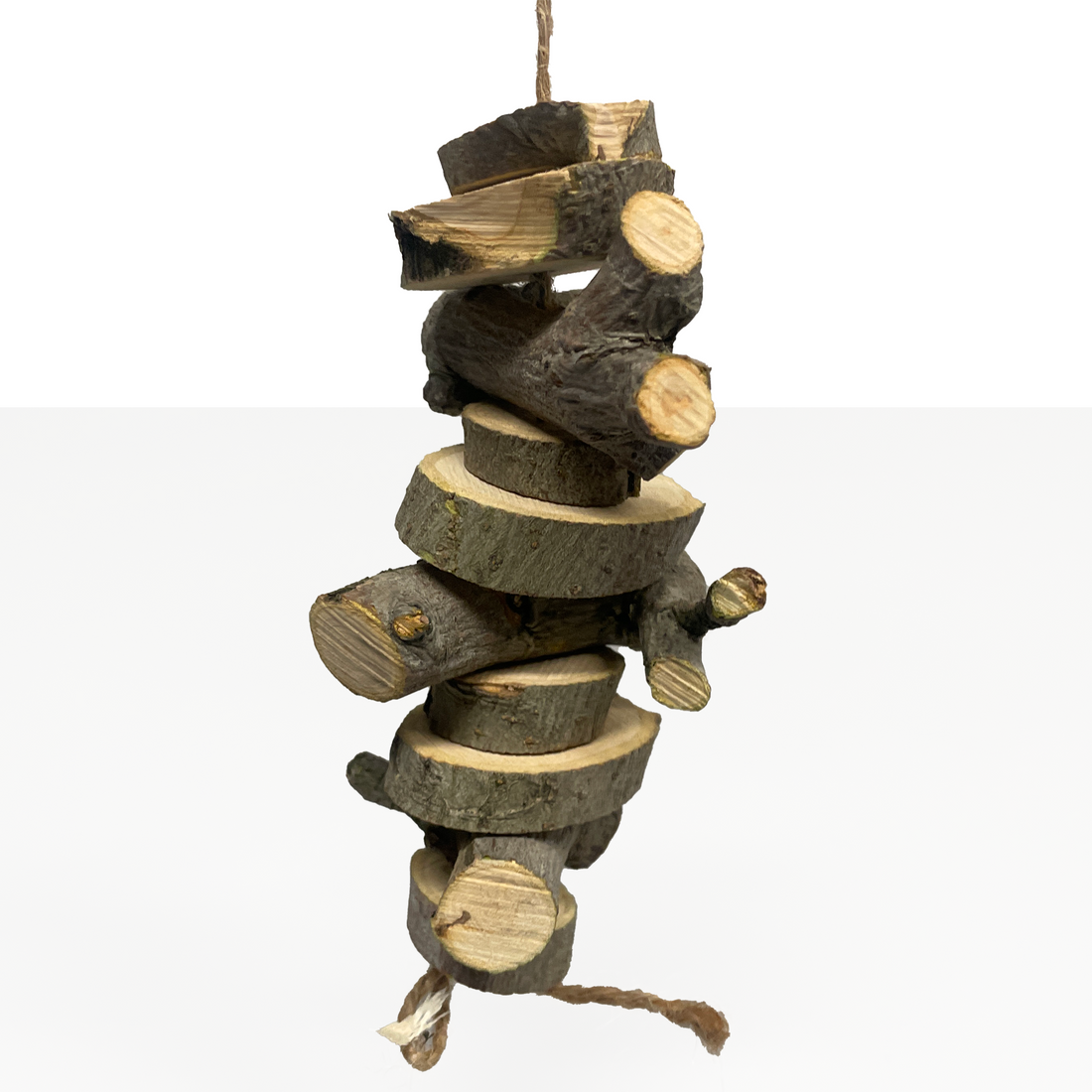
Blocking does not mean punishing curiosity. It means swapping “I hope she ignores that” for “she cannot reach that while I rinse bowls.” Rotate cardboard tunnels, untreated wicker, hay piles in legal zones, and heavy ceramic chew toys so mouths stay busy where sparks do not fly.
Baby gates and stair blocks matter when human housemates forget closing habits. Plastic runners handle hay crumbs without pretending rabbits suddenly respect rug pile direction.
If housemates split chores, spell out who resets gates after laundry trips so borrowed exits stay blocked.
Proofing is maintenance: rabbits memorize forgotten gaps faster than landlords swap smoke detectors, so a monthly walk along baseboards and entertainment stacks catches loosened cord tunnels before somebody plugs gear back in blindly.
Temperature, airflow, and places to disappear
Rabbits handle cold more politely than brutal heat for most indoor setups. Aim for steady indoor temps, drafts minimized near litter zones, and humidity that does not turn litter into glue.
Hiding spots matter both for stress relief when visitors stomp through and for resting during quieter parts of the day. Swap cardboard hides before they collapse and trap paws.
During heat spikes, ceramic tiles or chilled water bottles wrapped in towels belong beside resting mats—cheap cooling works because rabbits shed heat poorly compared with panting dogs.
General husbandry summaries such as the ASPCA rabbit care overview stay helpful for ventilation and shelter reminders alongside whatever Maple Exotics—or your clinic—prefers on record.
Cleaning schedules that protect lungs and paws
Litter areas need predictable scoops so ammonia cannot build up in one corner. Vacuum hay dust before it mats into spaces nobody wants to kneel toward.
Avoid drowning enclosures in scented sprays rabbits inhale all night. Plain warm water, rabbit-safe detergents when needed, and dry surfaces beat perfume masking.
If litter dust triggers nightly sneezing for rabbits or humans, change substrates gradually with veterinary guidance instead of blaming pollen alone.
Outdoor sniff time without outsourcing supervision
Yards feel magical until hawks circle, dogs bolt fences, or parsley-looking weeds turn out poisonous. Portable pens need lids more often than optimistic shoppers buy them.
Rabbit Hole Hay’s guide on keeping your rabbit safe walks shade rules, predator realism, toxic plant vigilance, and why standing three feet away scrolling your phone still counts as absent.
Most readers keeping rabbits primarily indoors borrow daylight in supervised bursts; permanent outdoor setups deserve veterinarian-led conversations about predators, digging exits, drainage, and regional parasites beyond what one chapter should pretend to settle.
How this layer supports the long arc
Housing upgrades rarely sound exciting when you describe them out loud. They still decide how often rabbits dodge electrocution, heat stress, respiratory irritation, or hallway collisions with rushed humans.
Honest layouts and stubborn proofing belong in any serious plan for increasing rabbit longevity because they lower the accidents that erase years in an evening.
What stuck after Alex’s ugly Tuesday
Pip still tries nonsense sometimes—that blends prey instincts with boredom when nobody rotates toys on schedule. The apartment stopped pretending sparks were hypothetical. Cord bridges stayed taped, hay sat closer to legal chew zones, and blocked corners stayed blocked even when Alex felt worn down.
Boring upgrades ordered online still trim daily risk while routines keep backing increasing rabbit longevity.
Third year with Pip landed during a gray stretch of Tuesdays when nothing dramatic happened—which somehow made Alex feel worse. Pip still ate hay when Alex refreshed it. She still used the litter box. She still loafed on the rug most evenings without fuss.

What slipped was curiosity. Pip stopped rushing the hallway when Alex cracked ice trays. She quit investigating grocery bags unless lettuce rustled. Evenings blurred into answering emails until Alex realized floor time had turned into “whenever we both happen to be awake,” which meant hardly ever.
Alex hadn’t tipped into neglect—life had quietly rearranged priorities. Households drift. Meetings swallow fifteen minutes that become ninety. Phones steal attention rabbits measure in missed chin rubs and skipped hops.
If you have ever watched your rabbit look fine on paper—eating, drinking, pooping—and still wondered whether she cared less about small sounds and textures she used to investigate, this chapter is about turning ordinary weeks back toward motion, novelty, and calm human presence.
Enrichment, Exercise, Attention, and Bonding: Keeping the Days Interesting
Separate “quiet” from “shutting down”
Rabbits nap hard and dread chaos; some personalities simply show fewer fireworks than Instagram expects. Quiet becomes concerning when appetite slips, droppings shrink or soften, posture stays hunched, or drinking spikes—patterns Maple Exotics would rather hear about early than after a gut slow-down worsens.
Boredom looks messier than sickness in daily life: chewing trim nobody noticed last month, digging carpet seams, pacing the pen perimeter, or aggressive grunts when hands hover overhead without invitation. Pain can mimic irritation, so ask your veterinarian whenever shifts arrive fast or appetite changes ride along.
Put floor time where your calendar can see it
Rabbits need hops and stretches beyond polite standing turns. Exercise pens help, yet supervised room sessions still matter because rabbits investigate smells, corners, and textures pens cannot replicate.
Pick recurring blocks—Tuesday dinner cleanup plus twenty quiet minutes on the rug, Saturday vacuum-then-zoomies—that survive tired brains better than vague intentions. Push cords behind bridges before you drop your guard; boredom routing rabbits toward forbidden chewing belongs to chapter six for a reason.
Kitchen timers beat vague promises: pick fifteen minutes, mute notifications, glance once along cord routes, then park yourself low enough that rabbits can decide whether stepping closer beats hiding behind the litter box tonight.
Rabbit Hole Hay’s piece on what can raise a rabbit’s quality of life doubles as a checklist for translating guilt into repeatable routines instead of one heroic weekend.
Rotate toys before rabbits memorize them
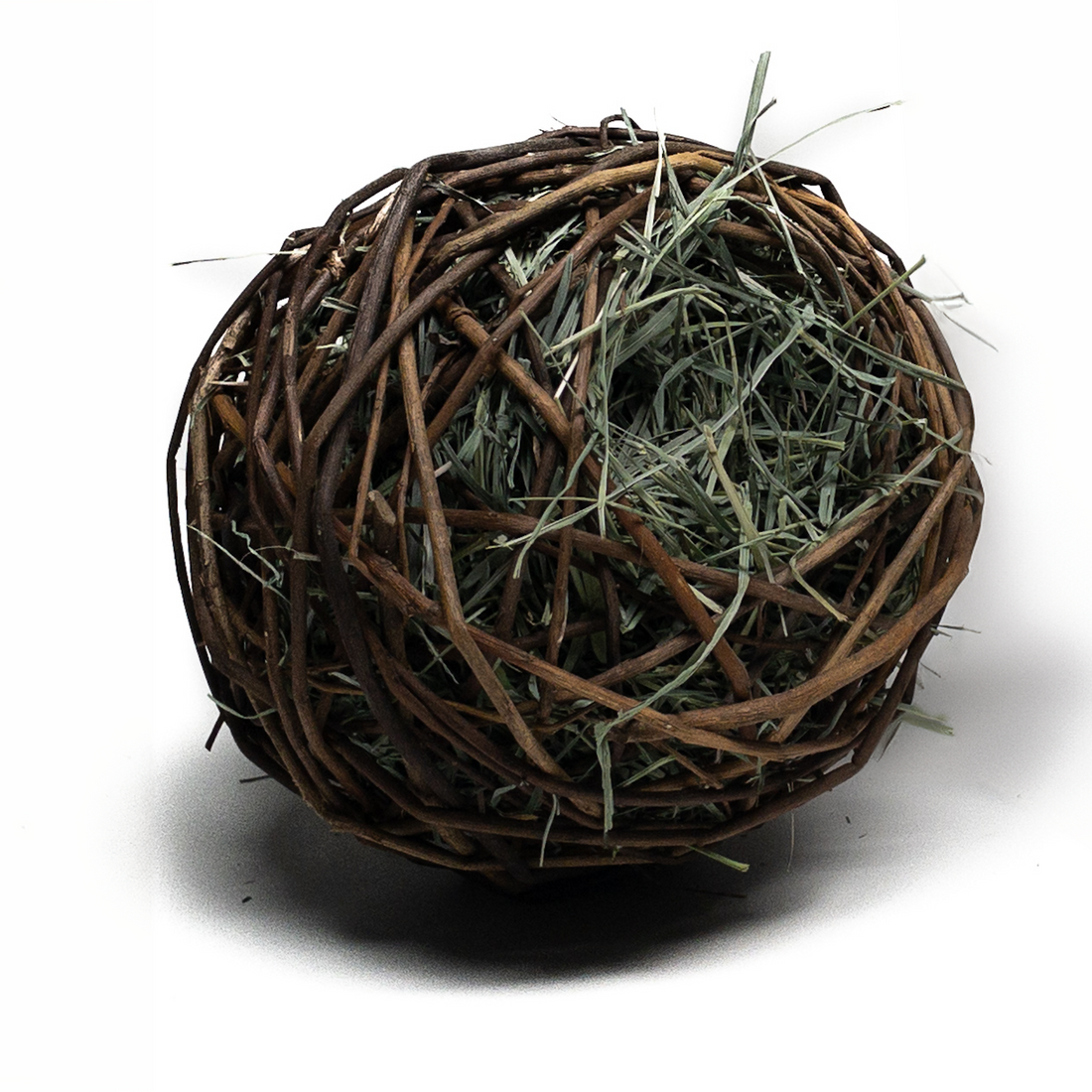
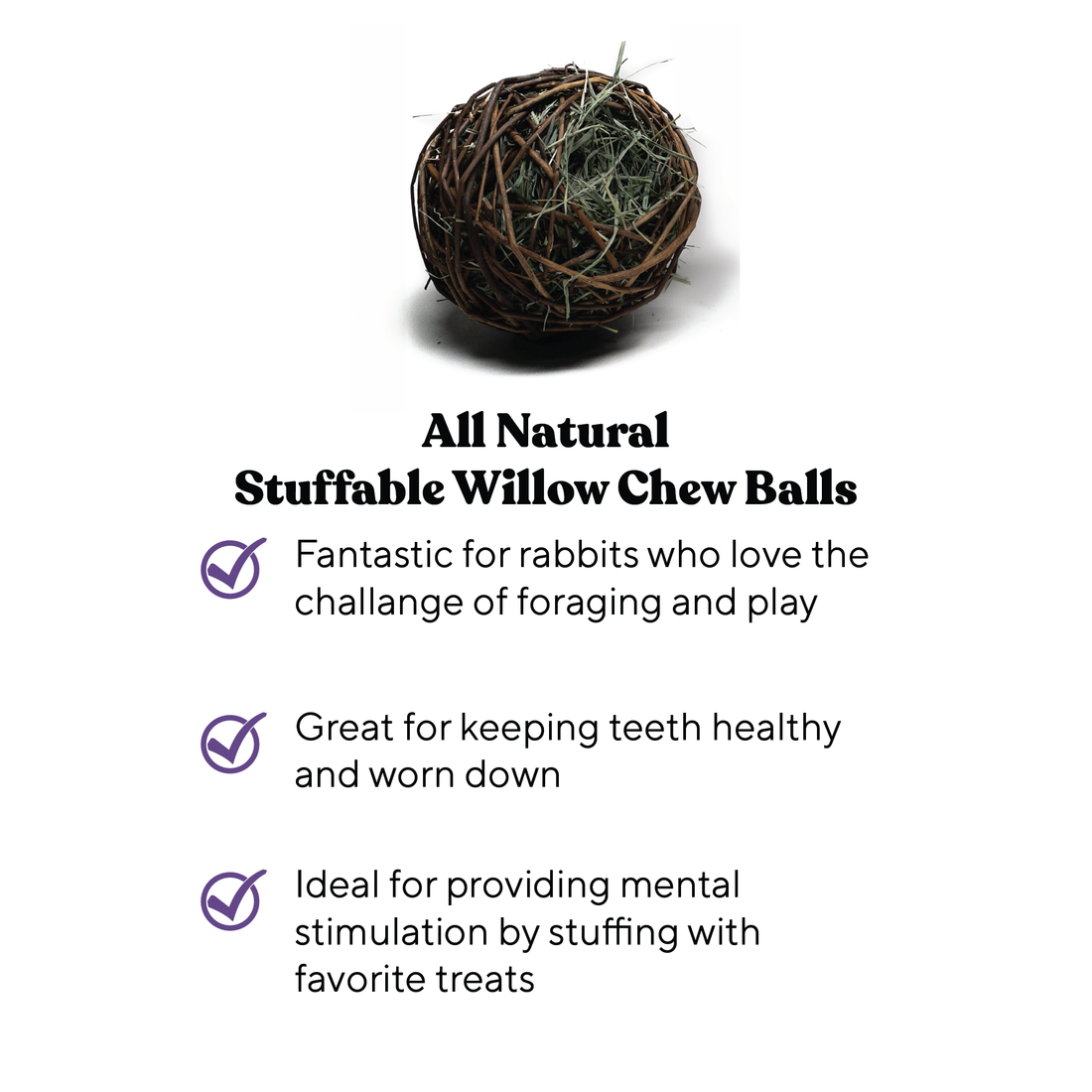
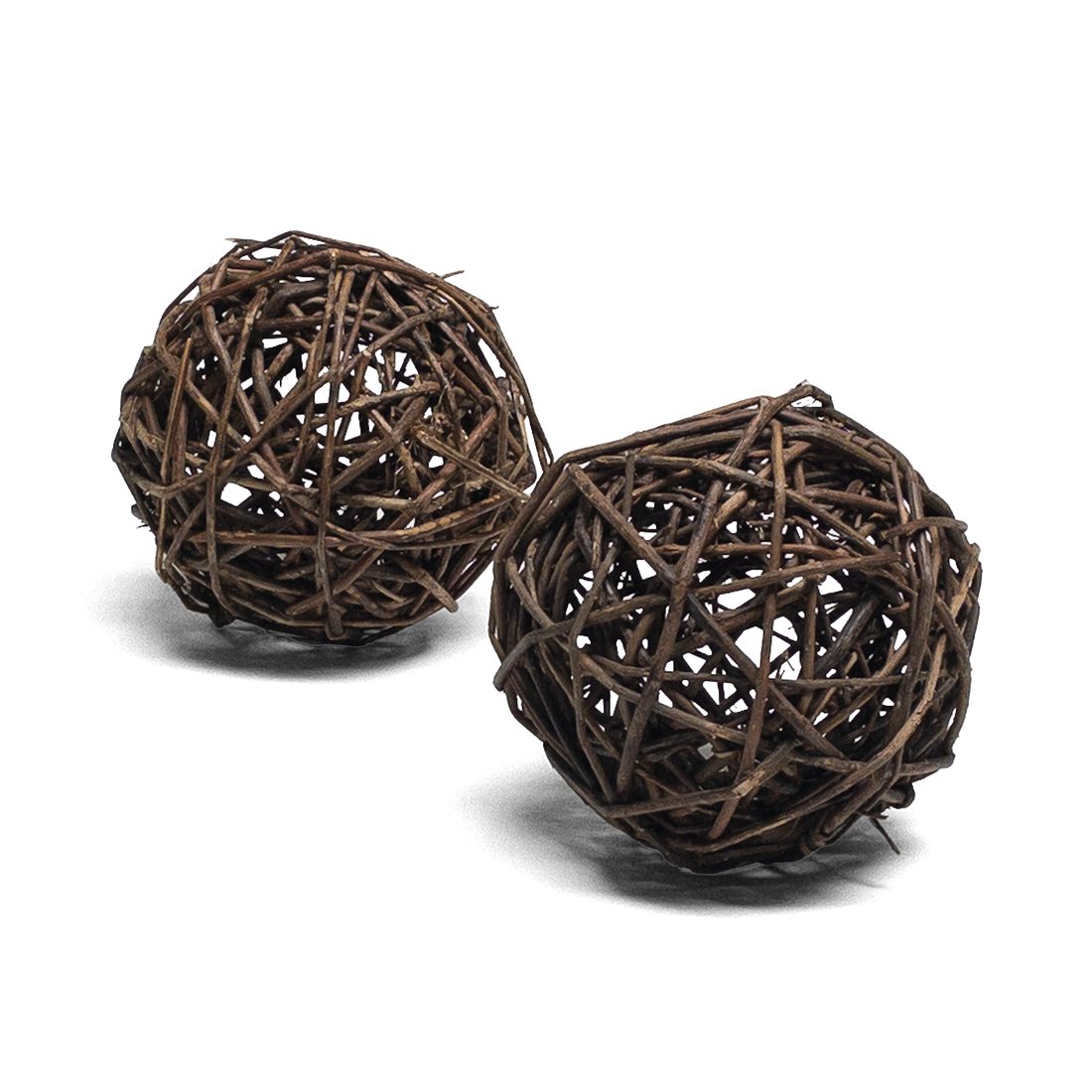
Novelty counts more than price tags. Plain cardboard tunnels return weekly once smells fade; untreated wicker balls disappear mid-week so hay-stuffed tubes feel fresh next Tuesday.
Scatter hay across legal chew mats. Swap cardboard hides before paws snag collapsed corners. Hide pellets inside paper tubes when diet math allows—movement earns snacks while jaws stay busy on approved textures.
For rabbits who shrug at toys until treats arrive, Rabbit Hole Hay’s ideas when rabbits refuse play walks motivation tricks without pretending every bunny pirouettes on cue.
The House Rabbit Society’s homemade enrichment ideas stay handy when budgets tighten but boredom still clocks in nightly.
Guidance such as the RSPCA’s overview of rabbit-safe toy textures helps sanity-check plastics, dyes, or bells someone optimistic grabbed off a clearance shelf.
Bond through patience, not grabbing sessions
Rabbits reward predictable calm more than theatrical cuddling. Sit low, drop treats beside your knee, let them nose shoelaces without swooping hands. Groom requests arrive as a forehead lowers or steady posture invites chin scratches—and vanish when ears flatten.
Snap judgments hurt trust faster than missed Tuesdays. Loud corrections echo predator energy even when frustration reads justified after shredded molding.
Reward curiosity toward you with single chew herbs instead of chasing rabbits back into pens mid-zoom.
Pause handling entirely during respiratory bugs, sore hocks flare-ups, or post-spay stiffness unless veterinary handling demands it.
Use litter scoops or hay refreshes as micro-interactions—predictable chores communicate steadiness cheaper than marathon apology weekends.
If you daydream about a second rabbit
Companionship helps many rabbits once introductions succeed; rushed bonding triggers fights that shred ears faster than boredom ever nibbled baseboards.
Treat adding another rabbit like adopting logistics plus veterinary homework: neutral turf meetings, staggered litter setups, neutered introductions recommended by shelters and savvy veterinarians alike, and savings reserved for parallel wellness bills nobody enjoys imagining mid-spat.
If timing fails—leases, allergies, budgets—predictable solo routines matter more than stewing when rabbits mainly notice hay swaps and floor sessions.
Why enrichment belongs beside hay math
Mental stagnation pushes rabbits toward preventable hazards and chronic tension behaviors—digging drywall, chewing forbidden corners, relentless cage pacing—that slowly make homes more stressful for rabbits and humans.
Pockets of structured movement, novelty, and calm handling belong in any grounded approach to increasing rabbit longevity because bodies and nerves wear better when weeks contain something worth hopping toward.
Alex taped Tuesday-and-Saturday blocks beside the kettle and quit treating rugs like passive scenery. Pip started chinning cardboard again within days—nothing cinematic, just recognizable rabbit curiosity returning once Alex stopped letting Tuesdays disappear into work and screens.
Boring schedules rarely photograph well; they still stack habits that keep backing increasing rabbit longevity because repeating calendar slots beat waiting until somebody feels inspired.
Pip's hay pile looked barely touched by nine, and the litter scatter behind her pen seemed thinner than usual. Alex photographed the tray, double-checked water, and called Maple Exotics' after-hours line with hands that would not pretend calm.

The technician recognized Pip's name, confirmed the last weight Dr. Ruiz charted, and walked Alex through appetite cues, pain posture, and what justified a same-night drive versus monitoring until morning drop-off—plain language, no scolding for breathing hard into the phone.
The call landed that way because Alex had done unglamorous homework long before adrenaline showed up.
Weeks before Pip's first Maple wellness visit—the appointment where Dr. Ruiz unfolded lifespan ranges on paper—Alex burned lunch breaks dialing clinics and asking how many rabbits they honestly saw each month. Some reception desks paused too long. One practice laughed politely and suggested "maybe try exotics downtown." Maple scheduled a meet-the-team slot without treating rabbits like somebody else's occasional novelty.
If you have ever stared at droppings wondering whether you are overreacting, you understand why veterinary chapters belong beside hay stacks and housing diagrams.
Choosing Rabbit-Savvy Veterinary Care Before the 2 a.m. Panic
Why "dog and cat clinic down the street" is not automatic coverage
Rabbits rely on small-mammal physiology that rewards clinicians who refresh dentistry references, anesthesia protocols, and pain meds suited for prey animals who hide distress until problems worsen.
A clinic can legally welcome rabbits yet rarely anesthetize them or interpret subtle GI slowdowns—skills that emerge only when rabbits appear often enough on schedules.
Rabbit Hole Hay's overview on choosing rabbit veterinary care walks questions worth asking before you sign paperwork, plus reminders that polite confusion on the phone becomes dangerous silence during emergencies.
Phone-screen questions that separate dabblers from regulars
Treat early calls like interviews you are allowed to conduct calmly:
Which clinicians see rabbits weekly—not once a season—and who covers emergencies?
What warming and monitoring do they use during rabbit anesthesia?
Which diagnostics stay on-site for sick rabbits versus referrals?
Does after-hours routing reach someone comfortable triaging GI slowdowns without dismissive wait-and-see?
If answers stay vague or annoyed, thank them and move down your list.
Write answers down while reception tone still rings in your ear—memory cheats under stress, and polite vagueness reads clearer on paper than replayed panic audio.
The House Rabbit Society's guide on how to find a rabbit-savvy veterinarian doubles as backup reading when internet forums disagree.
Baseline visits earn their boring reputation
First wellness appointments capture weight trends, baseline lung sounds when relevant, dental touchpoints your veterinarian prefers documented, vaccination or parasite protocols region-specific to your area, and plain-language gut-health reminders.
Young adults often settle into annual snapshots unless your clinic wants tighter spacing after dental quirks or stubborn weight creep; seniors often benefit from twice-yearly exams once subtle dips linger across consecutive weigh-ins.
Bring printed adoption paperwork, diet lists with pellet brands, and photos of ordinary droppings when logistics allow—mundane snapshots become tomorrow's comparison slide when appetite wavers.
Home records worth updating between visits
Keep a kitchen-drawer cheat sheet: last vaccine dates if applicable, chronic meds with milligrams, radiograph copies filed somewhere searchable on phones or binders, carrier dimensions noted beside the carrier you can empty fast when adrenaline arrives.
Logging weight monthly on the same scale—even bathroom scales minus carrier math—beats guessing whether ribs suddenly sharpen during shedding chaos.
Rabbit Hole Hay's vet locator page can anchor geography while you verify clinic lists against phone screening.
Companion summaries such as the ASPCA rabbit care overview belong beside—not instead of—species-confident clinicians already tracking your rabbit's normals.
Emergency lanes deserve rehearsal before midnight
Program after-hours numbers into favorites. Tape backup directions beside your fridge—not buried inside apps.
Ask your clinic—or whoever earns your trust—for printed thresholds: hay untouched X hours always warrants escalation; softer stools overnight sometimes buys fluids plus vet-approved supportive care plans rather than guessing alone.
Identify a second exotic-capable hospital before stickers peel off carriers mid-traffic. Figure out directions while you are calm—not while you are driving stressed after midnight.
Pack towels beside carriers, stash any prescribed take-home meds where roommates cannot confuse them with human cabinets, and note ride-share backups on the same fridge card—Tuesday errands refill kits faster than midnight improvisation.
Savings earmarked for urgent exams beat relying on sympathetic Facebook strangers during scary hours.
Why relationships quietly tilt longevity odds
Timely veterinary intervention trims suffering faster than solo midnight searches—yet timely depends on routing calls through clinic staff who already know what normal looks like for your rabbit.
Stable partnerships with clinics that routinely examine rabbits belong in any grounded plan for increasing rabbit longevity because records replace midnight improvisation.
Pip bounced back after Alex followed Maple's overnight checklist—hand-fed fragrant hay to coax appetite, fluids only once the clinician cleared it, morning appointment booked before panic erased sleep. Dr. Ruiz's chart still reflected how casually she demolished cilantro during the prior wellness visit.
Boring continuity beats scrambling from scratch when digestion slips; paperwork habits are part of how households keep backing increasing rabbit longevity without treating veterinarians like strangers introduced mid-crisis.
Sunday smelled like unscented detergent, clipped nails, and the soft thud of hay Alex shook into legal zones before the vacuum won the apartment. Pip tolerated a front-paw manicure until the quick in the last nail flashed pink—then forgiveness cost parsley stems and ten minutes of quiet floor time.

Litter fines got swept before they crusted into corners nobody wanted to kneel toward. Alex lingered over the tray long enough to notice fecal pellets looking firm again after Thursday's picky evening, when hay had looked more like garnish than dinner.
Alex relaxed once pellets looked firm again and Pip tugged shoelaces like Thursday never wobbled.
If you have ever felt grateful for boring droppings after a jittery weekday, you understand why preventive care matters just as much as emergencies—and deserves refrigerator space beside phone numbers.
Preventive Habits That Quietly Protect the Later Years
Spay, neuter, and what your clinic's calendar decides
Sterilization lowers risks tied to reproductive cancers and hormone-driven behaviors that shred carpets or neighborly patience—topics Rabbit Hole Hay unpacks plainly in why rabbits benefit from timely spay or neuter surgery.
Timing still belongs to rabbit-savvy clinicians weighing weight, breeding history, and anesthesia readiness—not internet averages copied across continents.
Discharge paperwork deserves fridge space afterward: which pain meds run on the clock, how incision checks should look, and exactly when appetite refusal stops counting as groggy day one. Tape copies beside litter scoops before folders disappear into junk drawers.
Vaccination protocols and parasite prevention swing wildly by region; follow whatever your rabbit-savvy clinic pairs with local disease pressure rather than importing panic from forums headquartered overseas.
Grooming appointments disguised as couch time
Brushing captures shedding fur before swallowed coat slows digestion. Nail trims belong on repeating calendar reminders—four-to-six-week rhythms work for many indoor rabbits until concrete wears claws slower.
Rabbit Hole Hay's rabbit hygiene primer walks litter upkeep alongside scent-gland checks and coat habits without pretending fluff equals affection alone.
Use grooming sessions to scan hocks for bald patches, ears for flakes, and jaws for symmetry shifts subtle enough that prey instincts hide pain until appetite slips.
During molts, brush twice daily when fur piles clog corners—ingested wool risks slowing guts nobody diagnoses from couch distance alone.
Monthly weighing beats guessing from across the room: use the same carrier-subtraction routine, jot numbers beside grocery lists, and flag two consecutive dips for your veterinarian before optimism explains everything away.
Dental clues owners catch before rabbits advertise pain
Rabbit teeth never quit growing; uneven wear surfaces as selective hay stripping, tearing leafy greens sideways, wet chin fur from drool, or sudden grimaces mid-chew.
Weight can hold steady while mouths hurt—pair dental suspicion with appetite timelines your veterinarian prefers documented.
Watery eyes or subtle swellings along cheeks sometimes trace dental roots before obvious tooth spikes show—photograph asymmetry under daylight when rabbits tolerate handling.
Gut monitoring and when to call tonight
Gastrointestinal slowdown usually starts quietly: hay untouched longer than usual, belly tense under gentle palm checks, tiny droppings clustered alone, or posture parked oddly long without resting flops.
Ask your veterinary team to demonstrate safe belly palpation during routine exams—relaxed rabbits feel different than tight drums—so midnight fingers stop guessing alone.
Stress—from drywall dust to whole weekends spent mostly confined—sometimes trims appetite enough that preventive Sundays include noticing household chaos honestly.
Educational summaries such as PetMD's overview of gastrointestinal stasis in rabbits explain mechanics without replacing whoever answers your veterinarian's emergency line.
Treat anything below like urgent homework—not negotiable optimism:
Hay refusal beyond the timeline your veterinarian names during wellness visits.
Dramatically fewer fecal pellets across half a day without environmental explanation.
Bloating alongside reluctance to move or vocal pain when lifted.
Blood in urine, repeated head tilts with falling, or respiratory noise new enough to spike worry.
Dental pain and gut slowdown overlap often enough that picky hay stripping plus shrinking stools deserves one coordinated phone call instead of separate excuses.
Rabbit Hole Hay's checklist on how to tell if a rabbit looks healthy still helps baseline new owners; keep printouts where midnight brains can find them.
Paper taped inside cabinet doors survives a midnight search on a dying battery better than cloud folders nobody remembers how to open mid-panic.
Why steady chores deserve the same shelf as drama
Sundays rarely trend online, yet they anchor the data veterinarians crave: weights, stools, coats, appetite quirks. Boring rituals make illness loud earlier because drift shows up against a pattern someone actually recorded.
Many households pair nail trims with litter deep-clean days—gloves already out, trash bags tied, fewer postponed promises about circling back later.
Predictable brushing, scooping, weighing, and honest symptom notes belong in any grounded strategy for increasing rabbit longevity because catching drift early trims emergencies nobody schedules on purpose.
Alex slid nail clippers back into the drawer, logged Sunday's litter photo beside earlier weeks, and set the clinic portal reminder without pretending chores erase every risk.
Those boring repeats still keep backing increasing rabbit longevity because steady routine catches drift before kitchens turn into crises.
Morning light hit the ottoman Pip once cleared without rehearsal. Year five arrived quietly—a calendar reminder Alex almost dismissed until Pip paused mid-hop, reconsidered, and chose the carpet ramp Alex taped last weekend instead.

Alex bumped weigh-ins from monthly to every other week once grams wandered downward briefly. Probably picky spells, probably nothing—still worth jotting numbers clinicians can compare.
Alex stopped pretending reluctance meant laziness. Joints stiffen. Confidence around slick surfaces dips even when rabbits still sprint toward hay piles like teenagers.
A slip pad beneath ceramic bowls migrated closer to litter corners so nighttime thirst meant fewer awkward reaches. Nail trims slid onto quieter weekdays after Pip fussed louder about manicures squeezed between meetings.
If you have ever rearranged furniture because someone who still zoomies occasionally hesitated once too often on a familiar leap, you've already seen how aging changes movement and confidence over time.
How the Lifespan of Pet Rabbits Changes by Life Stage (and What to Adjust)
Babies and neonates—mostly veterinary terrain
Kits belong with dams or skilled fosters until fully weaned; orphan formulas and hourly feeding schedules belong under veterinary supervision—not improvised instructions copied off strangers online.
Most adopters instead welcome juveniles already eating solids—still ask for feeding timelines, vaccination paperwork regional laws sometimes demand, and baseline poop photos that spare midnight guessing weeks later.
Shelter intake forms often list mystery pellets—photograph abnormal stools during the first forty-eight hours instead of diagnosing stress versus infection solo.
Juvenile rabbits grow fast and test boundaries
Growth spurts crave dense calcium phases guided by veterinarians—often alfalfa-forward diets briefly—before adulthood shifts toward grass hay majorities Rabbit Hole Hay outlines for age-based transitions in hay swaps tied to rabbit age.
Temporary alfalfa boosts deserve explicit end dates—leftover piles sit in bowls longer than young kidneys handle well.
Chewing intensifies because mouths investigate everything; cord-proofing basics still matter while adolescents sprint laps owners underestimate.
Young rabbits tolerate skipped hay refreshes or abrupt litter swaps worse than adults usually do.
Exercise pens still need lids because judgment lags behind enthusiasm—the same rabbit may sprint hay aisles one evening and skid rounding a slick ottoman the next.
Vertical clearance still matters while adolescents misjudge leaps older rabbits simply stop attempting.
Adult prime years reward steadiness
Middle years reward boring rituals: hay-forward bowls, enrichment sessions that survive calendar reminders, nail trims logged like bills, weigh-ins beside grocery lists, and coat checks after ordinary Sundays.
Rabbit Hole Hay's pillar walkthrough how to care for a rabbit from kit to senior maps nutrition through mature routines without pretending adulthood stays frozen forever.
Annual exams typically suffice until clinicians spot drift.
When drift shows up, tighten visit spacing quietly and trade optimism for closer monitoring and more frequent records.
Middle-aged rabbits sometimes reject coarse hay strands while chewing sideways—bring that up during exams before gradual weight loss convinces you hay suddenly stopped working.
Senior softness without surrendering vigilance
Ramps widen, fleece doubles beneath resting hips, litter fronts shave corners so arthritic hops avoid awkward twists. Pellets sometimes loosen portion caps when veterinarians chase stubborn weight dips tied to dental drift.
Hydration bowls stay shallow with traction mats beneath sore wrists; urine scald risks climb when rabbits cannot posture cleanly—photograph damp belly fur honestly.
Older rabbits may avoid water bowls if reaching them requires stairs or awkward jumps—scatter shallow bowls along routes they already use without extra climbing.
Timothy-forward blends outlined in keeping senior buns fueled with digestible hay partner with clinicians tightening labs once aging rabbits deserve semi-annual exams even when they still look lively between visits.
For more detail across ages, bookmark Rabbit Hole Hay's guide on care during different rabbit life stages beside refrigerator thresholds.
Pain meds, joint supplements, or prescription diets belong entirely inside paperwork clinicians personalize—printed discharge folders beat scattered browser bookmarks once adrenaline arrives.
What “watch closer” actually looks like
Watching closer rarely means hovering—it means noticing small shifts sooner.
When winter heat kicks on, check whether radiator drafts dry out pen corners where rabbits loaf longest.
Dry air dehydrates quietly—refresh hay moisture and glance at water bowls more often.
Weight trending down across multiple weigh-ins despite unchanged scoops.
Hay stripped unevenly along racks without blaming boredom alone.
Hiding lengthening beside visitors rabbits previously tolerated.
Odor shifts around chin dewlap folds that suddenly need grooming help.
Gait hesitation several nights in a row—not one clumsy leap remembered generously.
Monthly posture snapshots beside plain walls give veterinarians clearer arthritis comparisons across seasons than guesswork alone.
Those arcs stack differently across households committed to increasing rabbit longevity: juveniles burn energy fast while seniors conserve it—the same apartment usually means rearranged ramps, mats, and bowls.
Pip tested Alex's taped ramp twice Sunday afternoon—slow first pass, bolder second—and she loafed longer beside sun stripes afterward.
Slower ramps plus sharper observation logs belong in grounded plans for increasing rabbit longevity once rabbits hesitate jumps they cleared eagerly years earlier.
Six forty-seven lands softer now than it did the month Pip arrived. Alex fills the kettle while Pip eats hay like mornings are supposed to feel this ordinary.
The phone charger strip holds yesterday's reminders Alex refuses to shame-delete: hay delivery confirmation, vet voicemail acknowledged, nail trim scratched onto Saturday afternoon beside grocery logistics. Five years taught Alex that rabbits thrive less on motivational speeches than on errands saved somewhere searchable.
The water bowl gets a rinse and goes back full on its mat. Pip watches the swap without drama. Alex steers stray pellets toward the feeder and checks whether Pip heads straight back to hay.
Litter earns the same glance Alex practiced during frantic early seasons—texture before odor, posture bundled into how Pip hops away afterward. Nothing screams emergency most mornings; Alex simply refuses to pretend noticing waste habits wastes time.
Pip crosses the taped ramp Alex rebuilt Sunday evening once, calmly. Proofing still slips—a cord sleeve sits crooked behind the lamp—but Alex spots it before Pip does.
Fifteen minutes later Pip gets floor time Alex blocked on the calendar: sniffing baseboards, a chin rub on a familiar table leg, a flop where the sun hits the rug without glare washing Pip out.
Greens chopped Sunday evening wait in rinsed containers so weekday knives stay quiet.
Alex remembers mornings that began with panic before coffee; fifth-year mornings involve fewer panic spirals and more chores Pip finishes before the work inbox heats up.
The refrigerator door still wears Maple Exotics magnets—numbers Alex can read without hunting.
If you're chasing steadiness instead of spectacle, Pip's fifth-year rhythms are worth borrowing.
Putting It Together: A Morning With Pip, Five Years In
This checklist stays blunt on purpose; none of it replaces relationship-based veterinary advice or skips diagnostics when symptoms disagree with optimism.
The fridge magnet version
Anchor hay. Fresh hay lands before treats each morning so digestion rides steady fiber instead of snack roulette.
Protect water rituals. Rinse bowls often enough that slime never argues first; rabbits rarely advertise dehydration loudly.
Audit proofing weekly. Scan cords, rugs, and exits before rabbits discover fresh trouble overnight.
Schedule enrichment. Block recurring floor sessions on whatever calendar actually gets checked so busy weeks cannot quietly erase exercise.
Keep rabbit-literate clinicians reachable. Store emergency clinic directions before you need them at midnight.
Log preventive chores. Nail trims, weigh-ins, and hay rotations belong beside deadlines nobody ignores.
Stage age tweaks. Borrow Pip's playbook when joints stiffen—ramps, softer landings, slower introductions.
Match handling to temperament. Go slower with shy rabbits during trims or vet loads; forcing calm burns trust faster than showing up five minutes late.
The habits belong together; neglect one quietly and another stops holding.
The plain-language thesis underneath remains increasing rabbit longevity: hay-forward steadiness, trustworthy veterinary partnerships, and chores boring enough to survive seasons when nobody feels heroic.
Pip never proves perfection—she proves routines steady enough that increasing rabbit longevity sits beside groceries instead of postponed until emergencies happen.
Deeper dives worth bookmarking
If gear basics still feel fuzzy, skim our rabbit starter kit. For hay types and picky eaters, read Hay 101: Finding the Right Hay for Your Small Pet.
When routines flatten until rabbits disappear from the plan, reopen What Can I Do to Increase My Pet Rabbit's Quality of Life?
When clinic choices confuse ZIP codes, use our vet locator before you need directions in a hurry.
Alex pours coffee. Traffic climbed outside while Pip settled back beside the hay rack.
Alex lingers at the counter while Pip stretches beside the sliding door and settles back onto the rug near the hay rack.
If Alex could speak directly to the panic from year one, the advice would sound almost boring: find a rabbit-savvy veterinarian before an emergency forces the search, keep fresh hay available even during busy weeks, pay attention to appetite and litter habits without catastrophizing every change, and adjust the environment as age changes what your rabbit can comfortably do.
Most of increasing rabbit longevity looks exactly that ordinary. It is steady fiber, safe housing, preventive care, and noticing subtle shifts early enough that small problems do not become large ones.
Keep refining the routines as you learn more. Rabbit Hole Hay's rabbit hay and feeding guide remains the companion piece for hay routines and picky eating, while the rabbit starter kit can help anchor the everyday supplies and setup that make those routines easier to maintain.

The starter kit hub below bundles the boring essentials this guide kept citing—hay access, bowls, litter logic, and proofing reminders—so you are not rebuilding the list from memory after a long read.




Comments