







































































A safe rabbit cage setup checklist starts with room to hop and stretch, solid flooring that protects feet, a litter box paired with hay, fresh water, a hide, chew-safe toys, and a quiet, draft-free location. Pet-store cages often fail that list on size alone, so many owners build larger pens or condos instead of settling for the box on the shelf. These rabbit cage essentials are about biology, not décor. If your setup still feels like a hamster cage with better branding, you already know why your bun looks restless.
Expect a mix of space and flooring rules, indoor layout options, the must-have accessories, and where the enclosure should live day to day.

What Should Be on a Safe Rabbit Cage Setup Checklist?
Walk the pen like a short inspection, not a shopping wish list.
Space: Room to hop fully stretched, stand up on hind legs, and turn without scraping walls. A common rule of thumb is an enclosure at least about six times your rabbit’s body length, plus daily free-roam time outside it.
Floor: Solid, flat base—no bare wire under feet. Soft, rabbit-safe bedding or mats on top.
Litter + hay station: Litter box under or beside the hay so eating and eliminating can happen together, the way rabbits prefer.
Water: Bowl, bottle, or both—clean daily, always full.
Hide: A cardboard box, tunnel, or house they can duck into when the vacuum starts or guests walk by.
Chews and toys: Untreated wood, cardboard tubes, or woven toys so furniture is not the only option.
Location: Out of direct sun and drafts, close enough to family life that they are not parked in a lonely garage.
If any line is missing, fix that before you add another decorative bowl. For the wider day-to-day care picture, use our guide on how to care for a rabbit.
How Much Space Does a Rabbit Cage Need?
Rabbits need room to take a few real hops, flop sideways, and rearrange their stuff. Many commercial cages look “large” in the aisle and still feel like a carry-on once a medium adult is inside.
When store options fall short, wire storage cubes zip-tied into a custom condo are a popular fix. You can shape the footprint to your room and add a low ramp if you want a second level—just keep ramps shallow and landings solid. For build photos and measurements, the Brey family DIY bunny cage guide walks through a cube condo step by step.
Space inside the pen does not replace exercise. Plan supervised floor time every day so the cage is home base, not the whole world. The House Rabbit Society housing guidance and RSPCA rabbit environment advice both push for larger living areas than the smallest pet-store boxes imply.
What Flooring and Bedding Protect Rabbit Feet?
Wire floors grind on hocks. Soft tissue on the back feet can open into sore hocks, which hurt and get infected fast. Cover wire completely with a solid panel, then add soft layers on top.
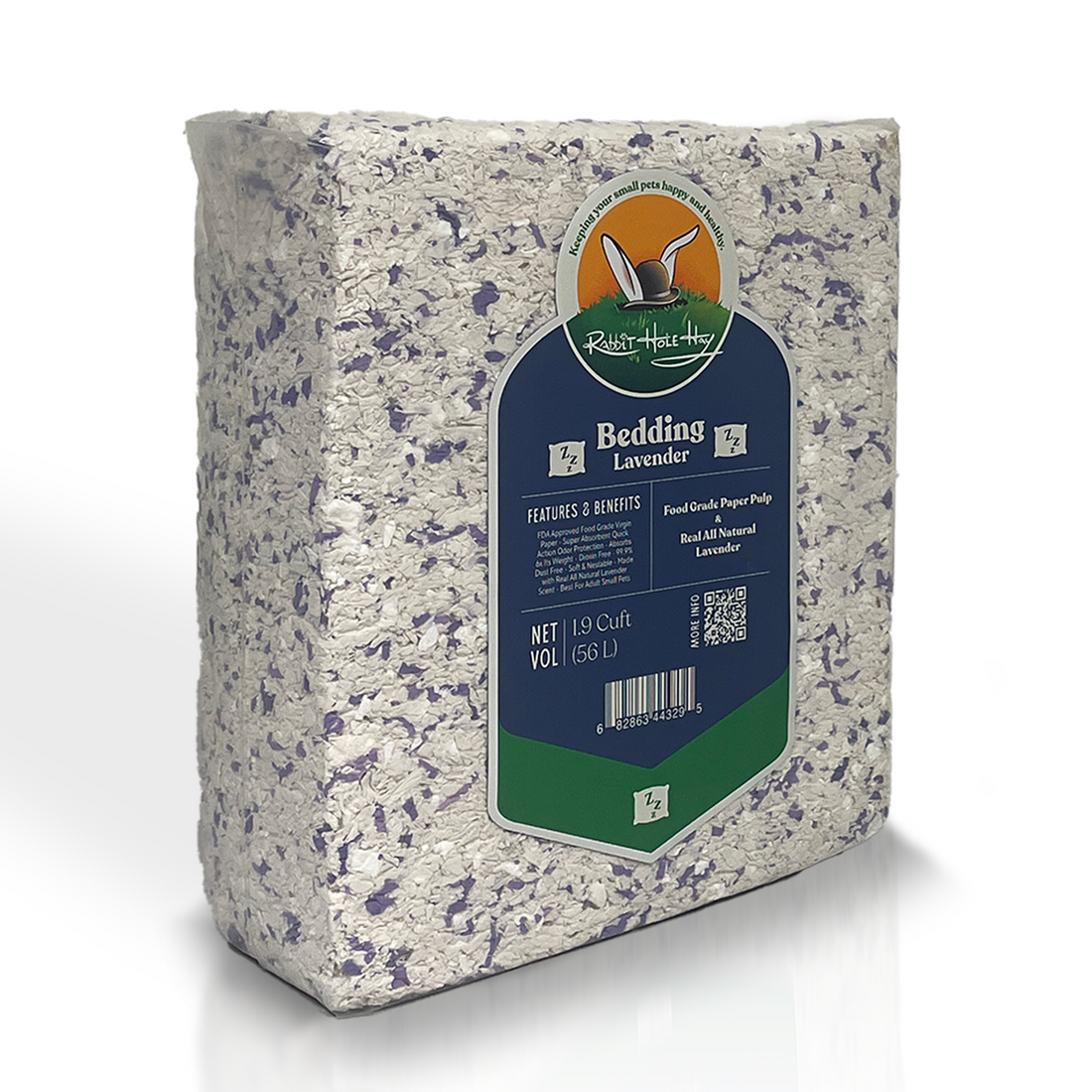
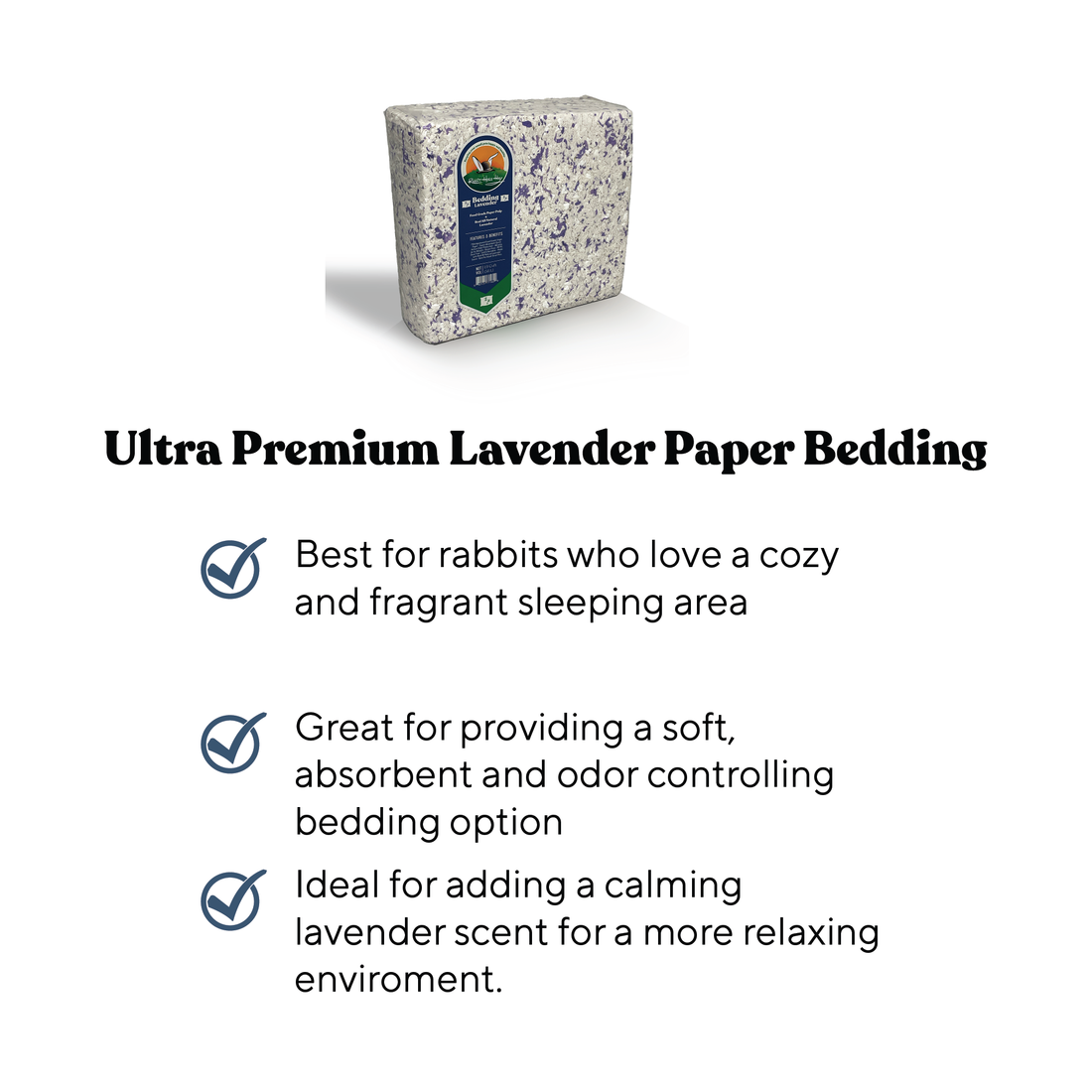
Good options include thick paper bedding, kiln-dried wood pellets in litter zones, fleece with washable pads underneath, or our Food Grade Bedding where you want absorbent, nibble-safer coverage. Skip clumping clay cat litter—rabbits inhale dust and may eat it.
If you already see red, bald, or swollen spots on the heels, treat it as a vet problem, not a décor tweak. The House Rabbit Society sore hocks overview explains why flooring choices matter so much. For a deeper bedding comparison at home, read which rabbit bedding works best.
What Indoor Rabbit Enclosure Layouts Work Well?
Indoors, think “room within a room,” not a box against a wall. An exercise pen (x-pen) around a litter-and-hay corner gives most rabbits more usable space than a tall cage with a tiny footprint. Cube condos work when you need vertical storage in a small apartment. Some households use a large dog crate only as a night base while the daytime pen stays open.
For indoor enclosure ideas—litter placement, levels, and calmer room corners—use our guide on rabbit cage layouts that work indoors. When you want space, chewing outlets, and litter habits in one habitat picture, see what a full rabbit habitat setup needs.
What Accessories Belong in Every Setup?
Three stations do most of the work: litter, food and water, and a quiet rest spot.
Litter Box
Rabbits often chew hay and use the litter box in the same sitting. Put the box under a hay rack or beside a big hay pile so both jobs share one corner. Paper-based or wood-pellet litters are safer than clumping clay. For build-and-clean details, open our guide to creating the ideal litter box.
Food and Water
Heavy ceramic bowls resist tipping for pellets and greens. Hay belongs in a rack or loose pile they can wreck—off soiled flooring when you can. Water can be a bowl, a bottle, or both. Bowls feel more natural; bottles stay cleaner if you scrub the spout. If you are stuck choosing, our comparison of water bowls versus bottles covers the tradeoffs.
Cozy Resting Spot
A hide is not optional fluff. Prey animals need a place to disappear for a minute when the blender screams. A cardboard box with two exits, a covered tunnel, or a small house lined with hay works. Check that anything soft is rabbit-safe if they nibble it—and they will.

How Do Toys and Chews Fit Into Cage Essentials?
An empty pen is a chewing workshop waiting for your baseboards. Stock untreated apple sticks, willow, seagrass mats, cardboard tubes, and diggable boxes so the mouth has something allowed to wreck. Rotate toys weekly so yesterday’s favorite does not get ignored.
Chewing also wears teeth that never stop growing. Pair toys with unlimited grass hay—the main daily chew. For homemade ideas that cost almost nothing, try our DIY rabbit toy ideas.
Where Should You Place the Cage?
Skip the sunny window ledge and the drafty hallway. Rabbits overheat easily and hate cold air blasting their ears. Indoors, pick a social-but-not-chaotic room—living room edge over kids’ slam-door zone. Outdoors, only predator-proof hutches with solid weather protection count, and even then many owners keep rabbits primarily inside for safety.
Before you buy a hutch or pen kit, run the size and safety checks in what to consider before buying a rabbit hutch. Placement mistakes are harder to undo than swapping a litter brand.

How Do You Keep the Cage Clean Without Living There?
Scoop the litter box daily. Swap soiled bedding on a schedule you can keep—often weekly for full changes, sooner if it smells sharp or looks wet. A simple vinegar-and-water wipe (about four parts water to one part vinegar) cuts urine smell on hard surfaces; rinse and dry before bedding goes back in.

Ammonia burns airways, and wet floors invite sore hocks. You are not failing if the pen needs a midweek scoop—you are catching a smell before it becomes a health problem. For timing tips, see how often to clean a rabbit litter box.
How Does Hay Fit Into the Habitat?
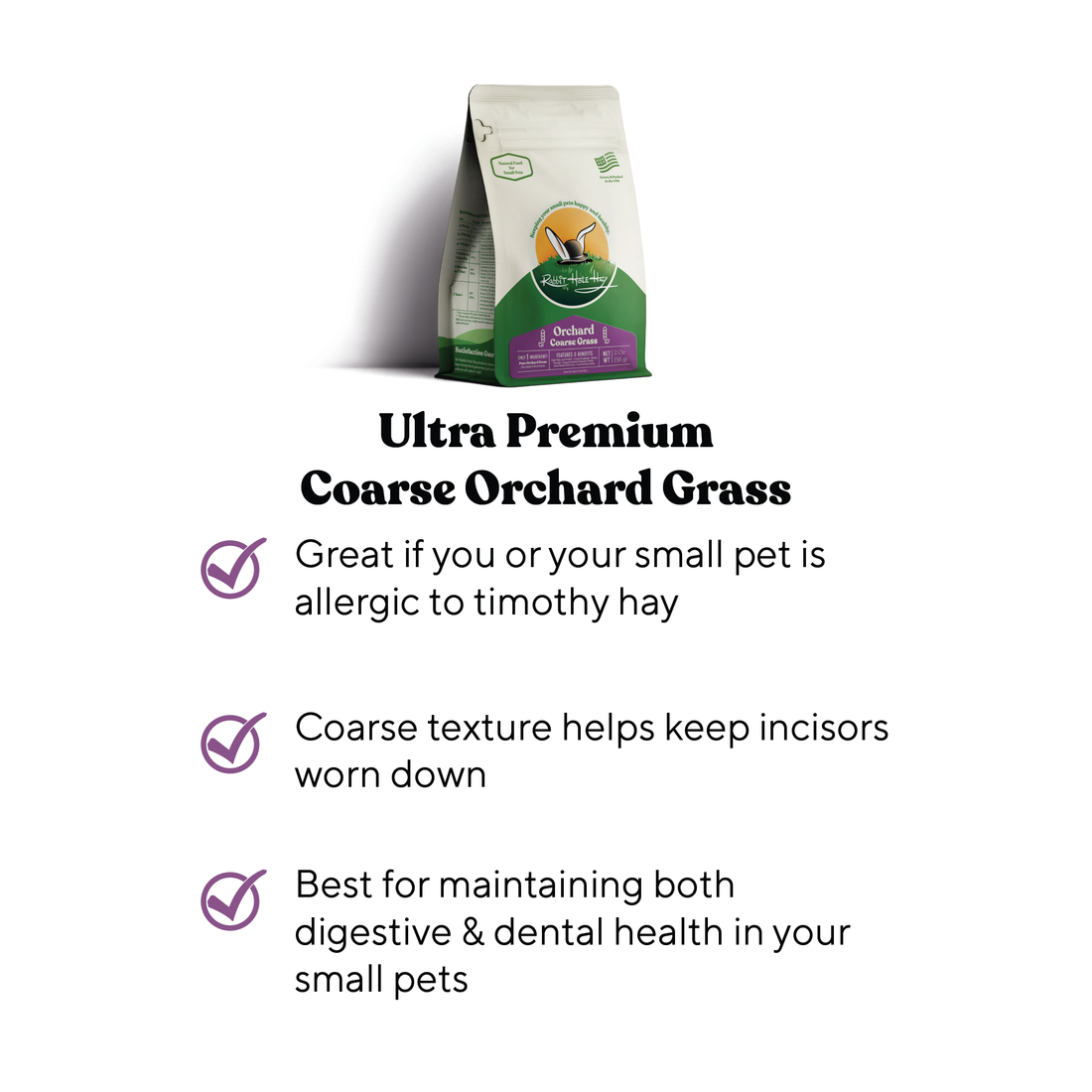
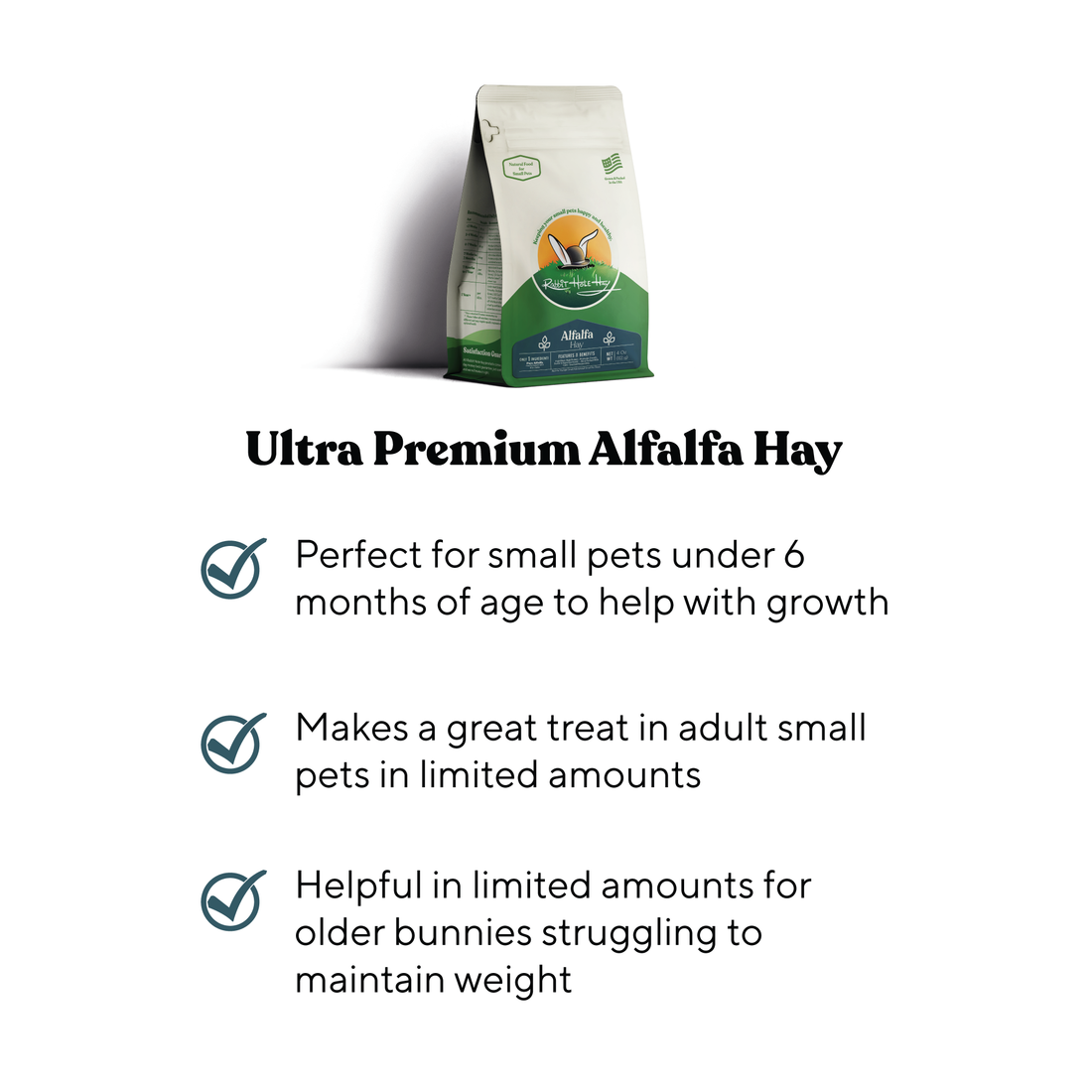
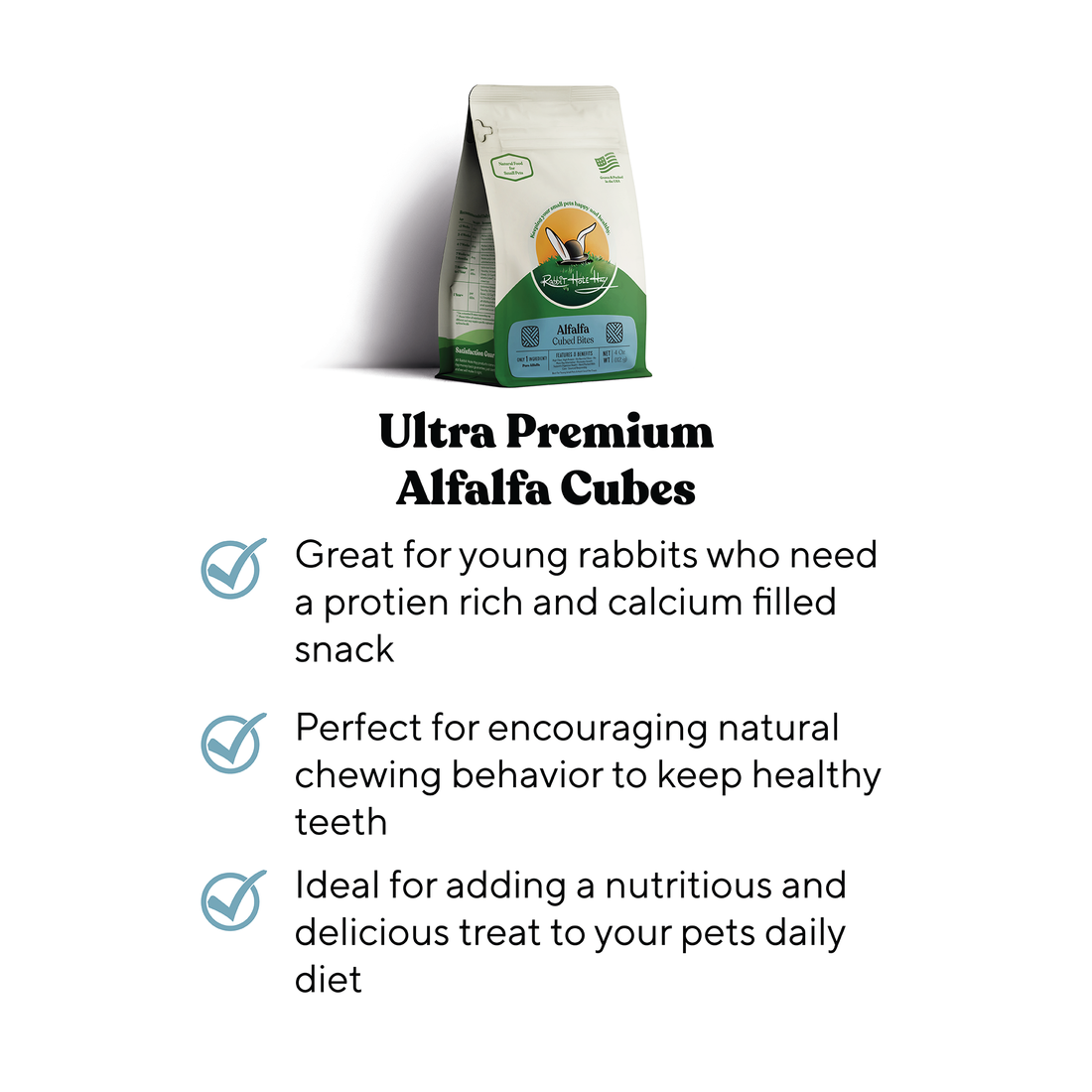
Hay is furniture and food. Keep a constant supply of grass hay—Timothy, orchard, or meadow for most adults—in the living area so chewing and gut work never pause. Young rabbits still growing may use alfalfa under guidance; adults usually stay on grass hay to avoid weight and urinary trouble.
Park hay where it stays dry and they will actually eat it—often right over the litter box. For starter buying notes when you are building the living area, skim our hay guide for small pets, and use age-based hay transitions when you switch cuts.
Key Takeaways for Rabbit Cage Essentials
Checklist first: space, solid flooring, litter-plus-hay, water, hide, chews, and a calm location.
Most pet-store cages fail on size—expand with pens or DIY cube condos, then add daily free roam.
Wire floors need full cover; sore hocks are a vet issue, not a tough-it-out phase.
Indoor layouts vary; match the footprint to your rabbit and room, then link litter, hay, and hide so the pen works like a small apartment.
You do not need a showroom habitat on day one. You need a setup that lets them hop, hide, chew hay, and use a litter box without inventing their own on your rug. Build the checklist items you are missing, then refine the layout as you learn their habits. When the litter corner still feels like a puzzle, start with the ideal litter box guide—it solves more “cage problems” than another decorative dish ever will.





Comments